
On Deck
Work and play with the Sigma Art 24-70mm f/2.8 DG DN II
From Fort Lauderdale’s International Boat Show to the Jersey Shore, and then back to the beach. Does the Sigma Art 24-70mm f/2.8 II lens deliver?
Introduction
As a professional photographer, my go-to lens has always been a zoom with a focal length of 24-70mm and a fast aperture of f/2.8. This type of lens is very versatile. With a wide angle of 24 mm, it’s great for landscape and architectural photography. With a working zoom of 70 mm, it’s great for close-up and environmental portraiture. The fast aperture of f/2.8 is particularly helpful in low-light situations, such as wedding photography or dimly lit scenes.
The Lens
Through the years, I have used many different camera brands and formats. Back then, it was all about brand loyalty. Now, with digital, I currently use Leica and Lumix as they are both part of the L-Mount Alliance. The L-Mount Alliance is a collaboration that started with Leica, Panasonic, and Sigma. This partnership allows the photographer to use their preferred camera and lens combination interchangeably across different brands within the alliance. This gives the photographer flexibility with a wider range of products to choose from. I use lenses from Leica, Lumix, and Sigma on two different camera brands.
Now, back to my go-to focal length. I purchased the Sigma Art 24-70mm f/2.8 DG DN II L-Mount for use on my Lumix S1 and Leica SL2-S cameras. This lens is my preferred focal length for most of my work, and also serves as a great walk-around lens. My first outing with the lens was covering the Fort Lauderdale International Boat Show (FLIBS). This show was a great way to test out the lens in a real-world working situation.
FLIBS
The boat show spans across 7 different locations, including marinas, docks, tents, and a convention center. With so many event locations, the lighting and environments are constantly changing. I might be outside, on a dock in bright sunlight, or inside a building with poor lighting. And then I might be below deck on a yacht with mixed lighting. This is where a fast aperture of f/2.8 really comes in play. Low-light scenes benefit from a fast aperture because more light passes through the lens, enabling faster shutter speeds, resulting in sharper images. This lens has great low-light performance.
In bright sunlight, this lens reproduces accurate colors with good contrast. A shallow depth of field is achieved with the small aperture, resulting in a smooth transition from in focus to out of focus. Chromatic aberrations occur when colors distort, usually near the edges of the frame with thin subject matter, such as trees, wires, or poles, causing a color fringe with purple and green tints. This lens controls chromatic aberrations very well, but if you do happen to find some chromatic aberrations, you can use Adobe Lightroom; fixing that fringe is just a click away. Click photos to enlarge.
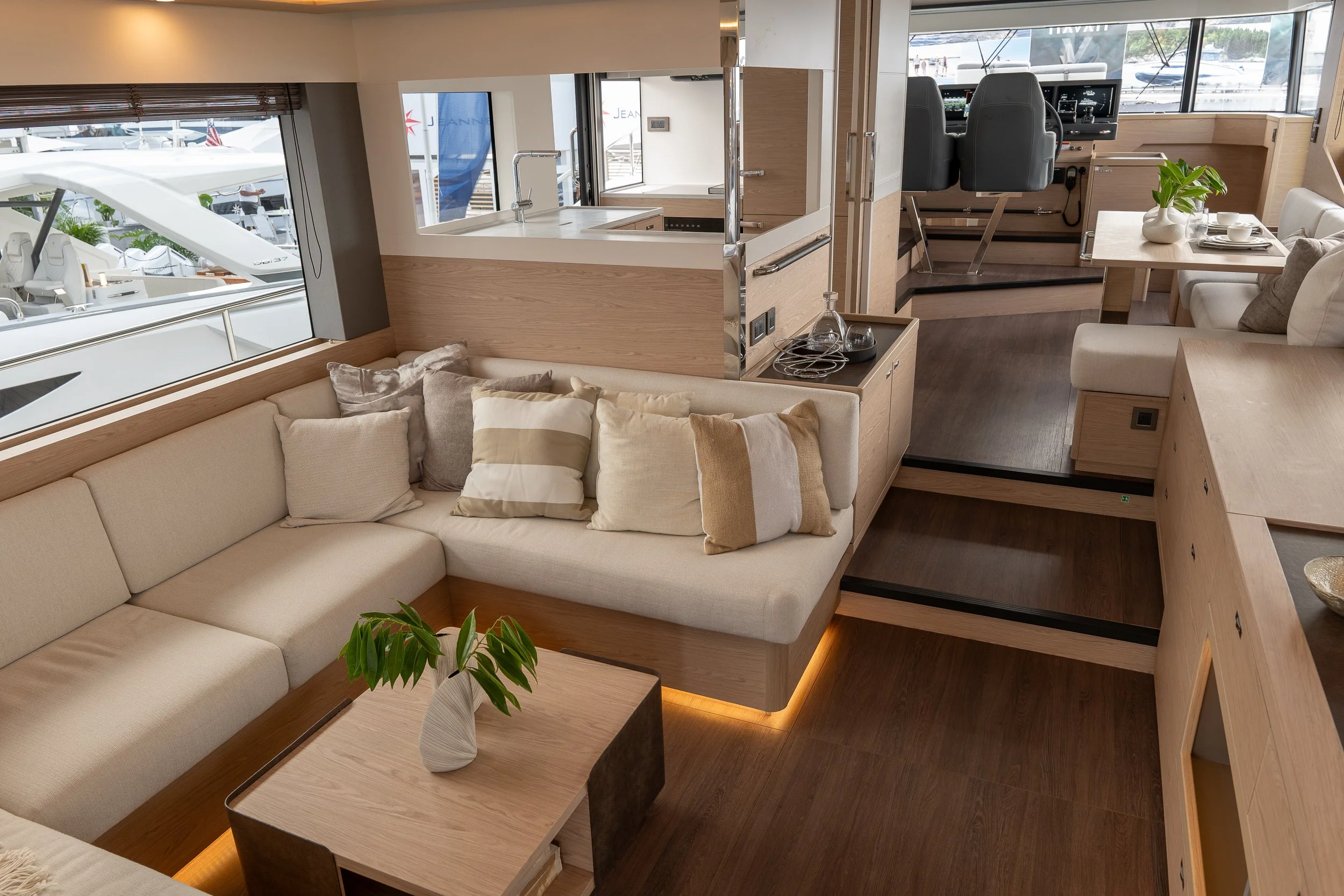
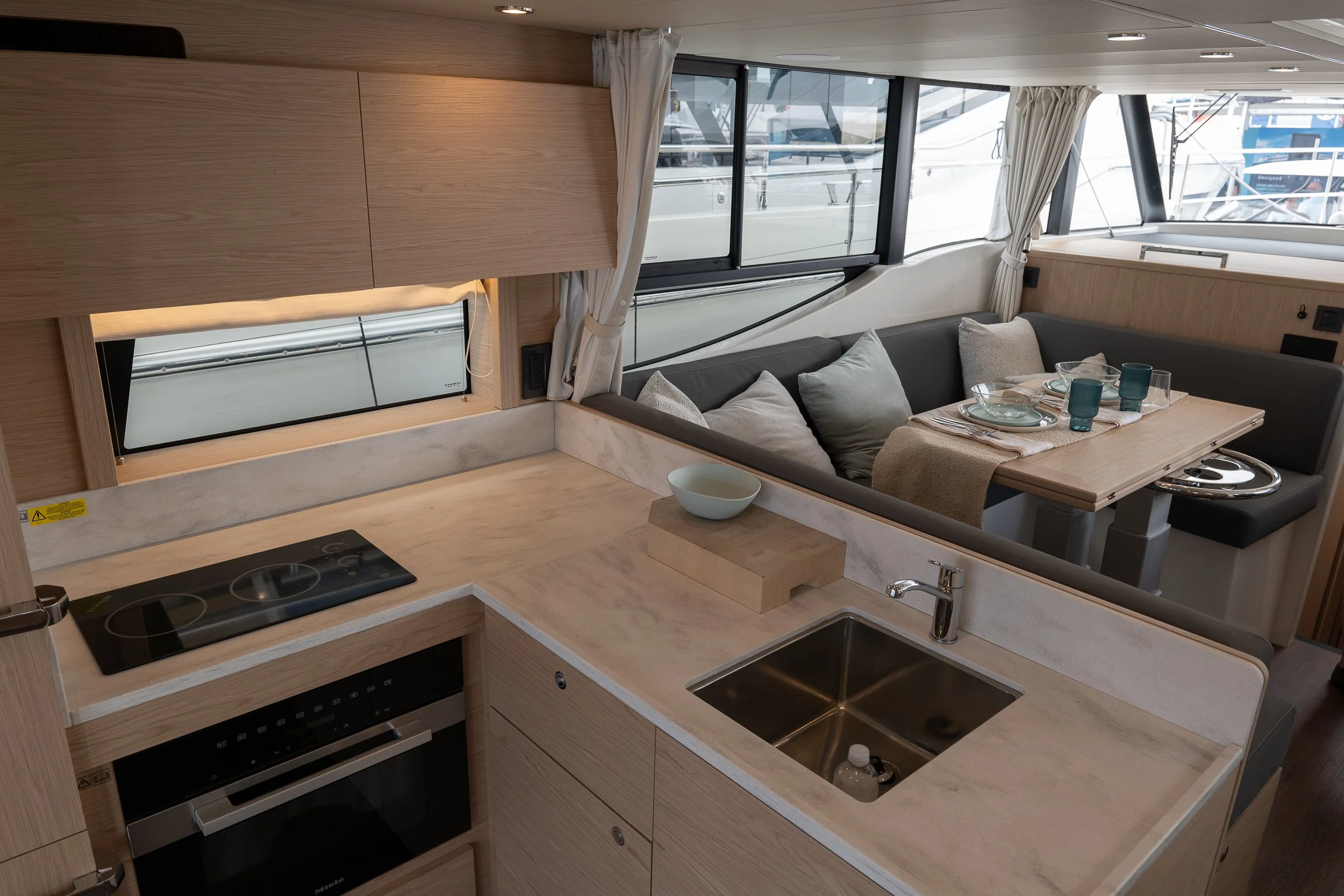
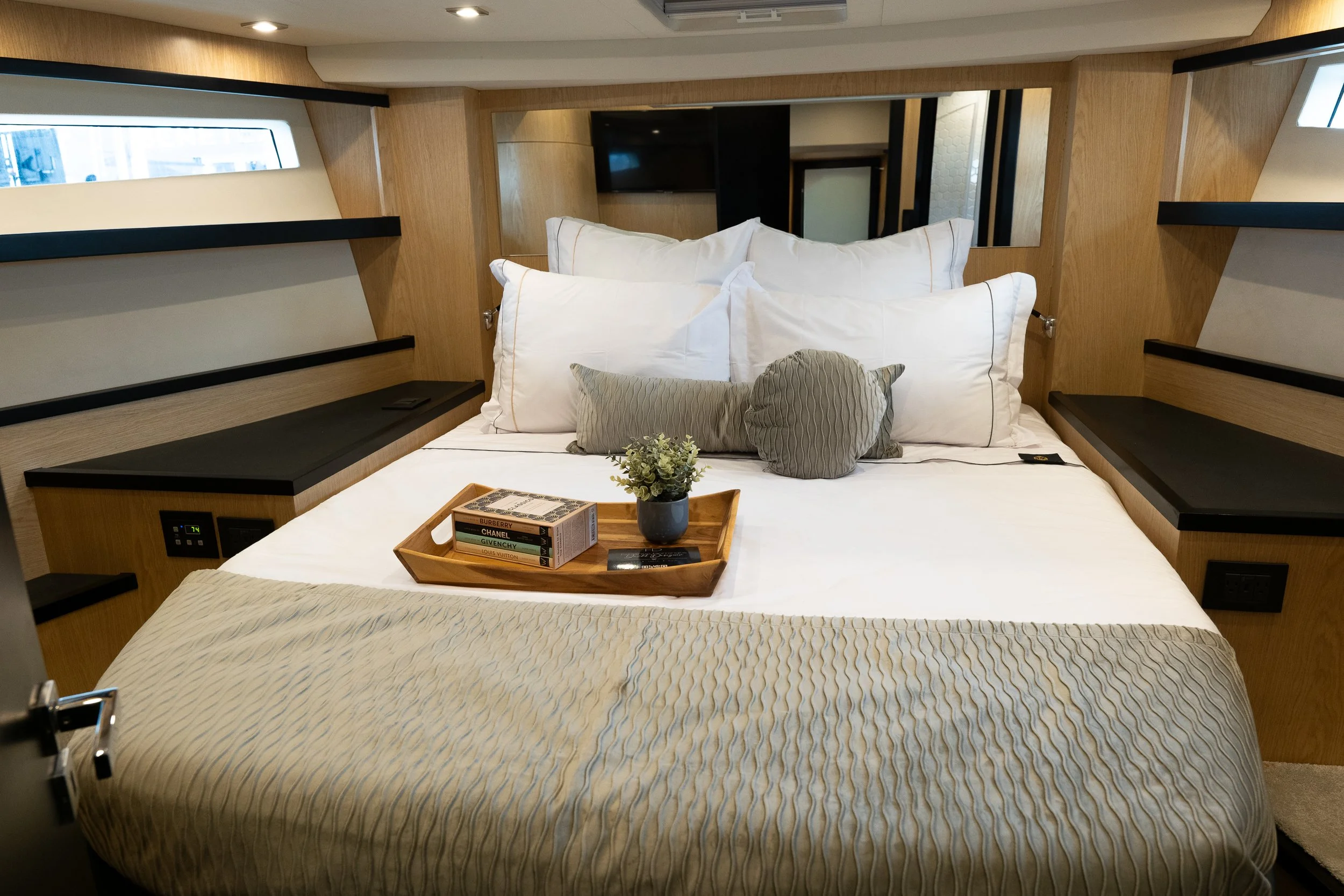
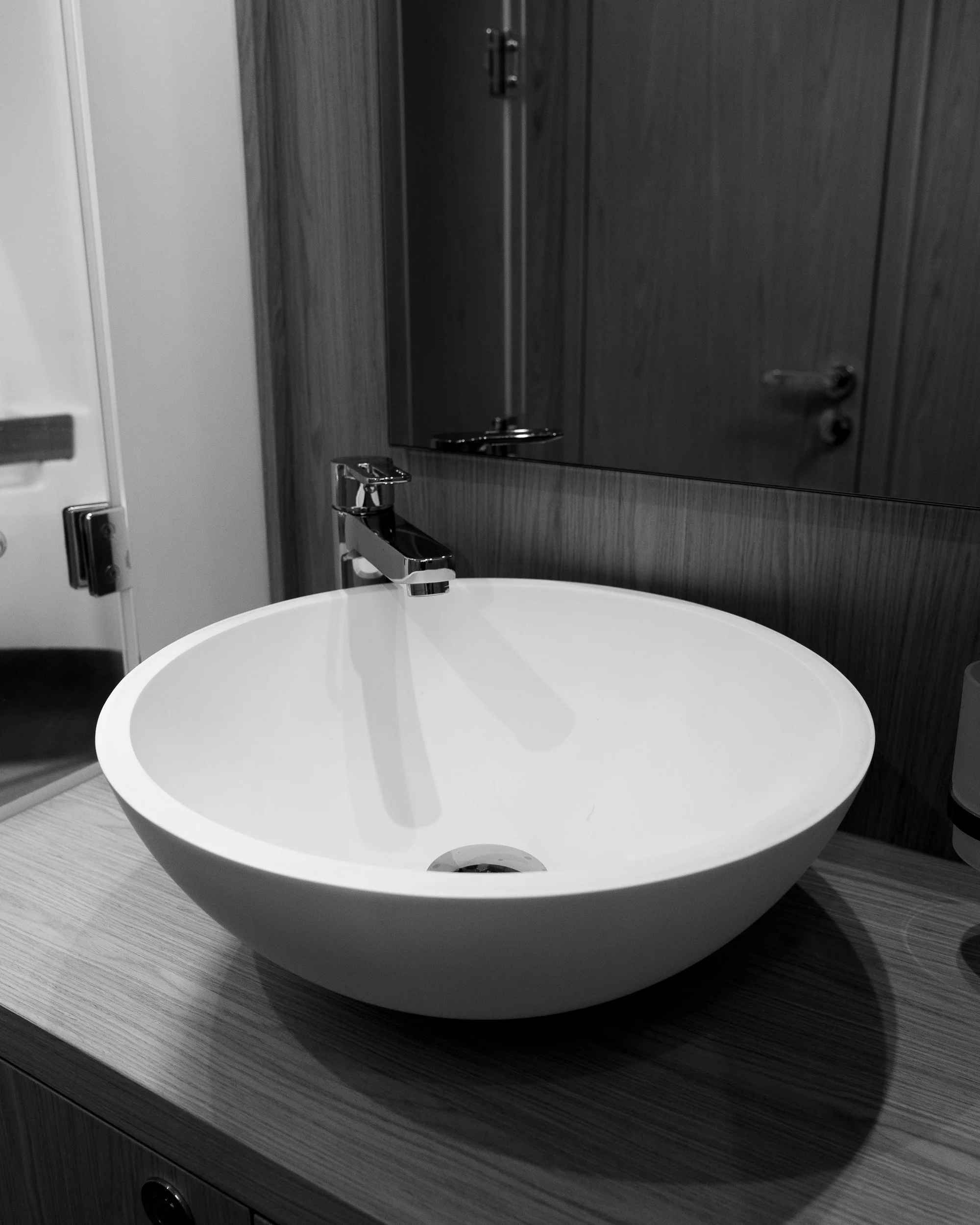
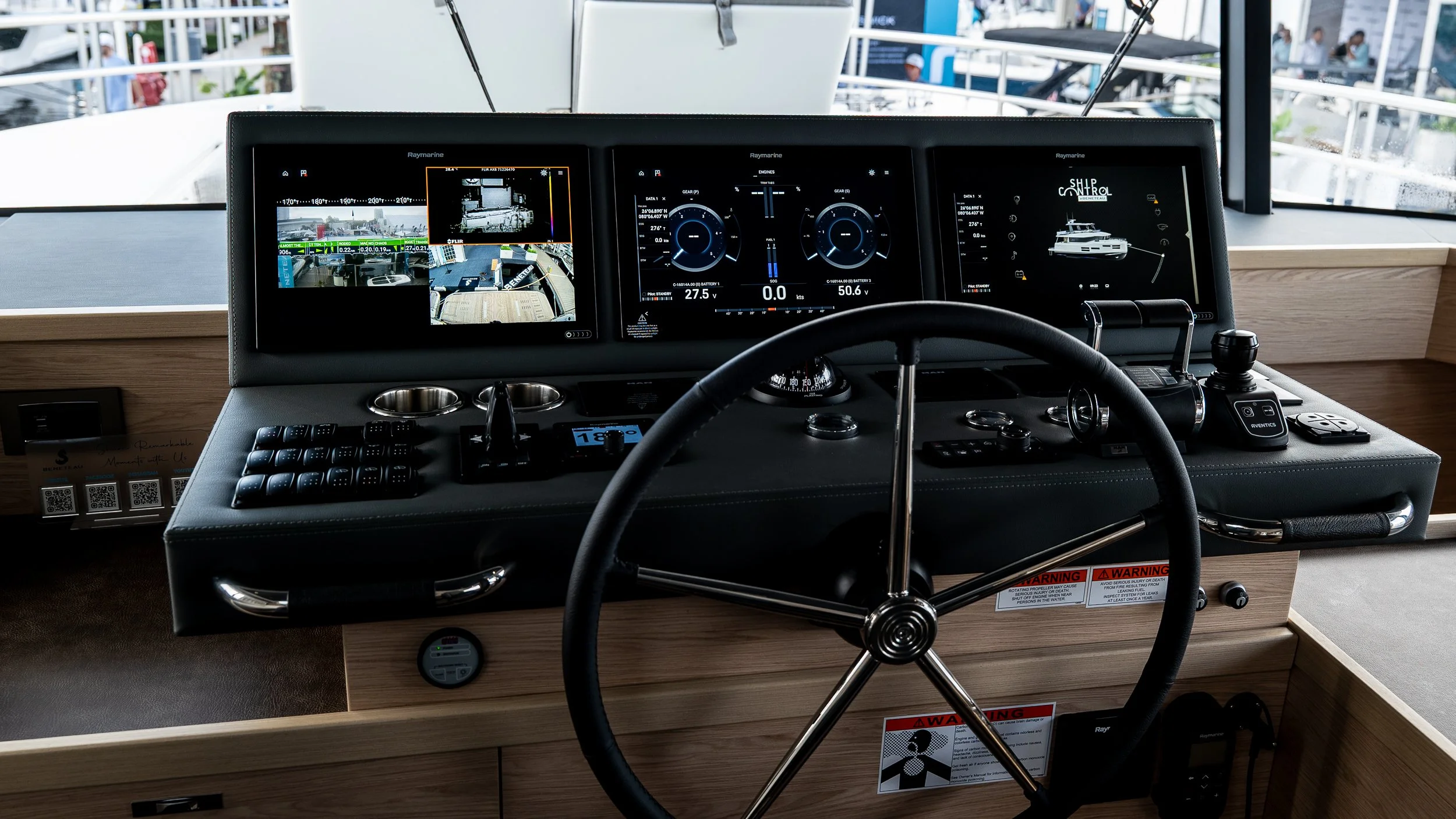
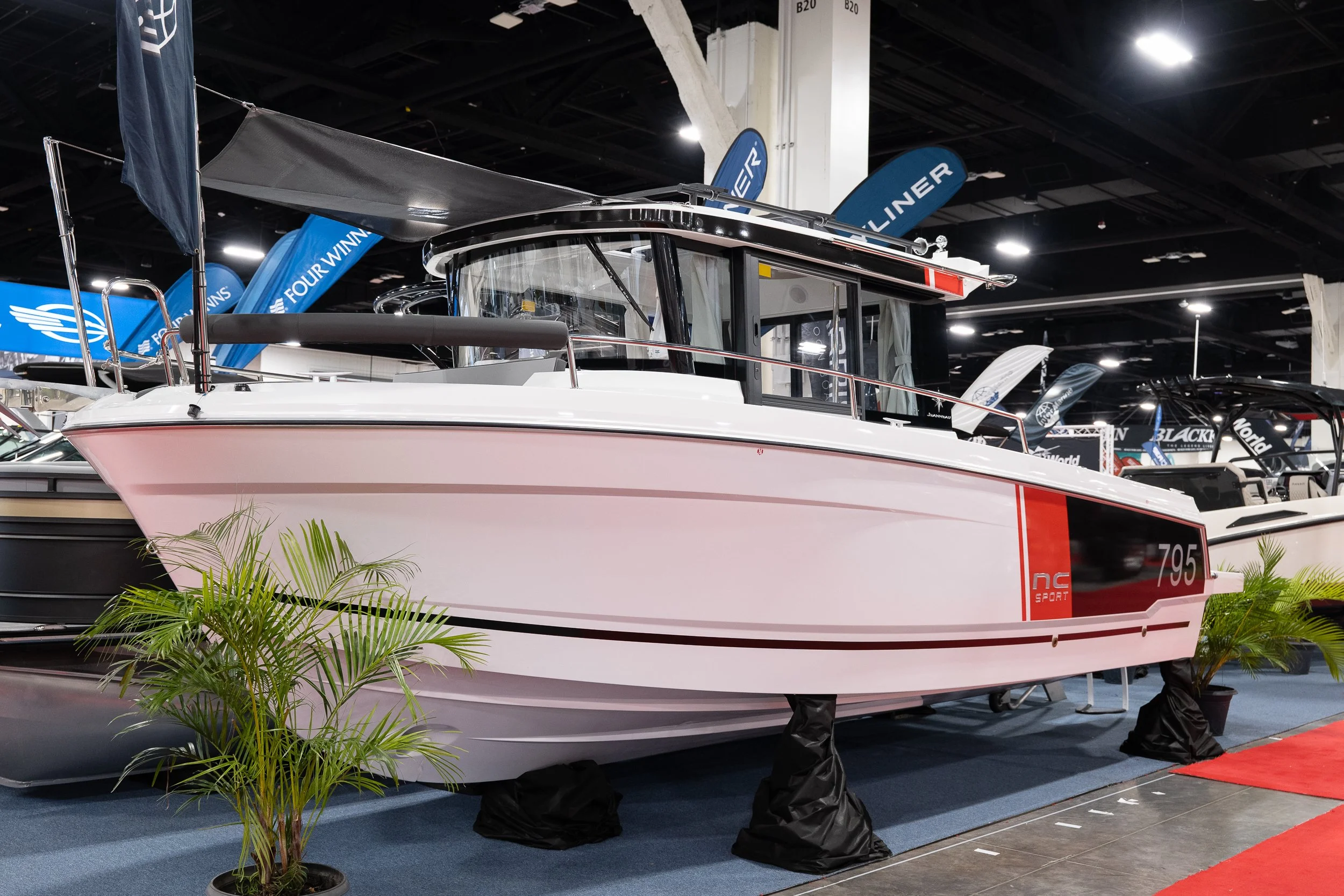
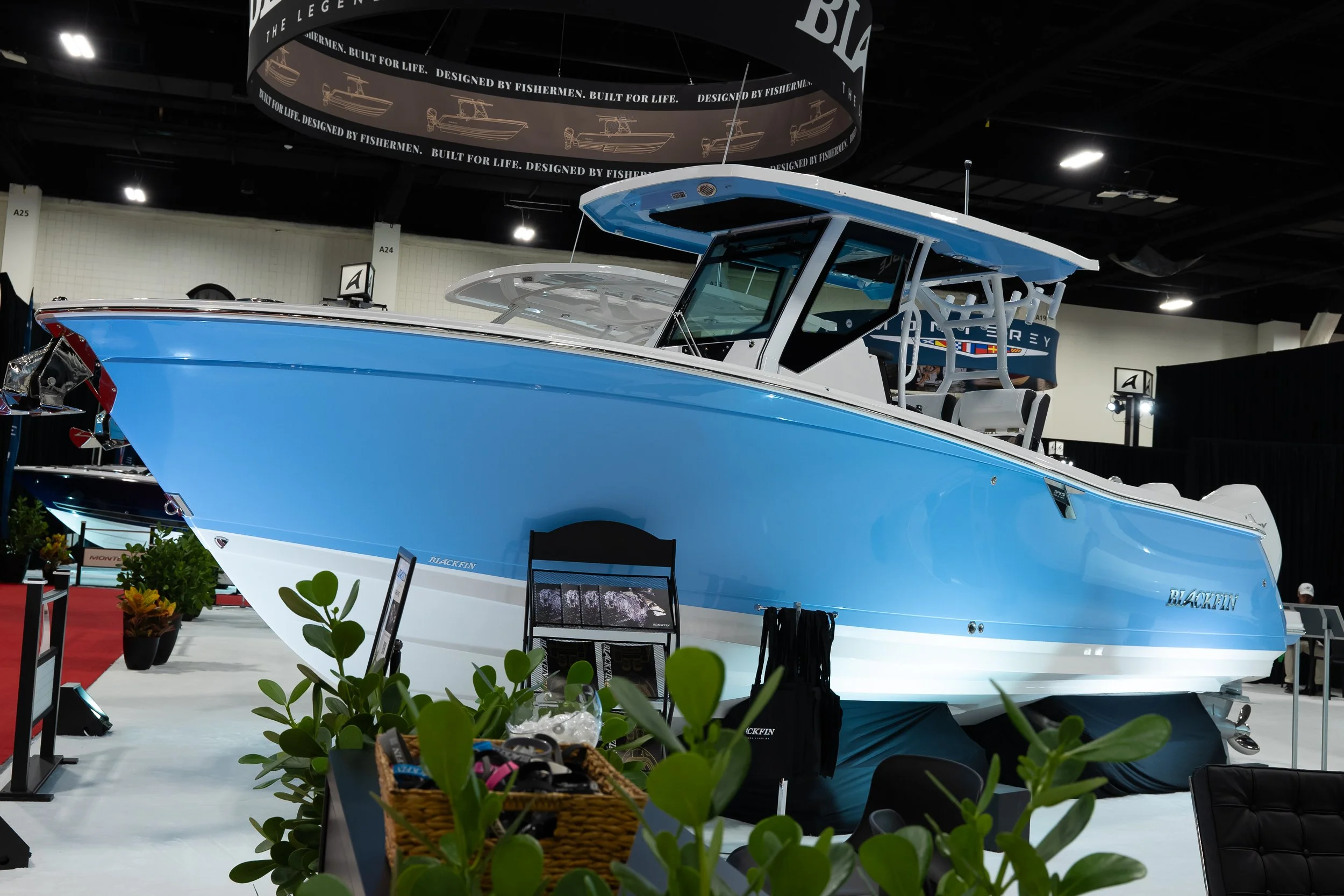
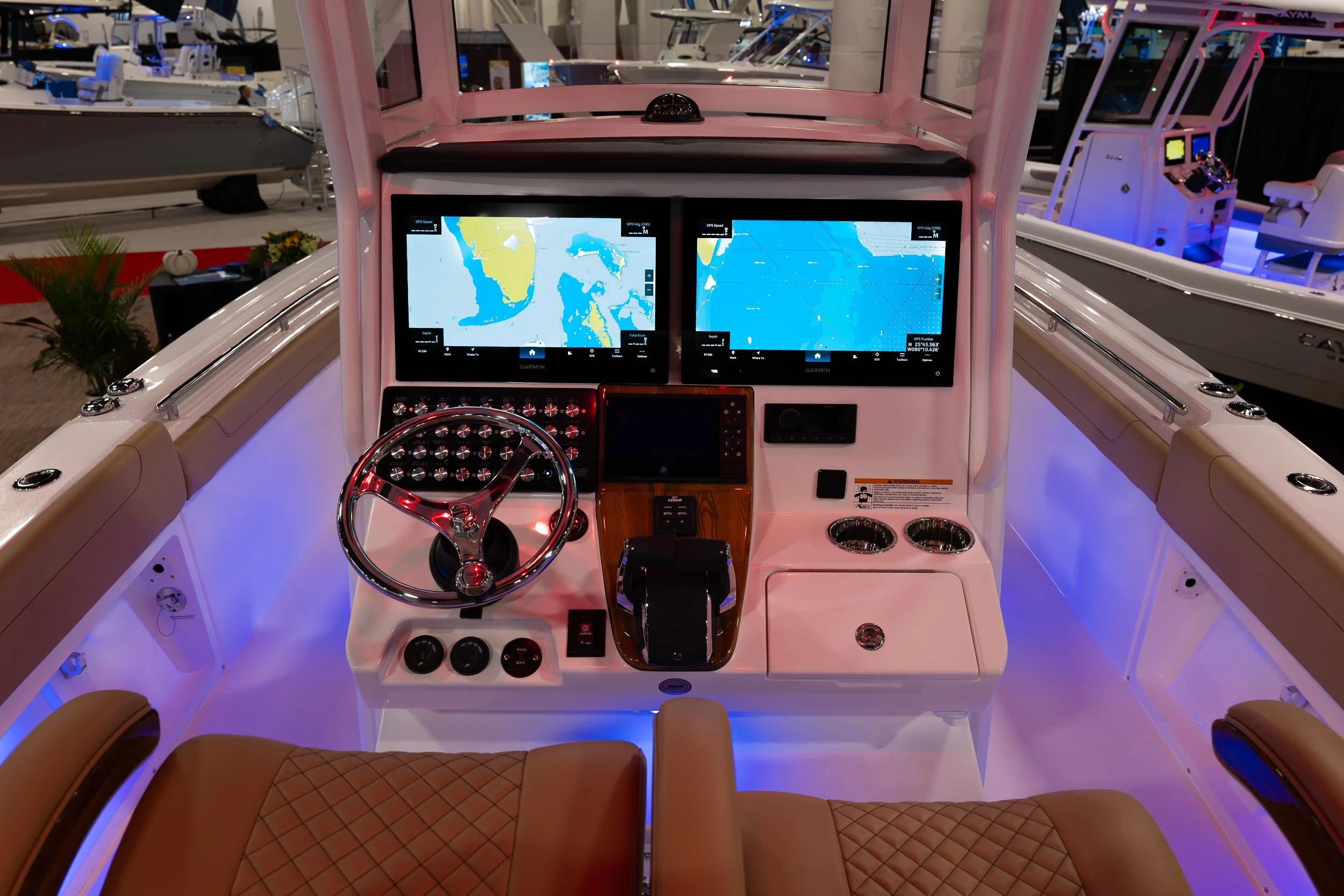
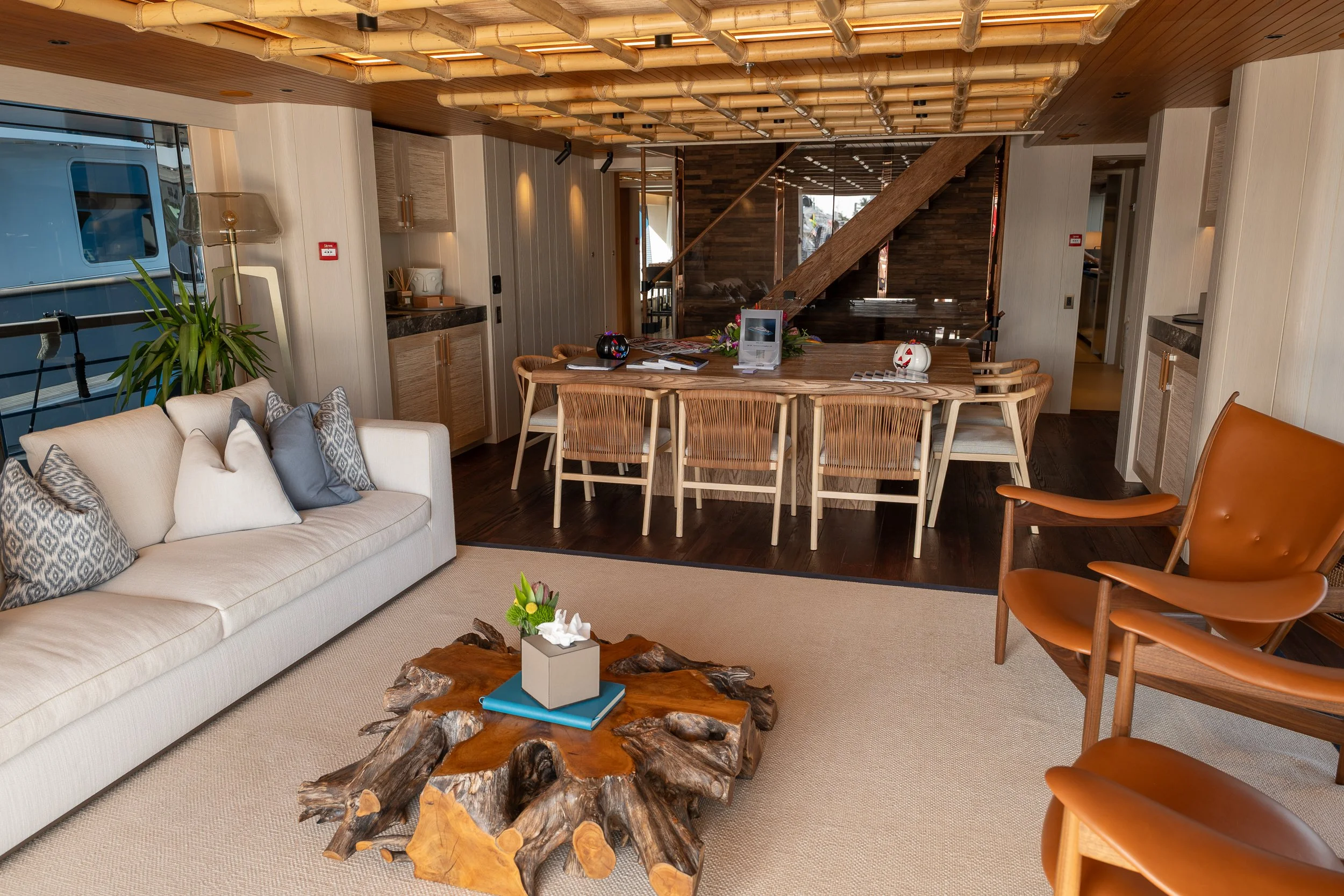
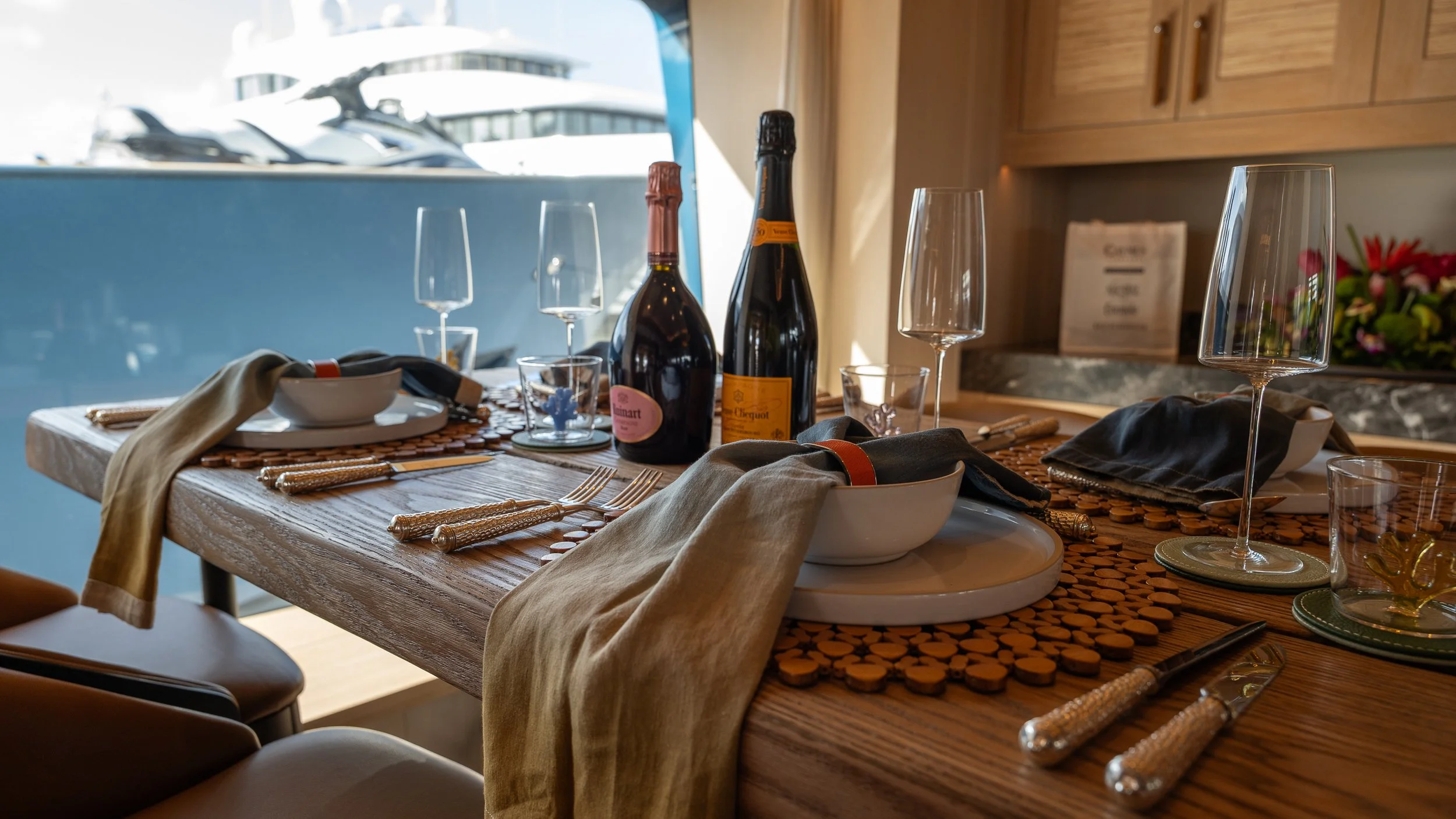
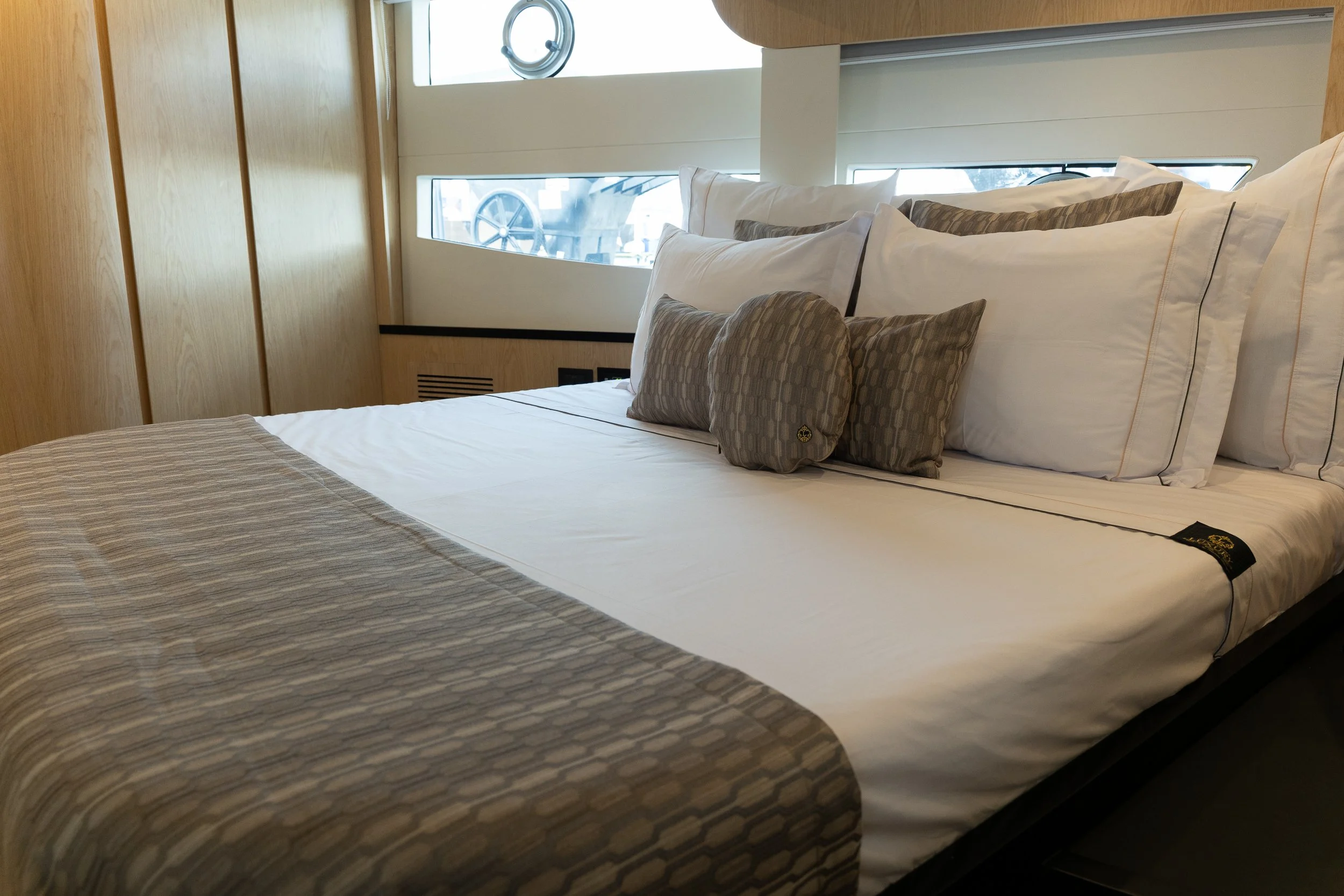
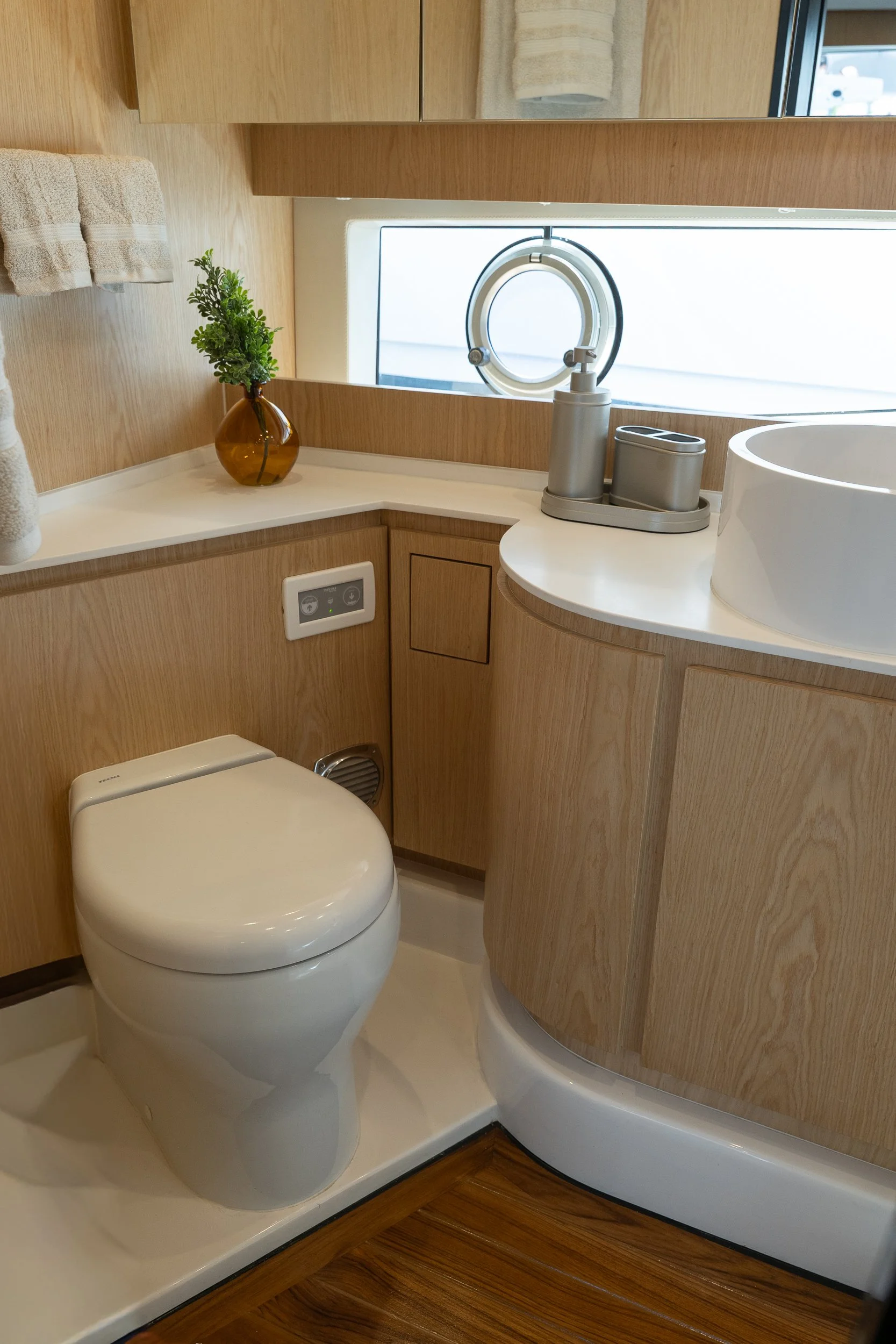
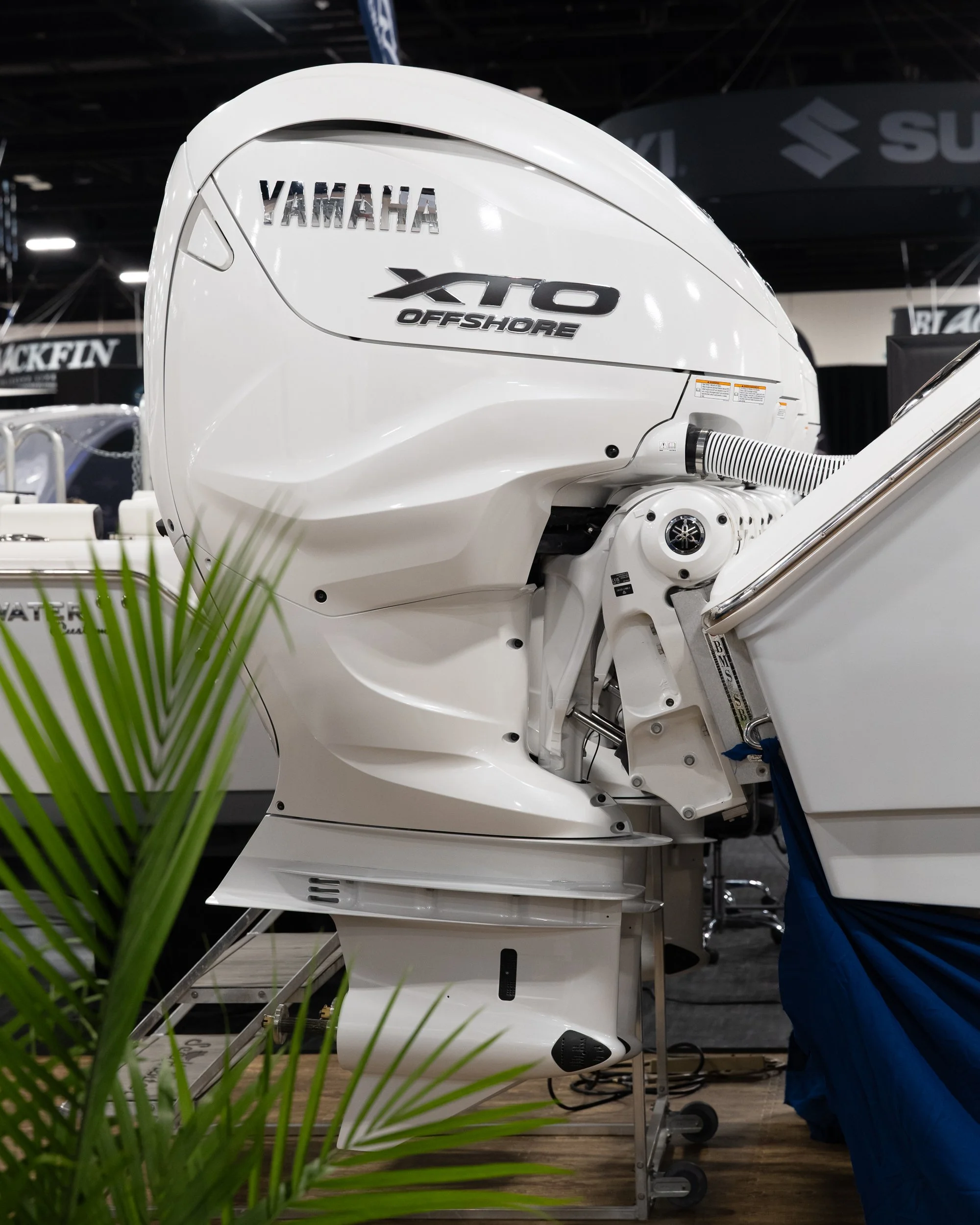
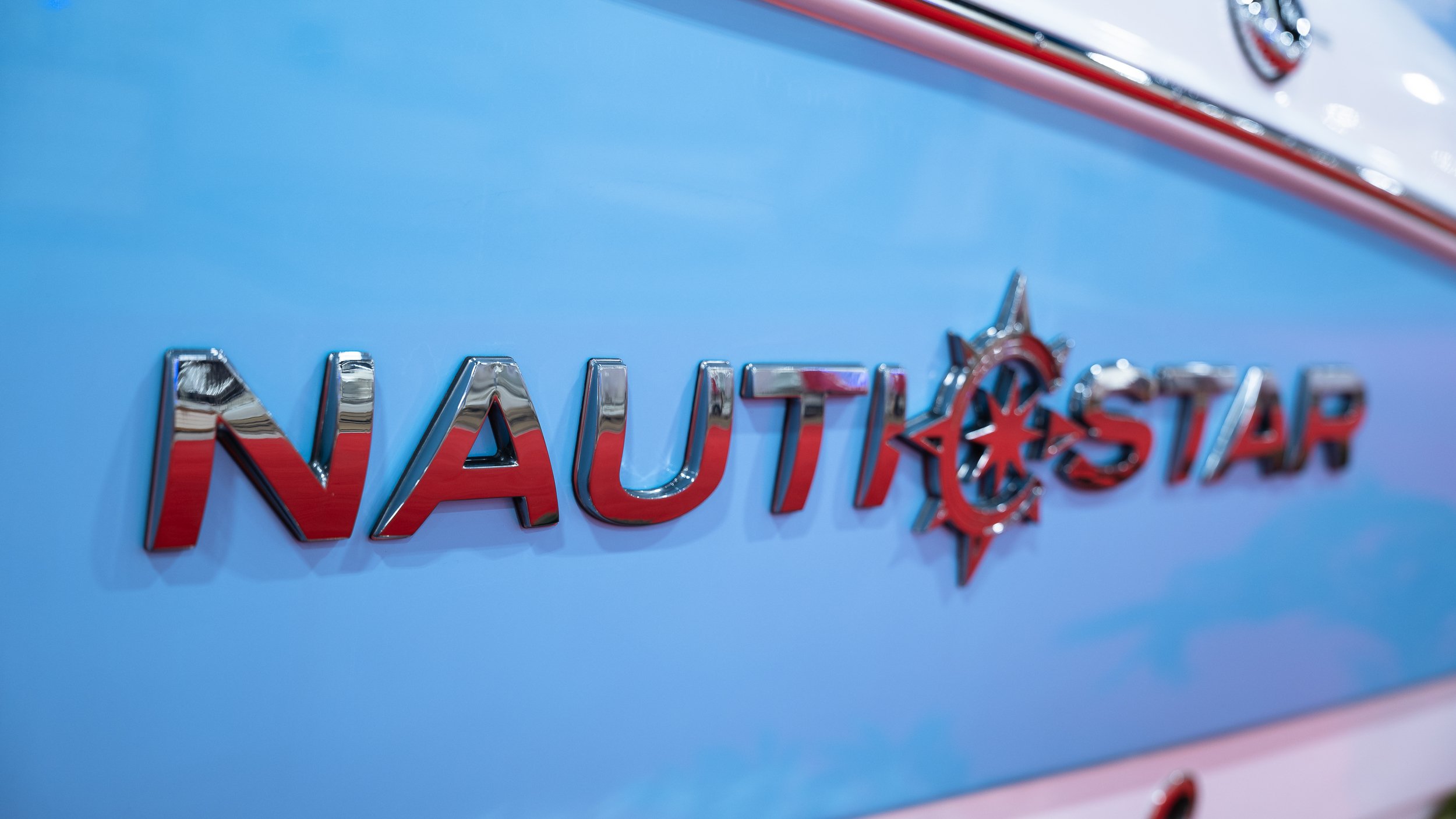
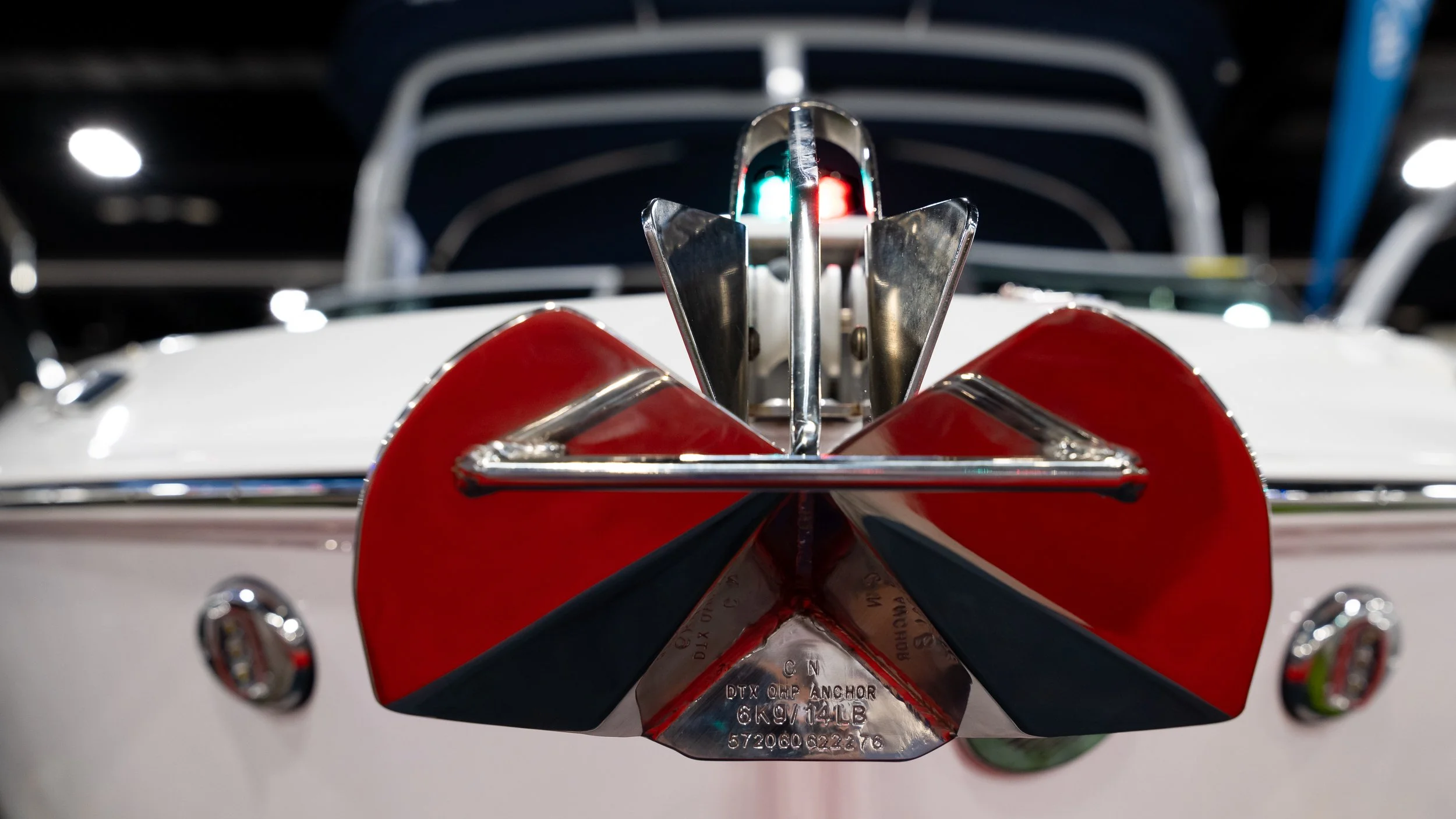
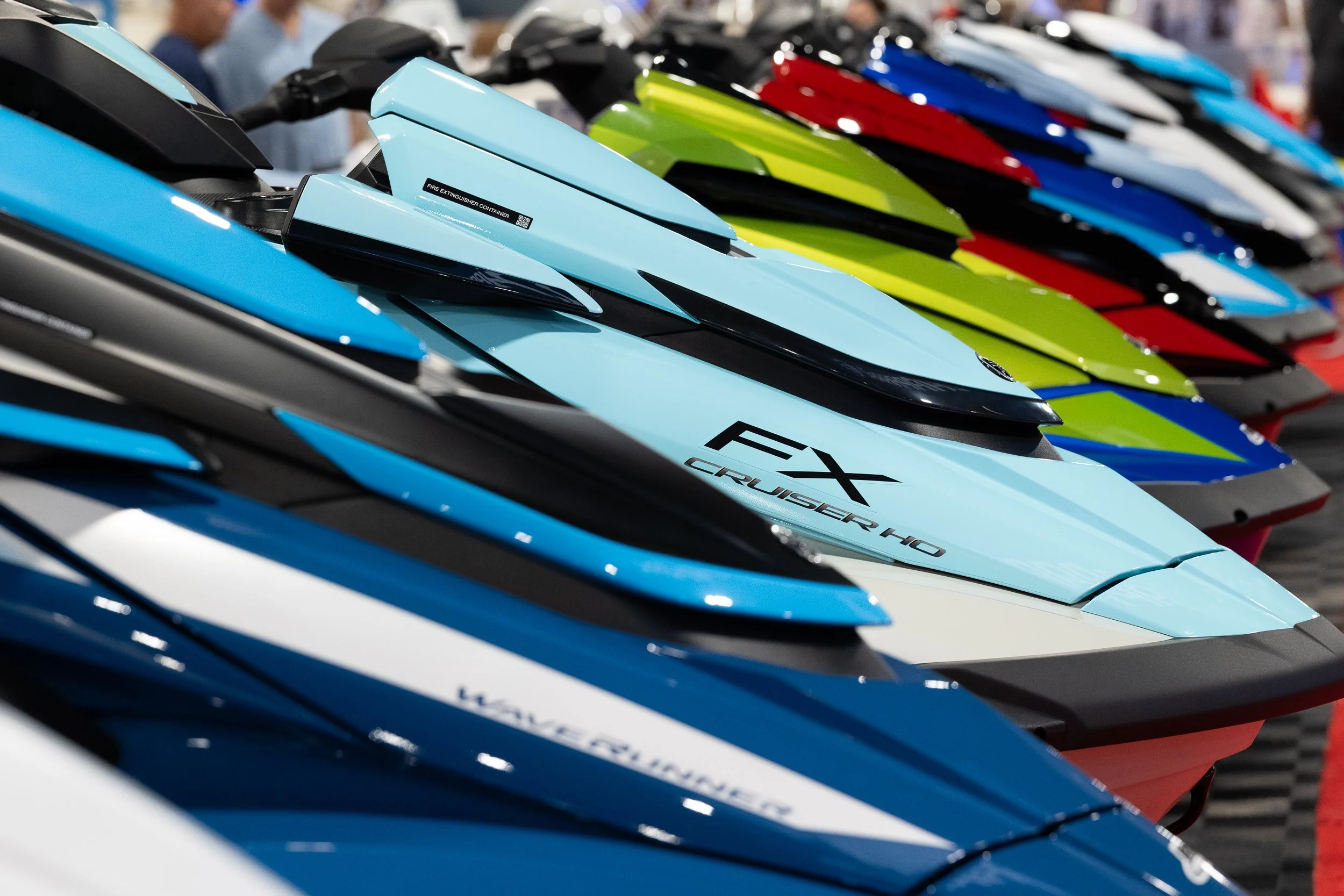
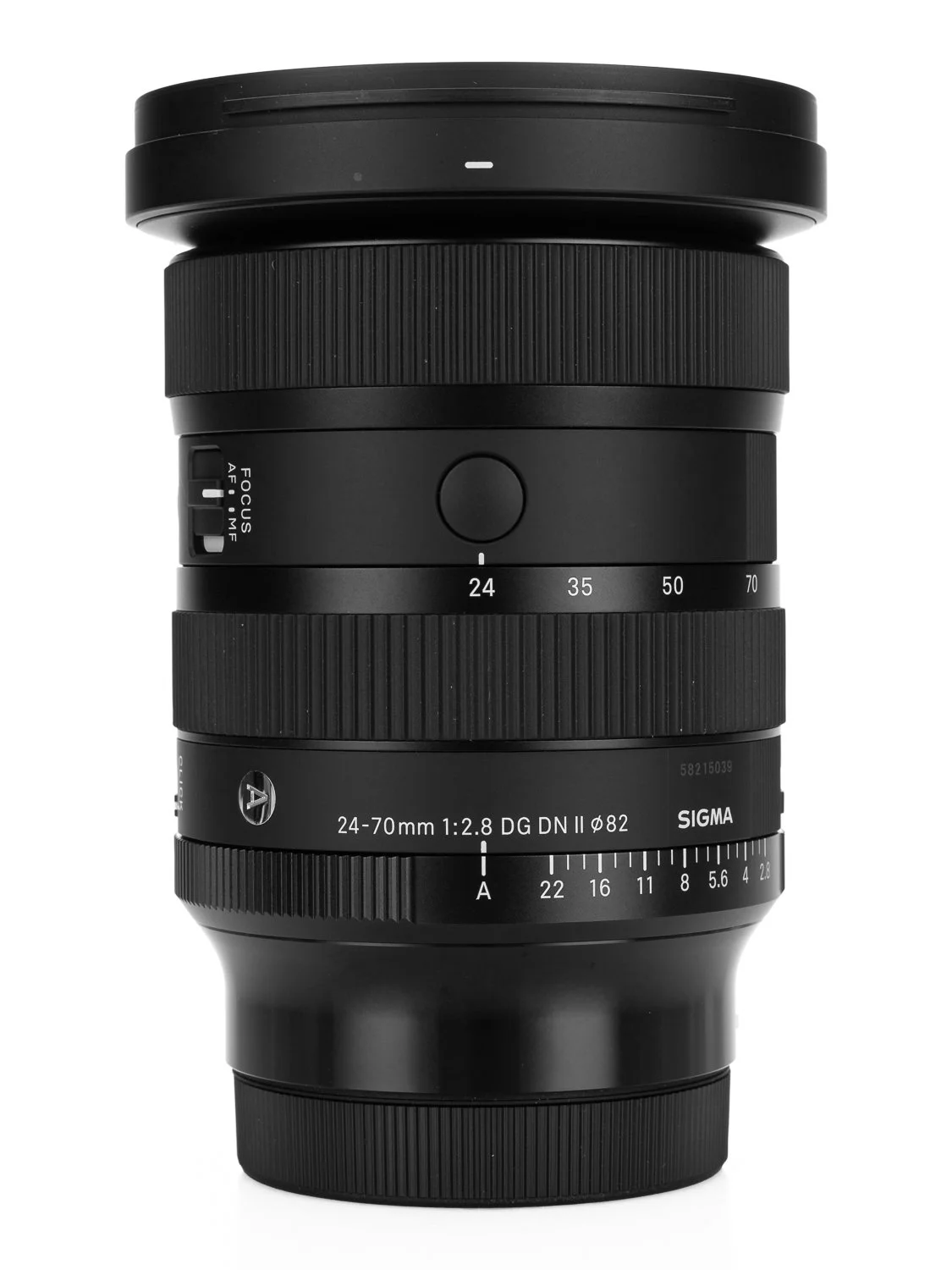
Sigma Art 24-70 mm F/2.8 DG DN II
Sigma Art 24-70mm f/2.8 DG DN II
I am not a tech reviewer. As I mentioned earlier, I’m just sharing my thoughts on using the lens in real-world scenarios. I have edited the above images very little. I start by checking the balance, add a slight S-curve for contrast, pull the shadows up in some areas if needed, crop if needed, and correct for vignetting. Vignetting is a slightly darker area near the image corners. It’s present when the lens is used at the 24mm position, but starts to diminish when zoomed towards the 70mm position. This vignetting can also be easily corrected in Lightroom. Here are the key features of the lens for those who appreciate technical specifications.
Lens build: 19 elements in 15 groups (6 FLD, 2 SLD, 5 aspherical elements)
Elements: multi-layer coated, preventing ghosting, flare, and water/oil repellent
Diaphragm: 11 aperture blades (rounded diaphragm)
Focusing distance 6.7 (W) - 13.4 (T) in.
HLA linear AF motor
Filter size: 82 mm
Click, de-click switch
Dust and splash-resistant
Weight: 745 g
These two images show the range of the lens 24mm to 70mm. Click image to enlarge.
FLIBS Again
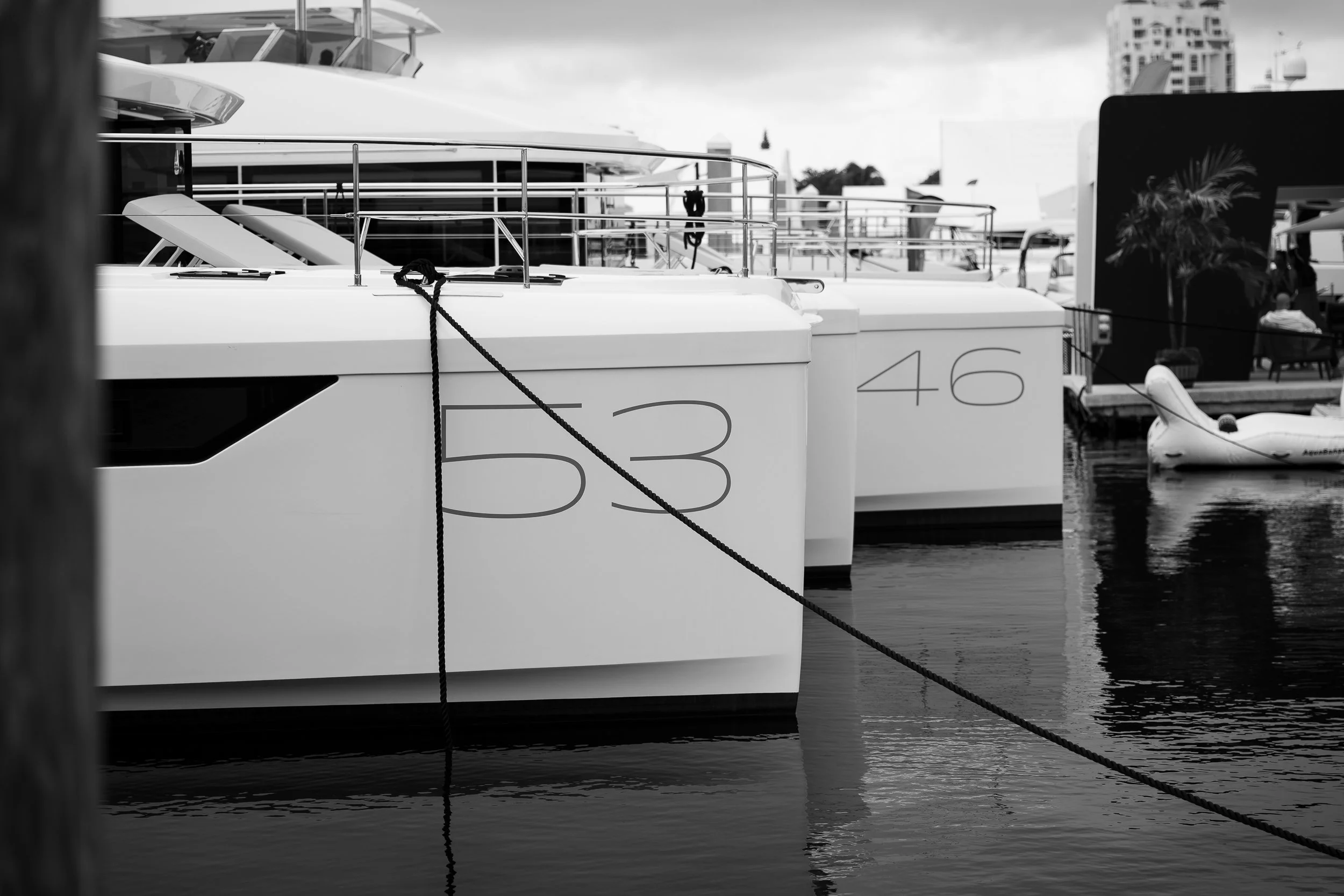
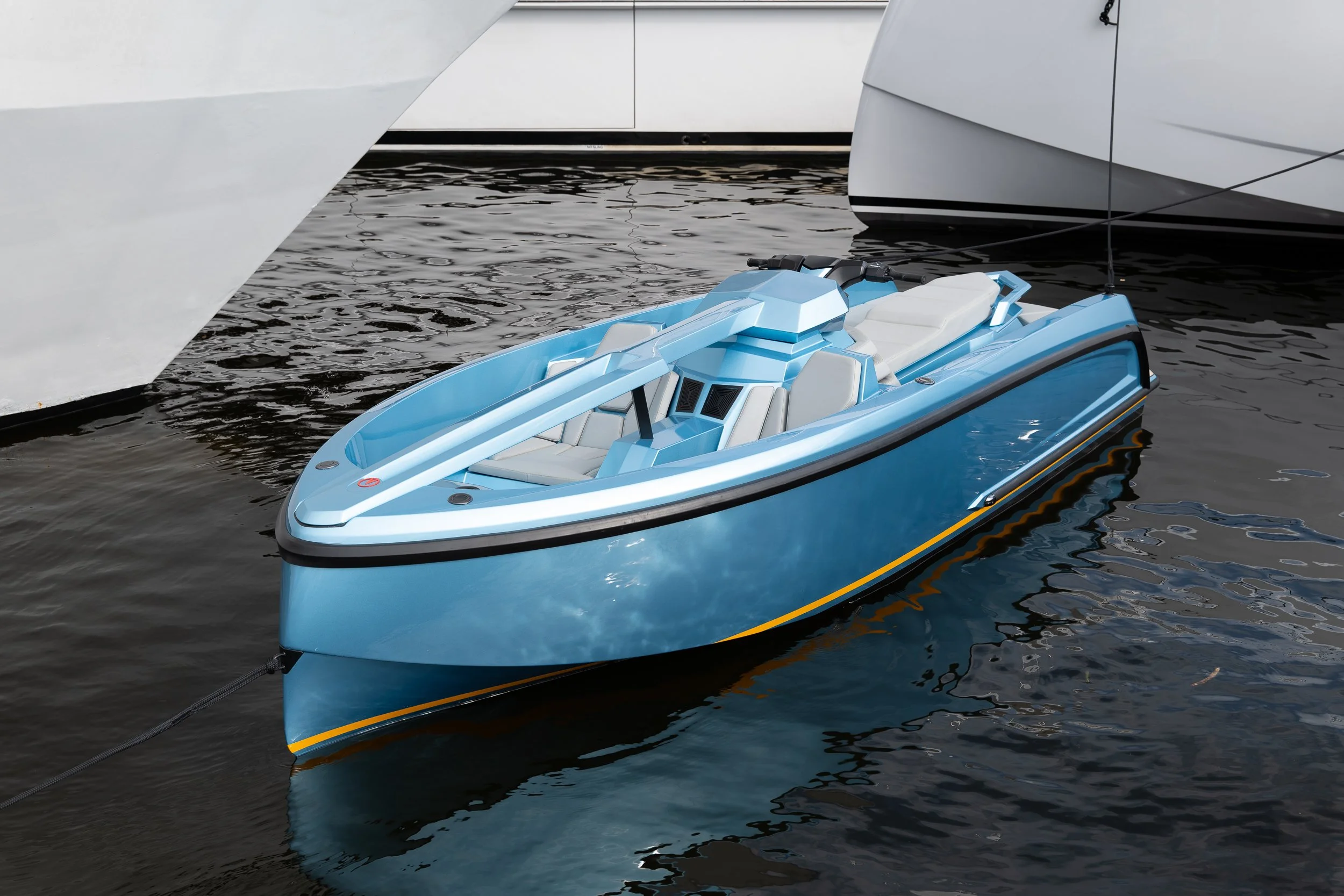
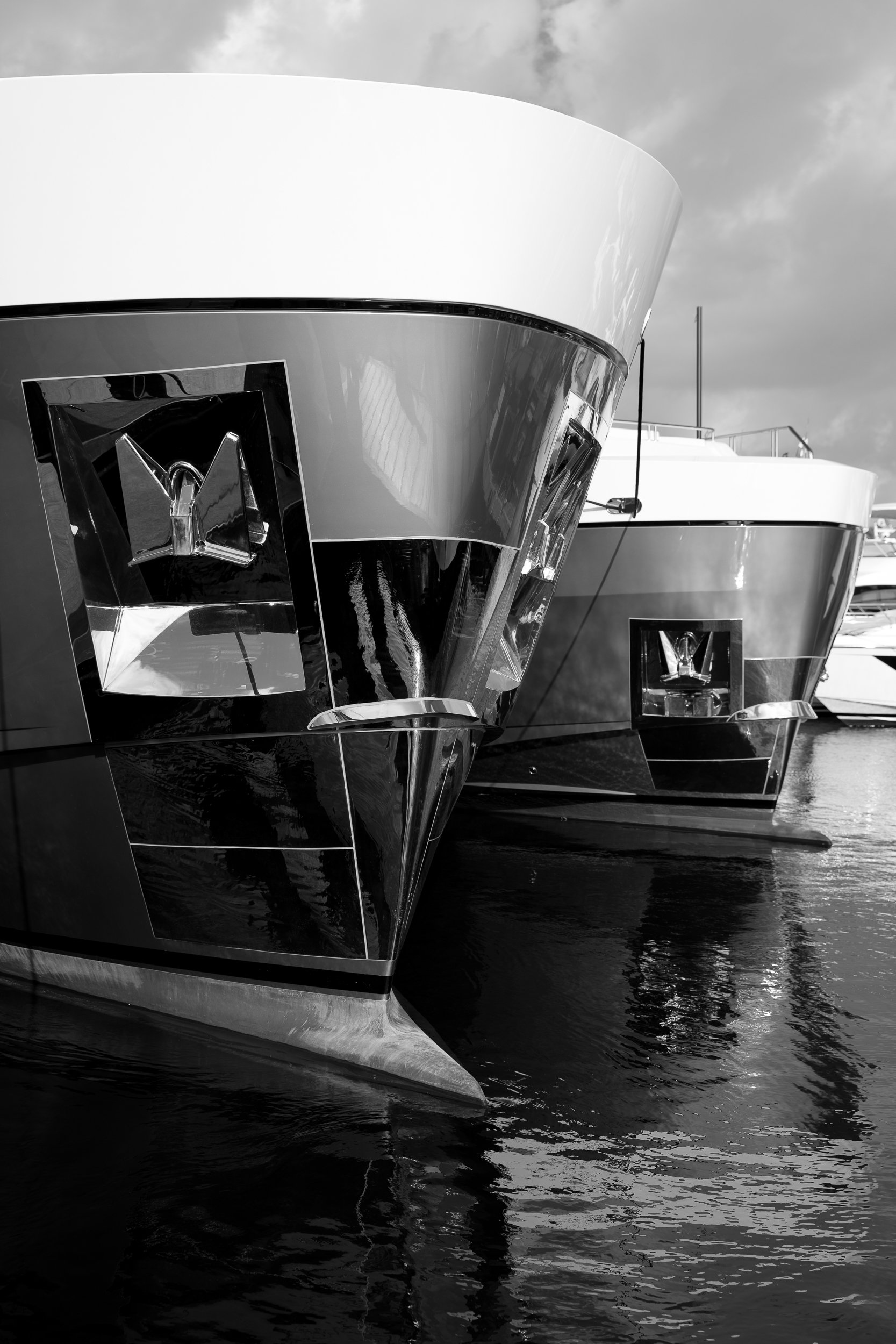
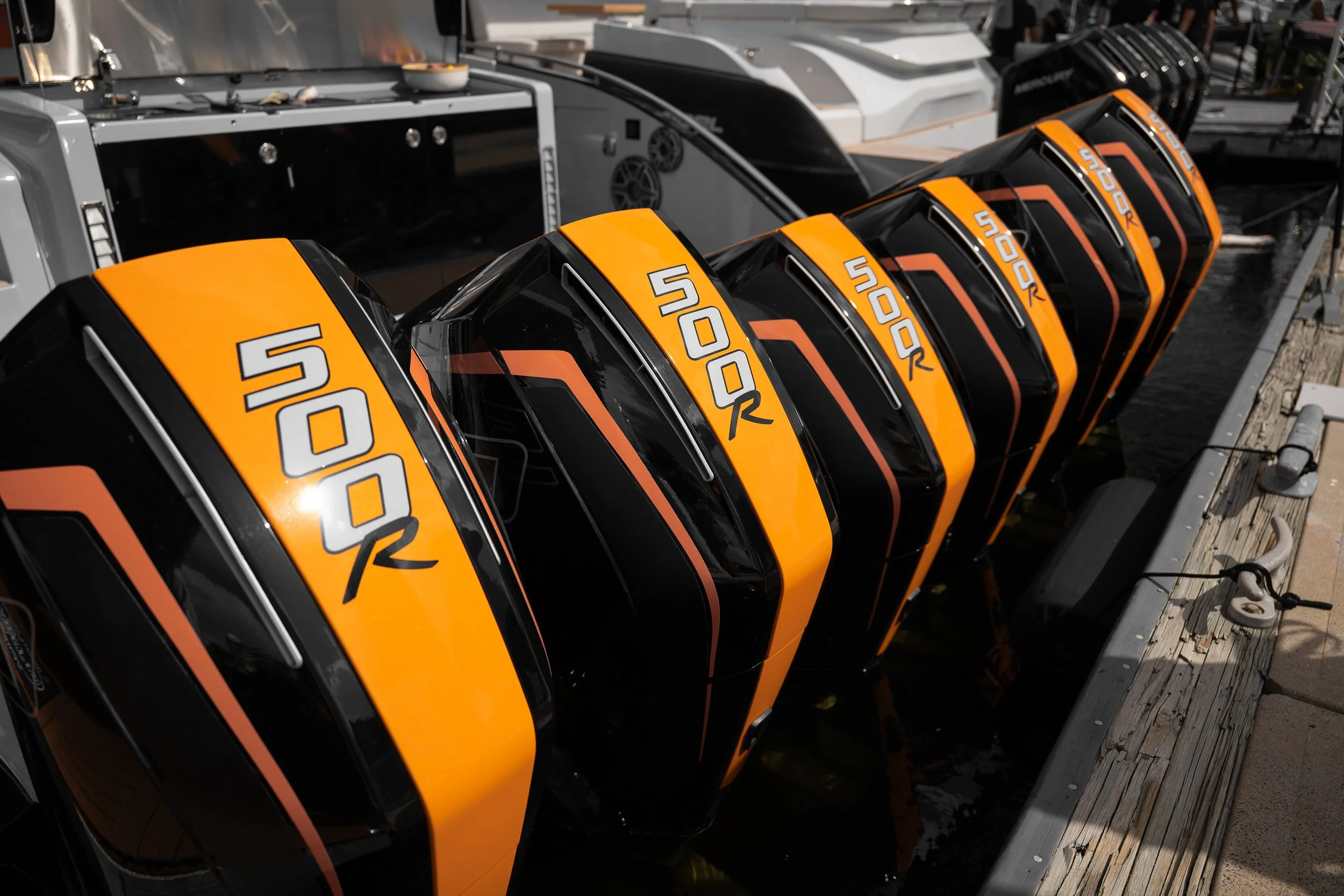
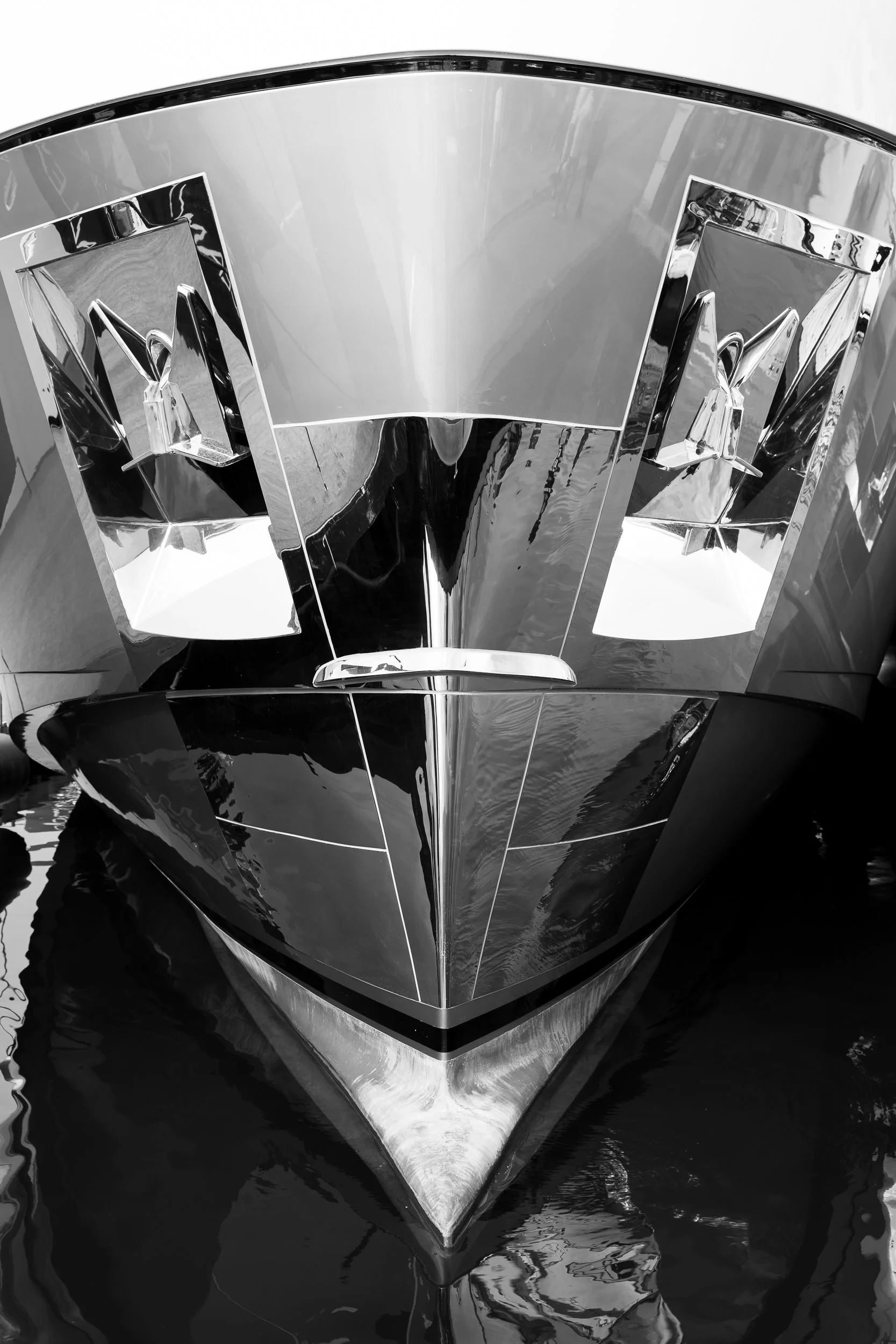
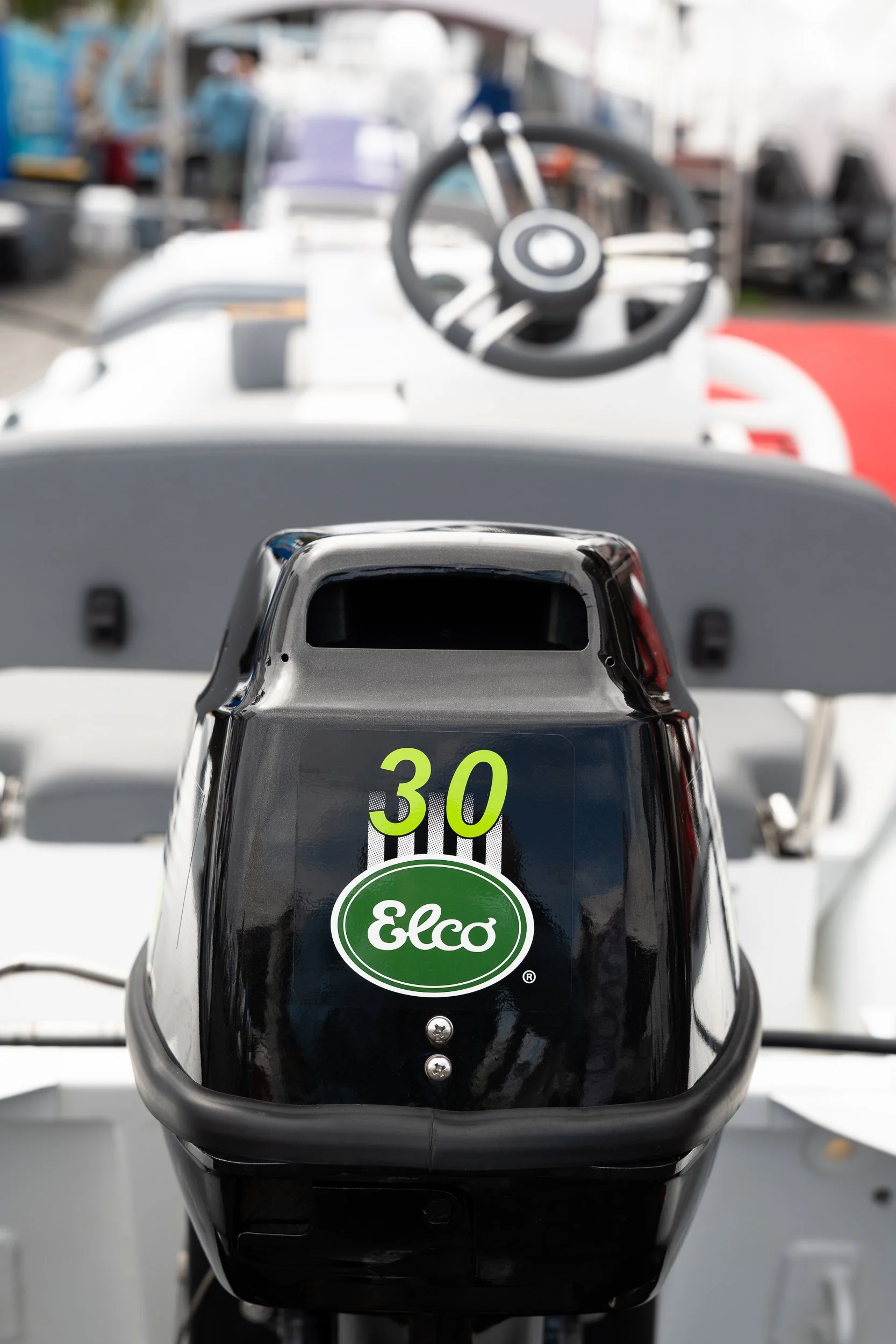
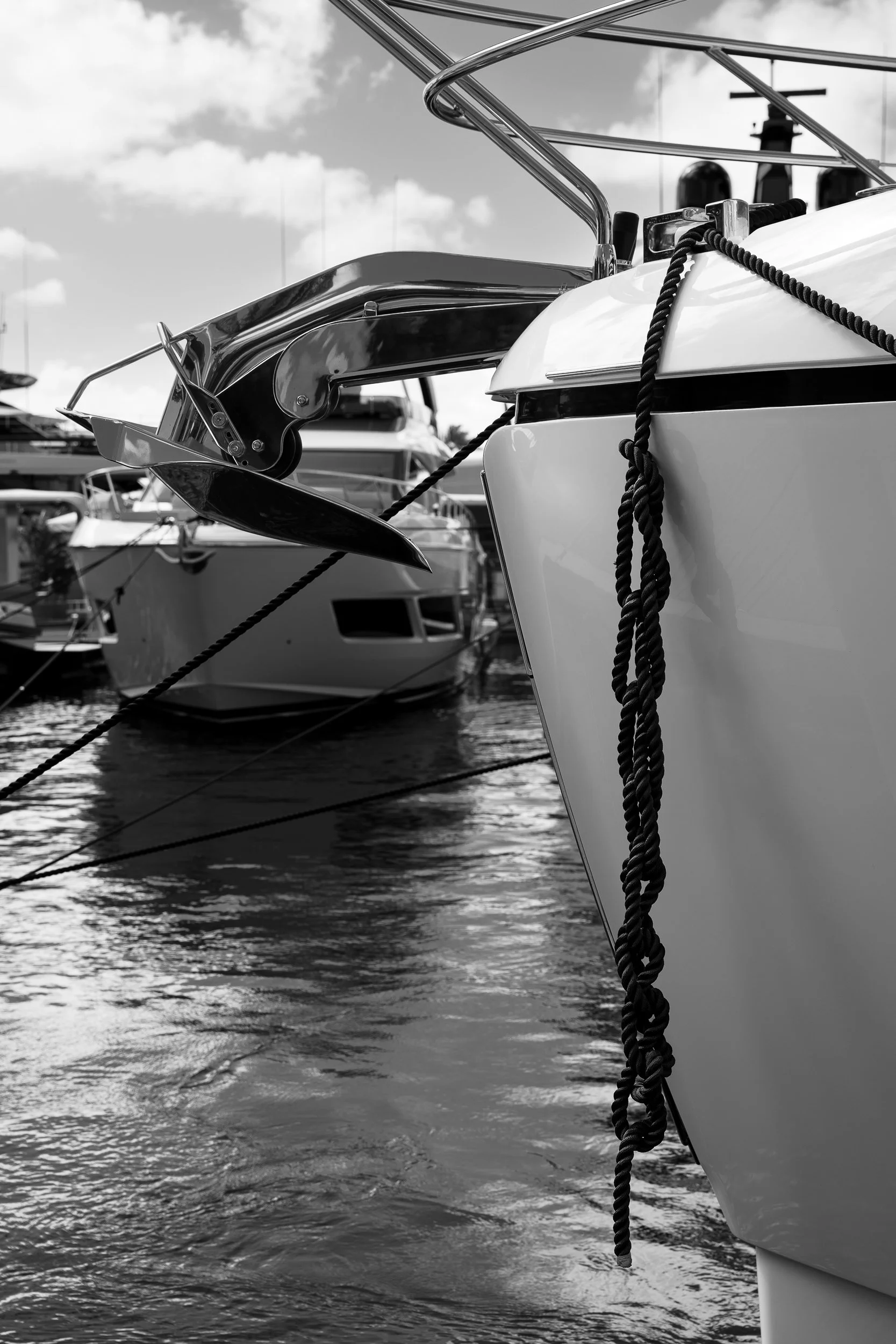
Below are some more examples from the boat show. These were all shot outside under bright sunlight or deep cloud coverage. It did rain, which made a very cool photo of a cruise ship. Speaking of rain, this lens is also dust and splash-resistant, with a multi-layered coating on the front element for water-repellency. I had no worries about some moisture hitting the lens. I used to photograph with the Canon system, and their Canon EOS lenses do not have aperture rings. The Sigma lens has an aperture ring with nice, audible clicks indicating the aperture range. You can de-click the lens if you are into shooting video for a silent aperture setting. When I have the camera set to Aperture Priority, I will use the lens aperture ring. Using the aperture ring enables me to choose the appropriate aperture setting for the desired depth of field. Taking the water taxi is a great way to maneuver around the boat show. With 7 locations to visit, the water taxi ride is relaxing with some fun Fort Lauderdale facts and humorous banter.
I like to make my images stand out from other photographers'. As you scroll through the photos below, you will notice that I am a fan of black-and-white photography. To me, B&W images lend an artistic feel. With a background in commercial design, I tend to make my photos look like they could be used in a catalogue ad - and some have made it. Click photos to enlarge.
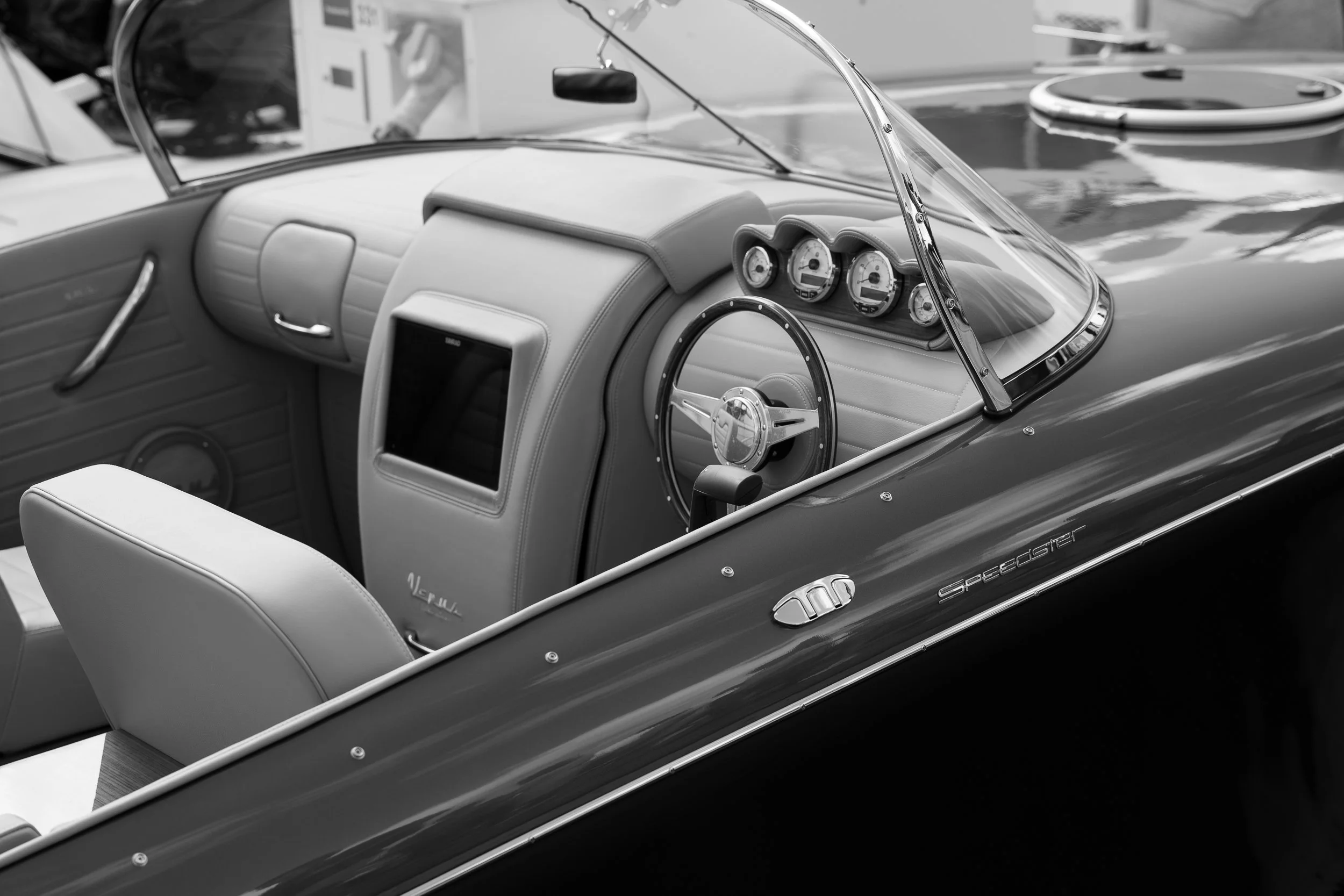
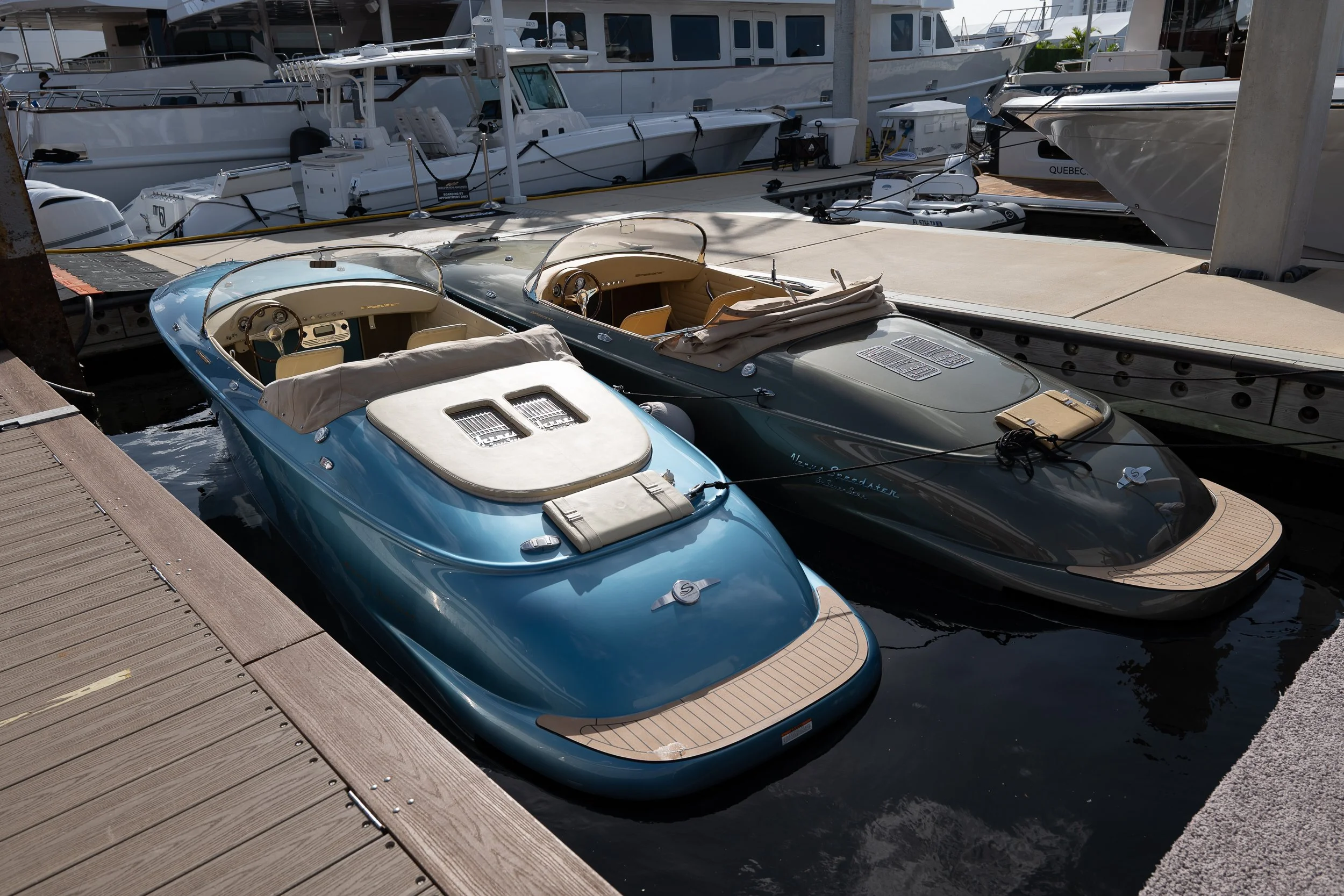
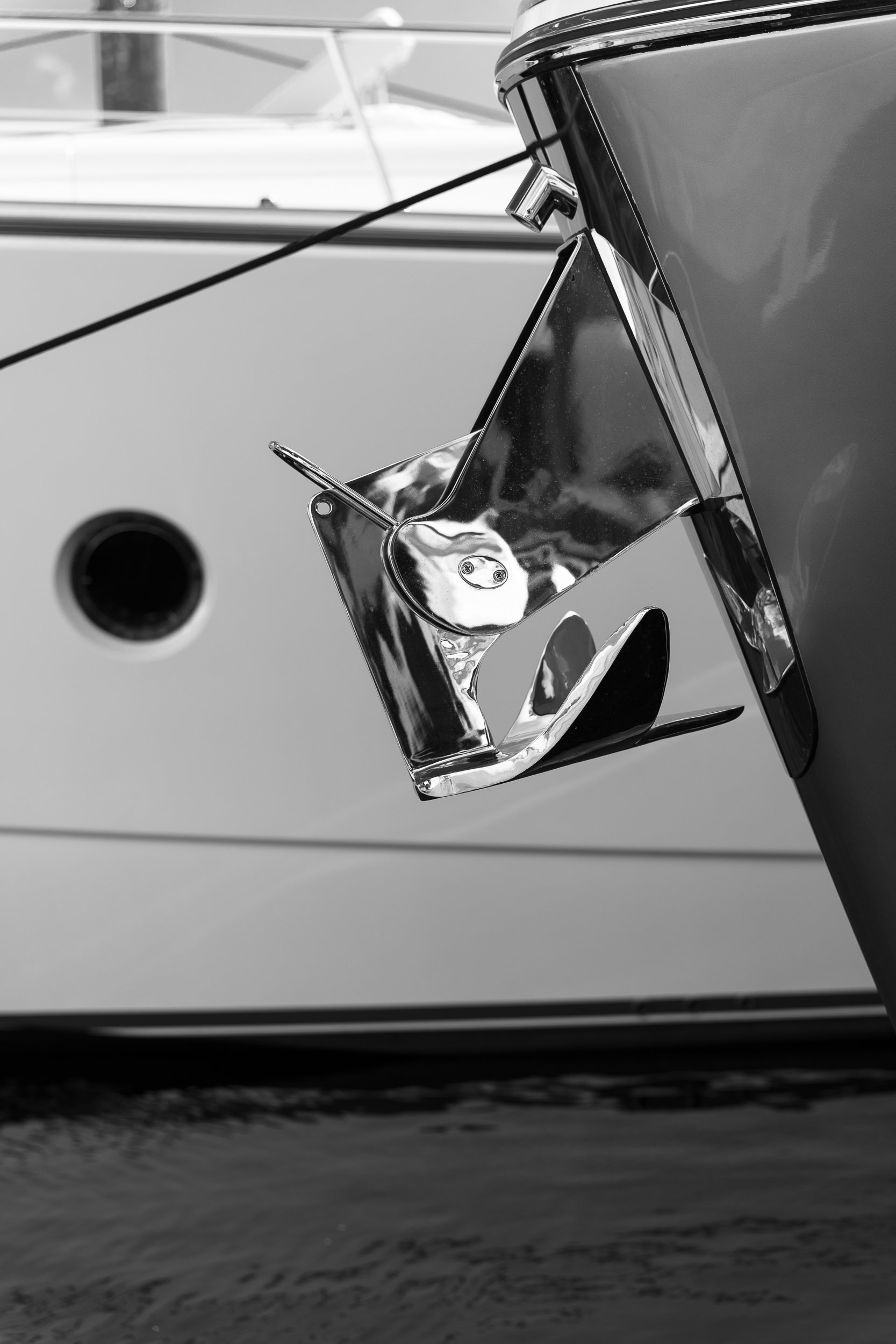
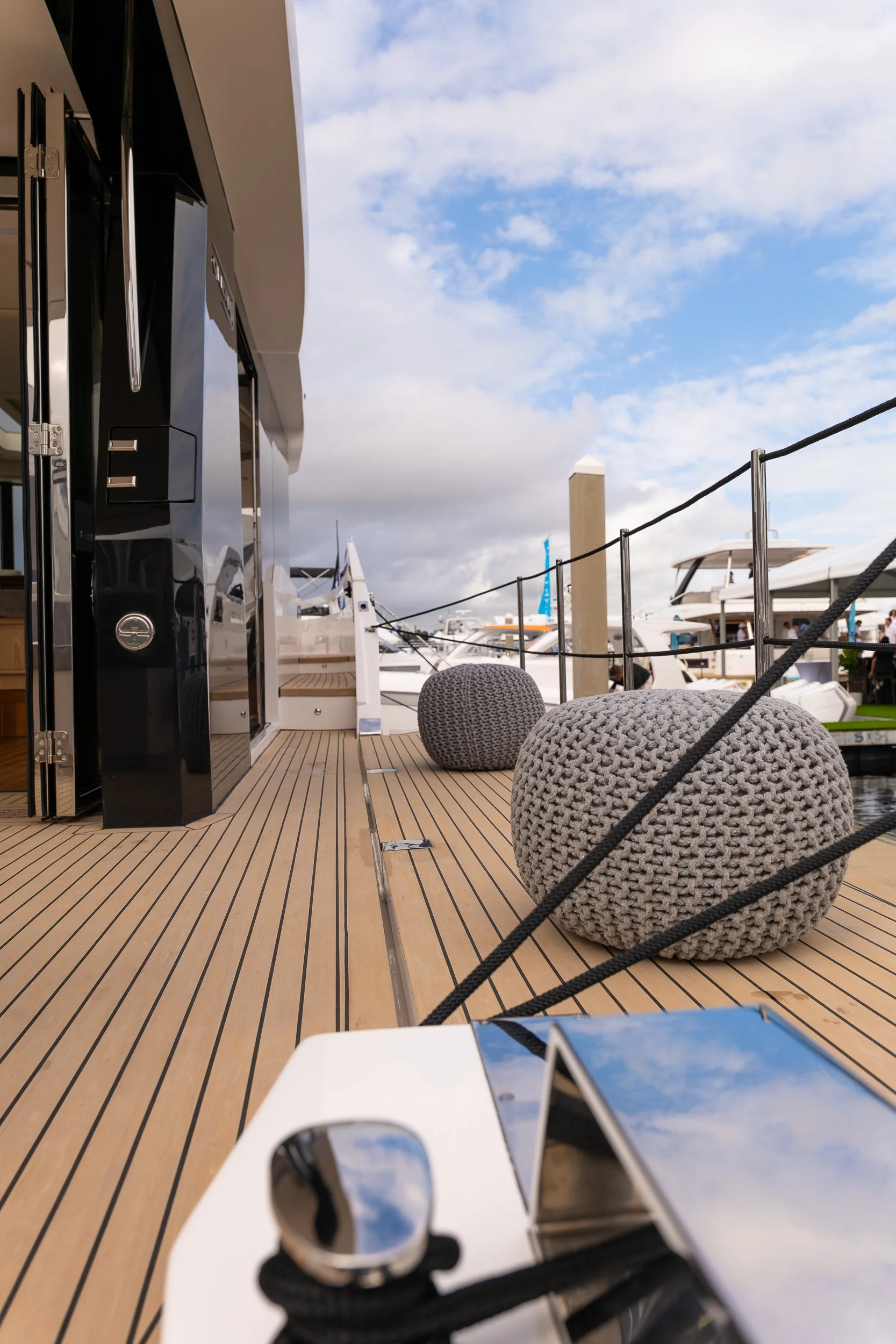
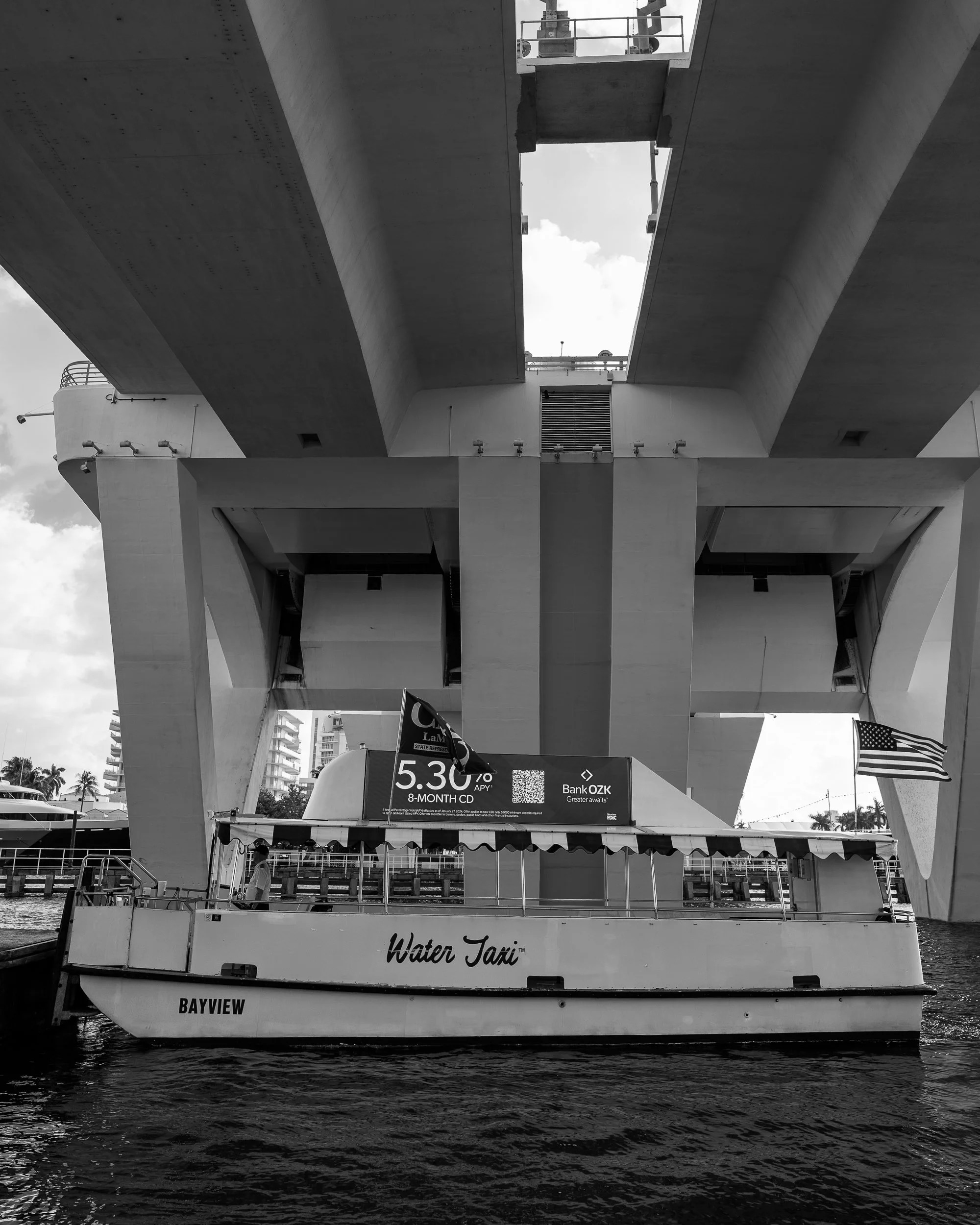
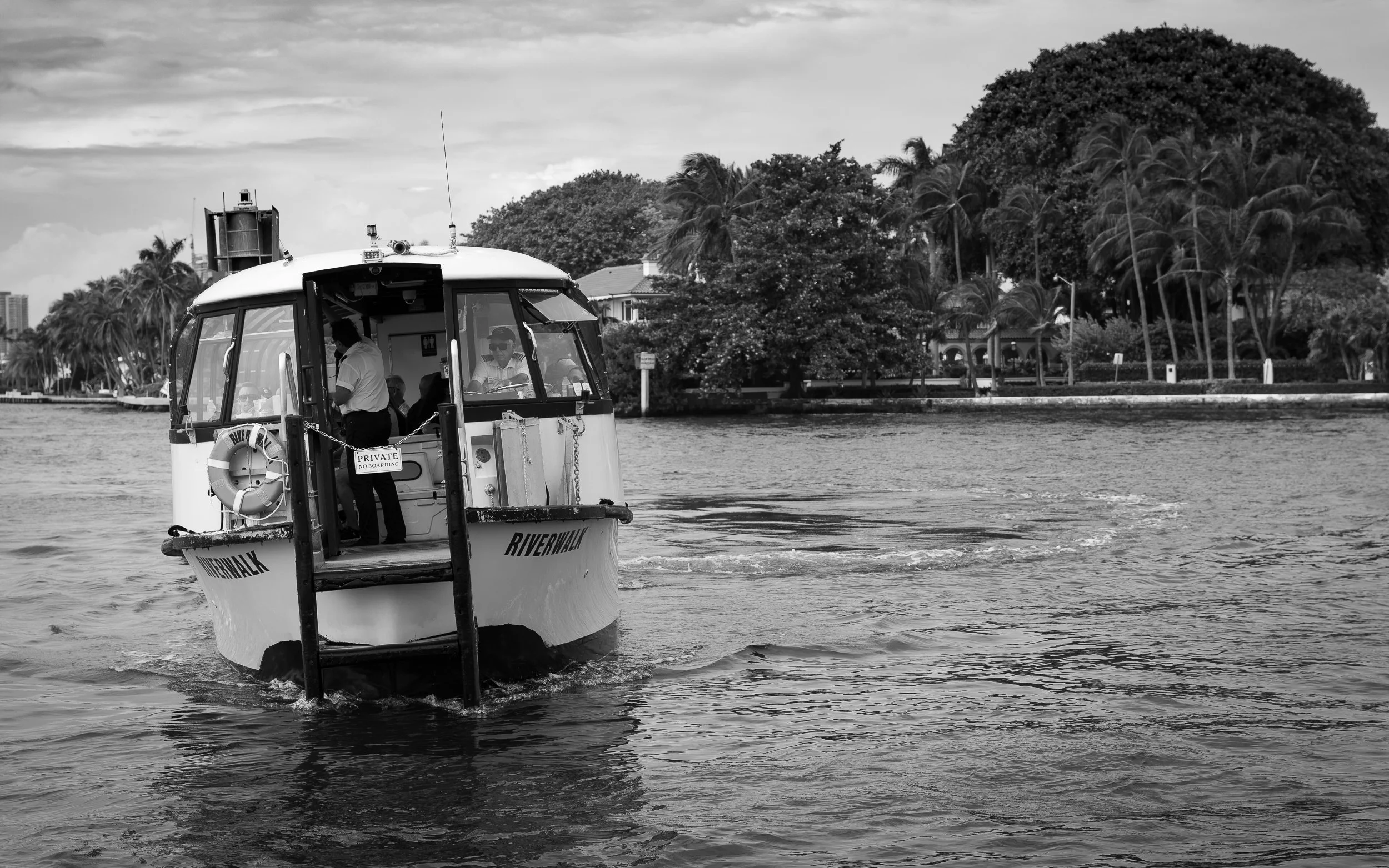
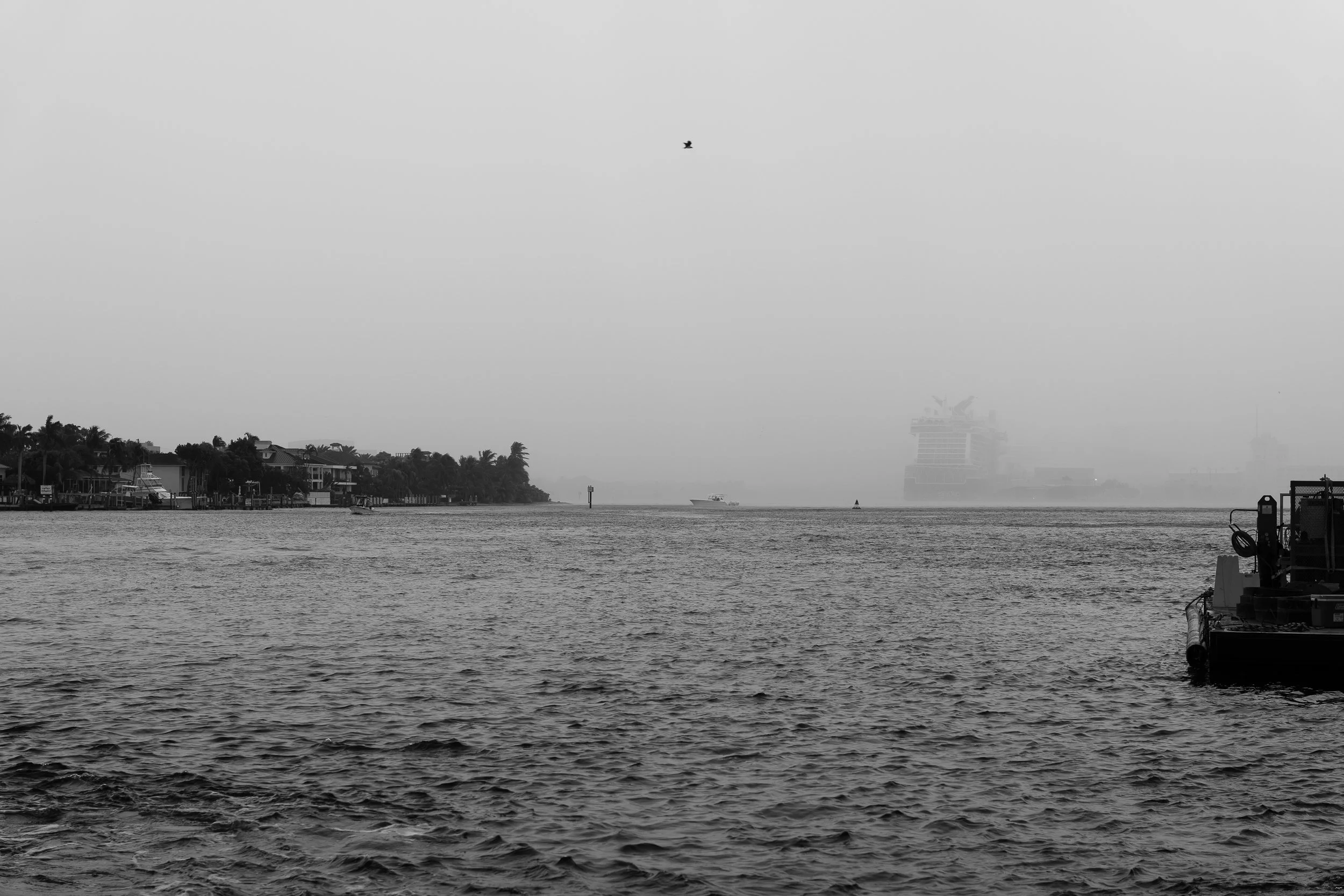
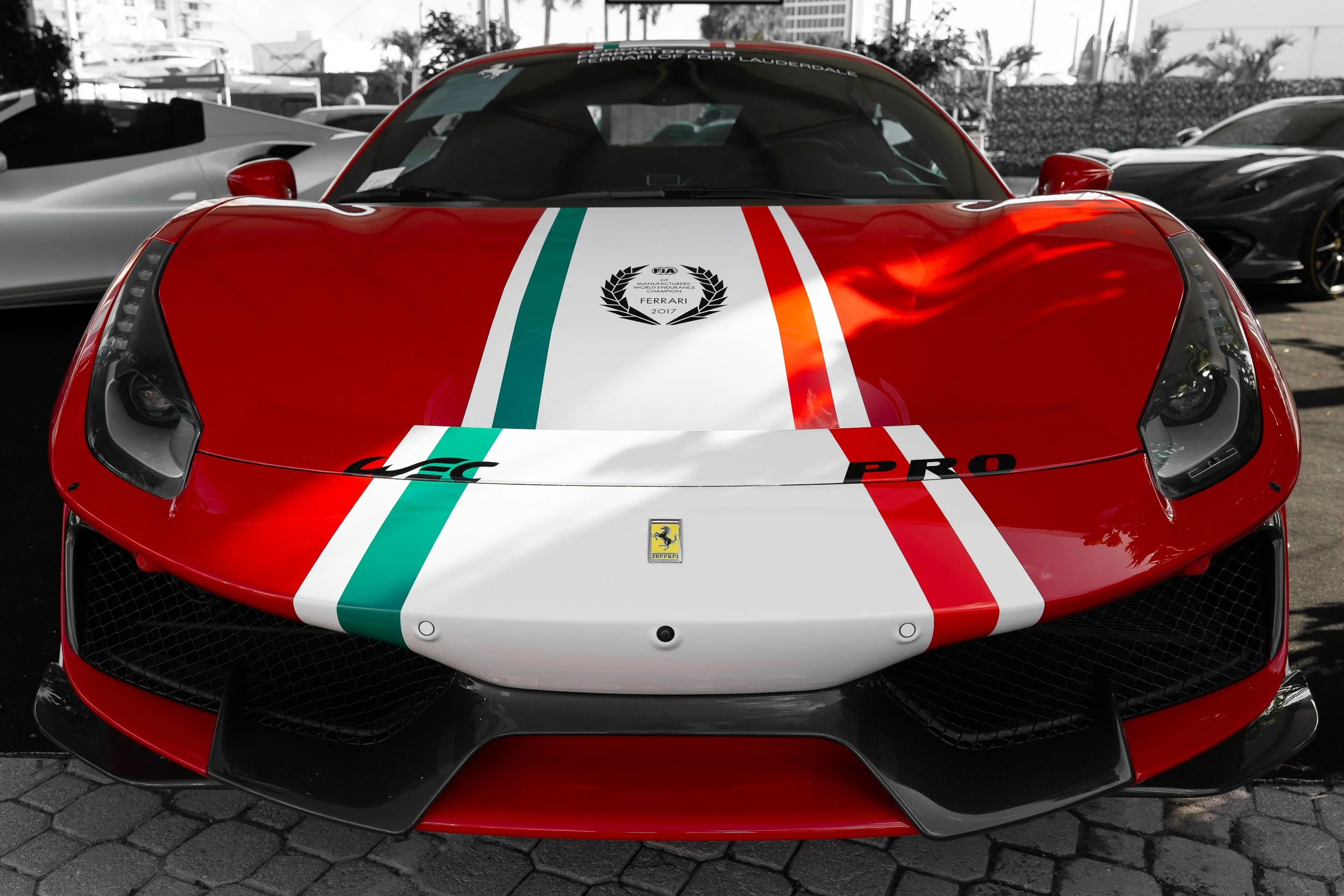
Cape May, New Jersey
For vacation, my wife and I ended up on the Jersey Shore. When walking around, this lens is small and light. At only 745 grams, your arms will not get tired from lugging this lens around all day. And I did a lot of walking around on our trip. With about a week visiting Cape May, we did a lot of touristy stuff. We started the week with some beach time, and then moved to a super touristy thing to do ~ ghost hunting! Do you see any ghosts in the images of the rooms in the house? I don’t either. Bummer… Click photos to enlarge.
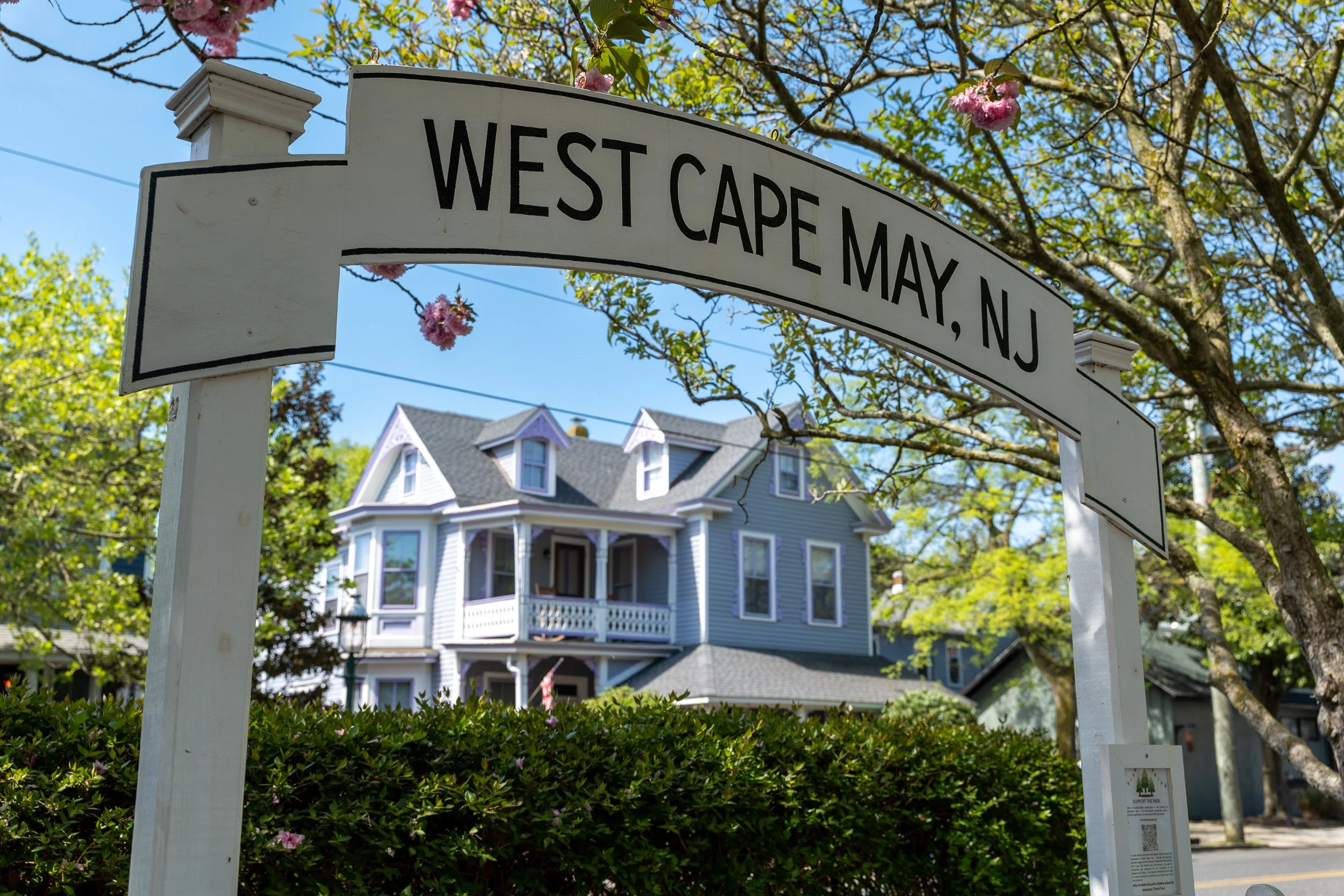
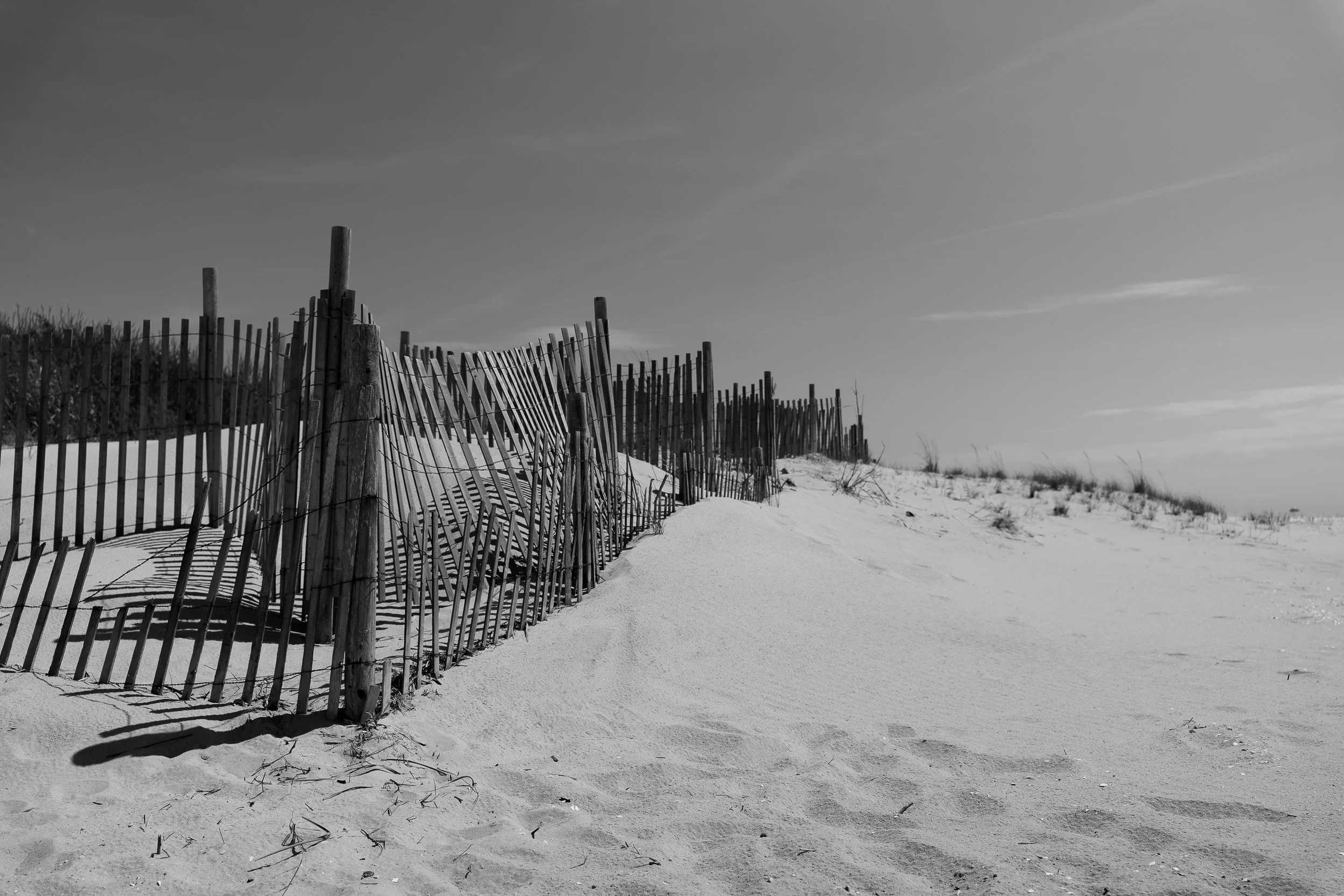
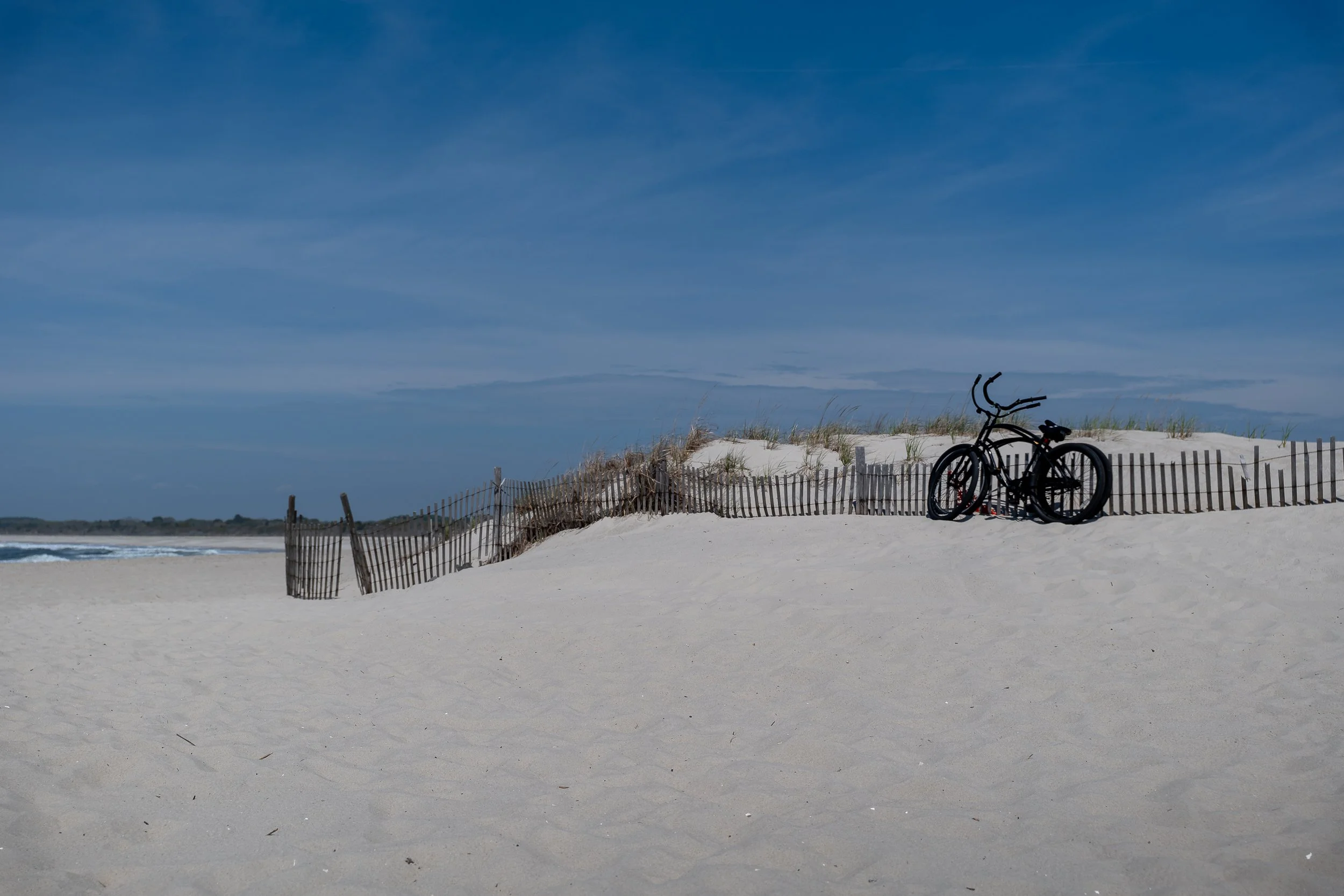
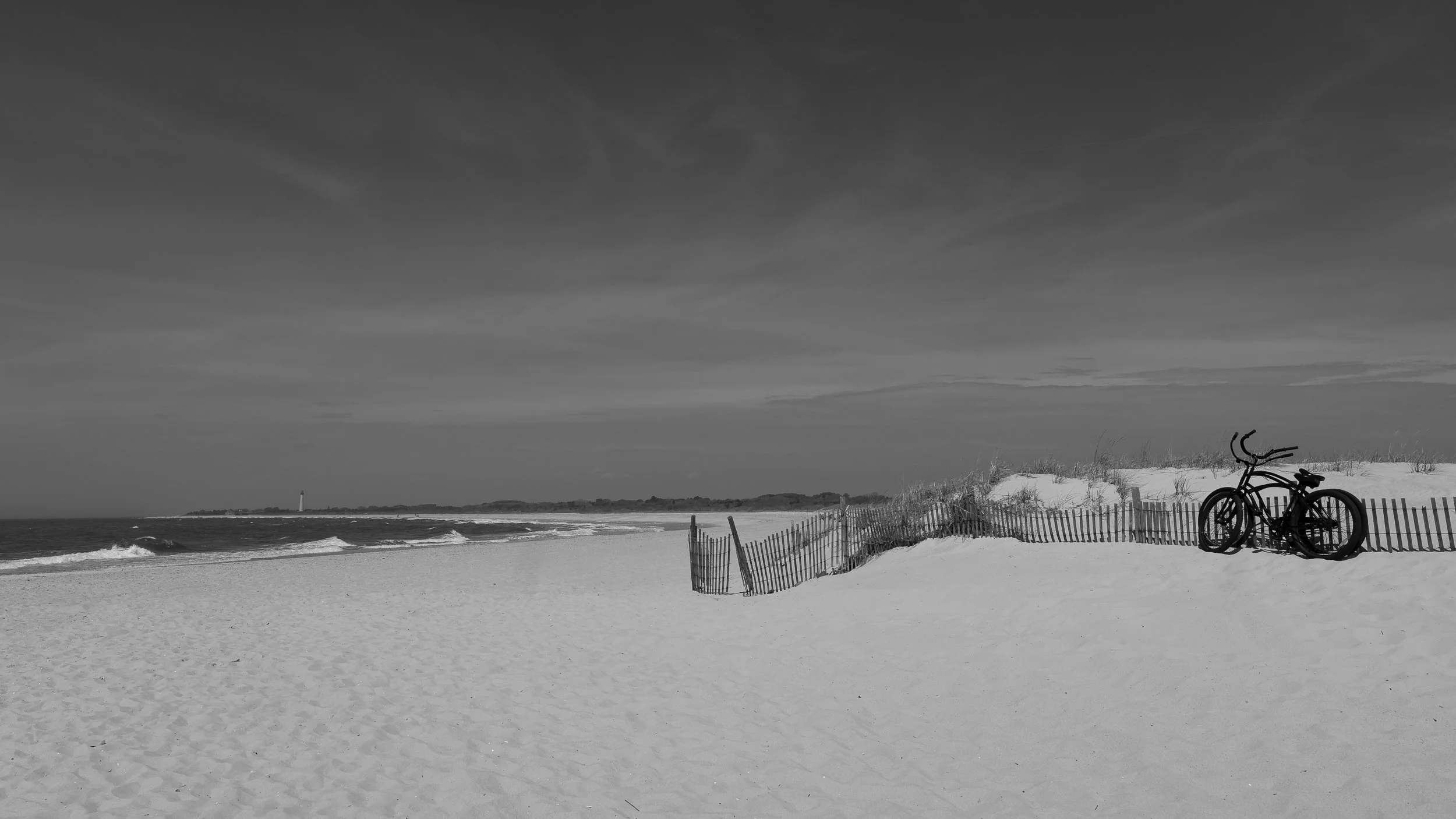
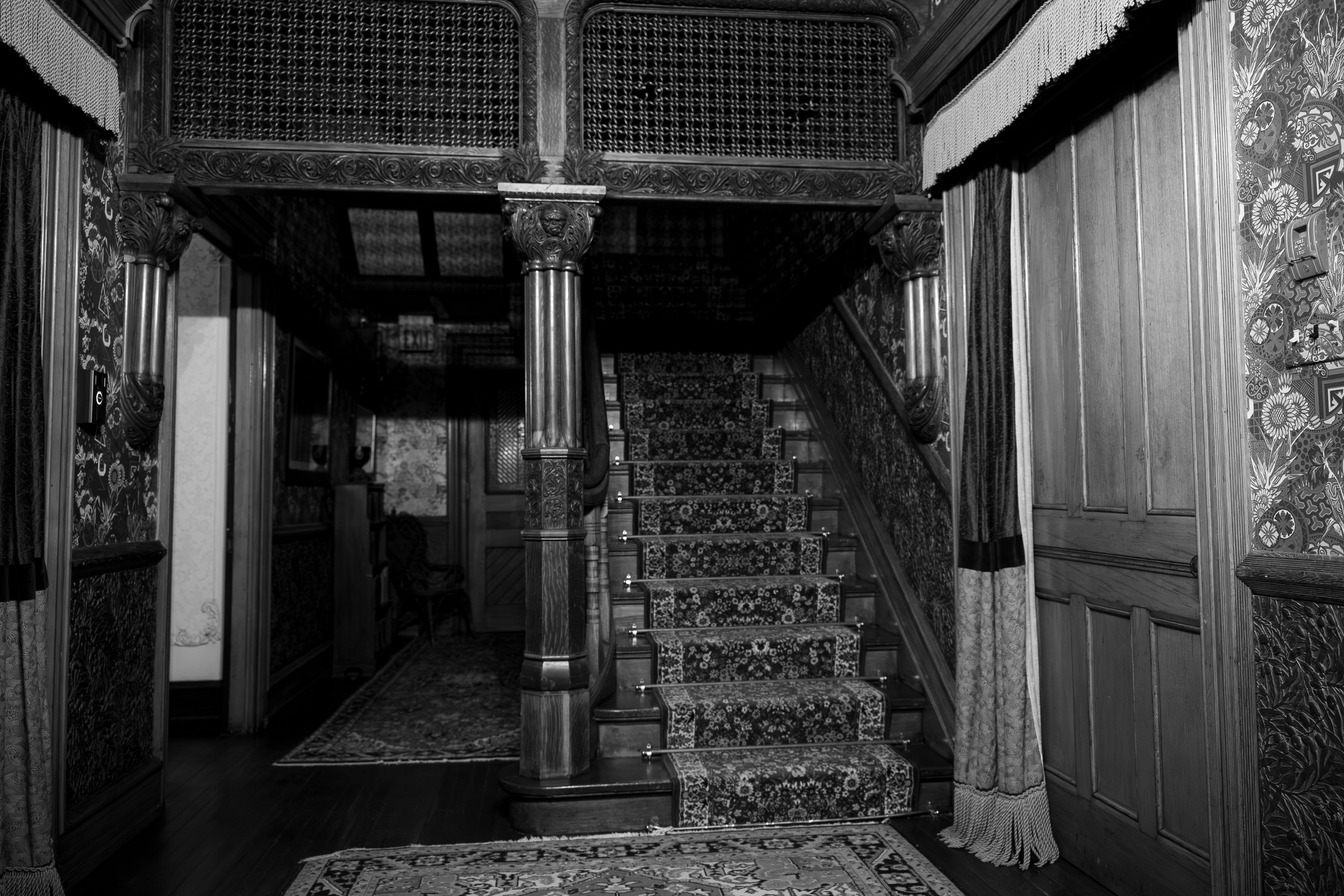
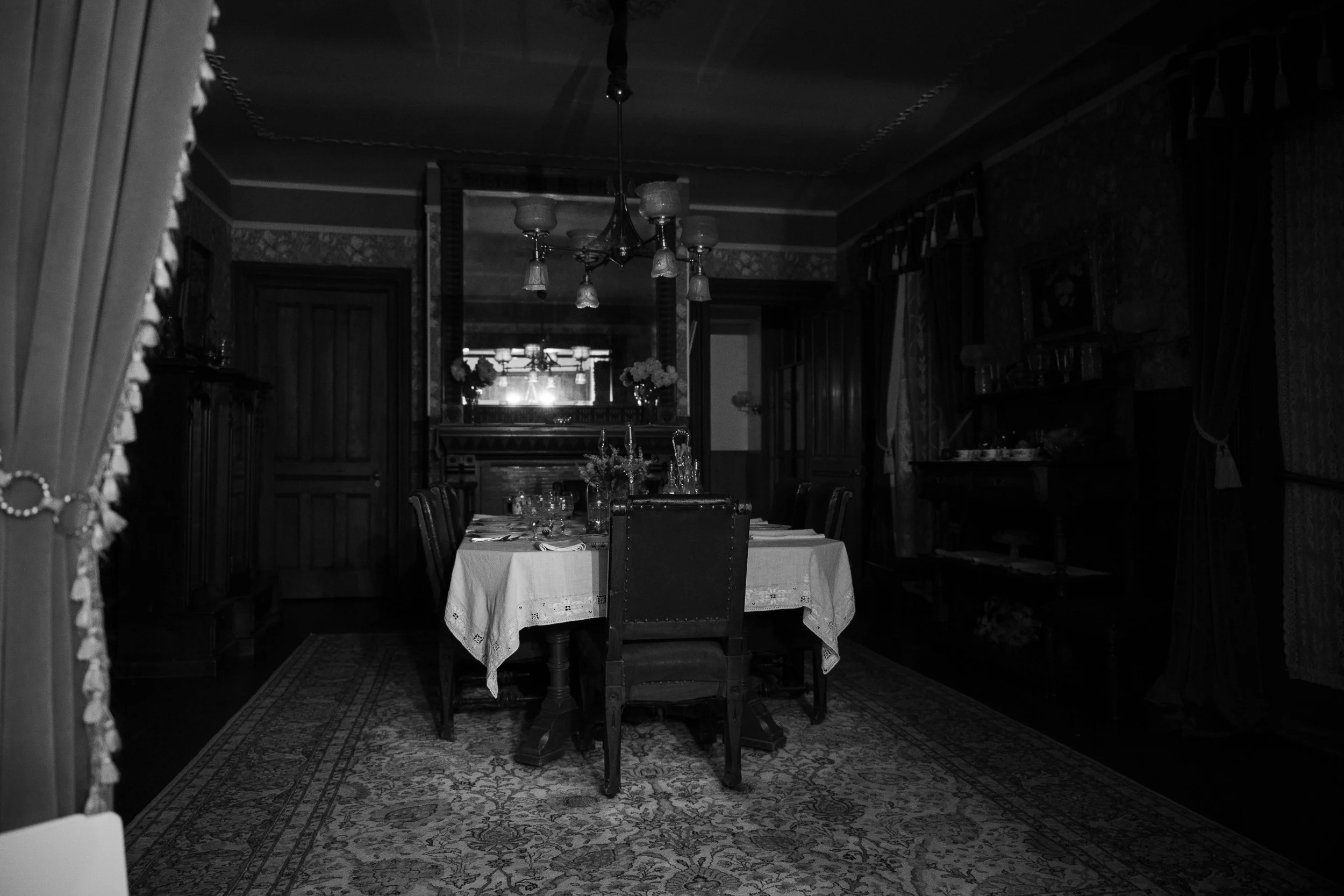

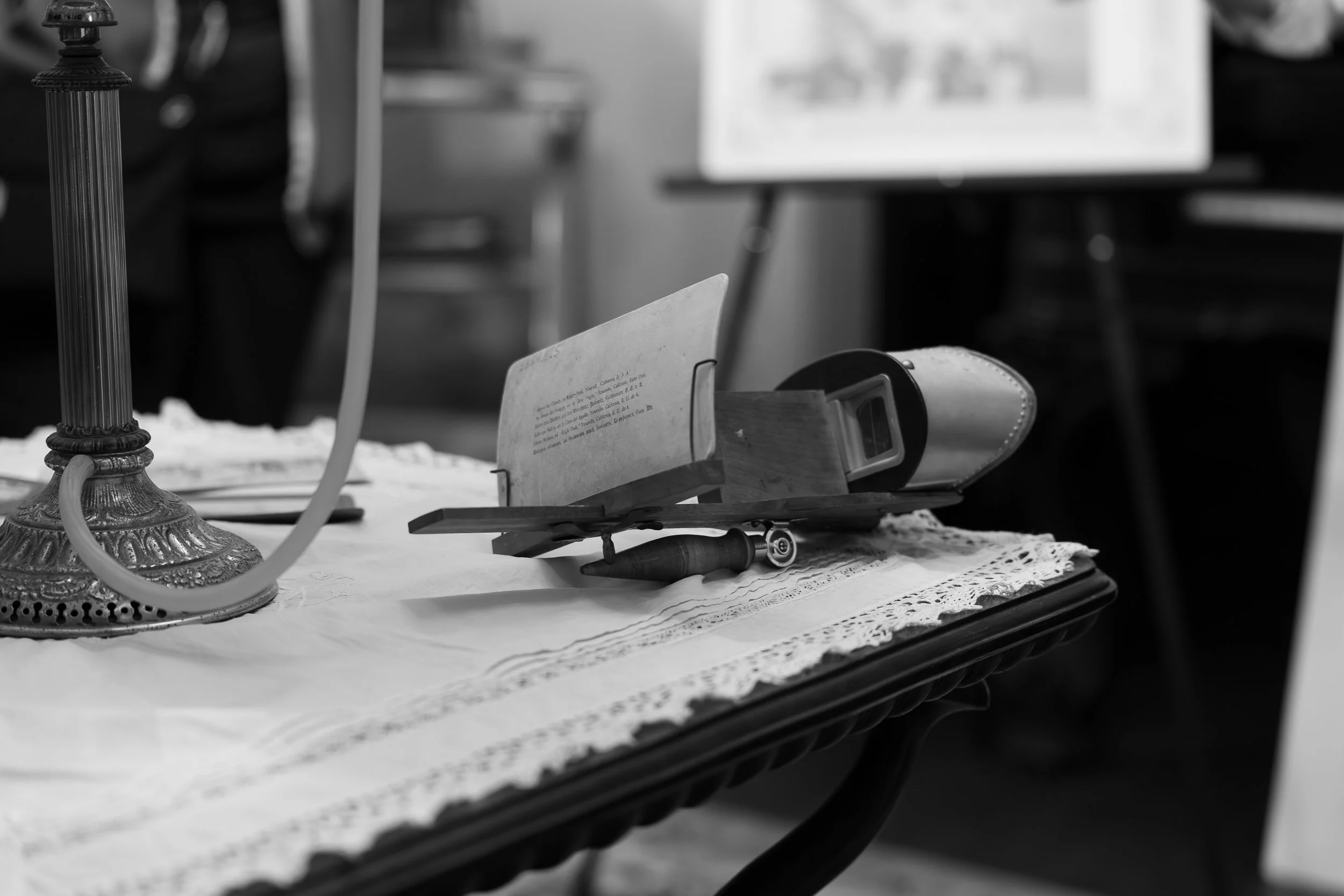
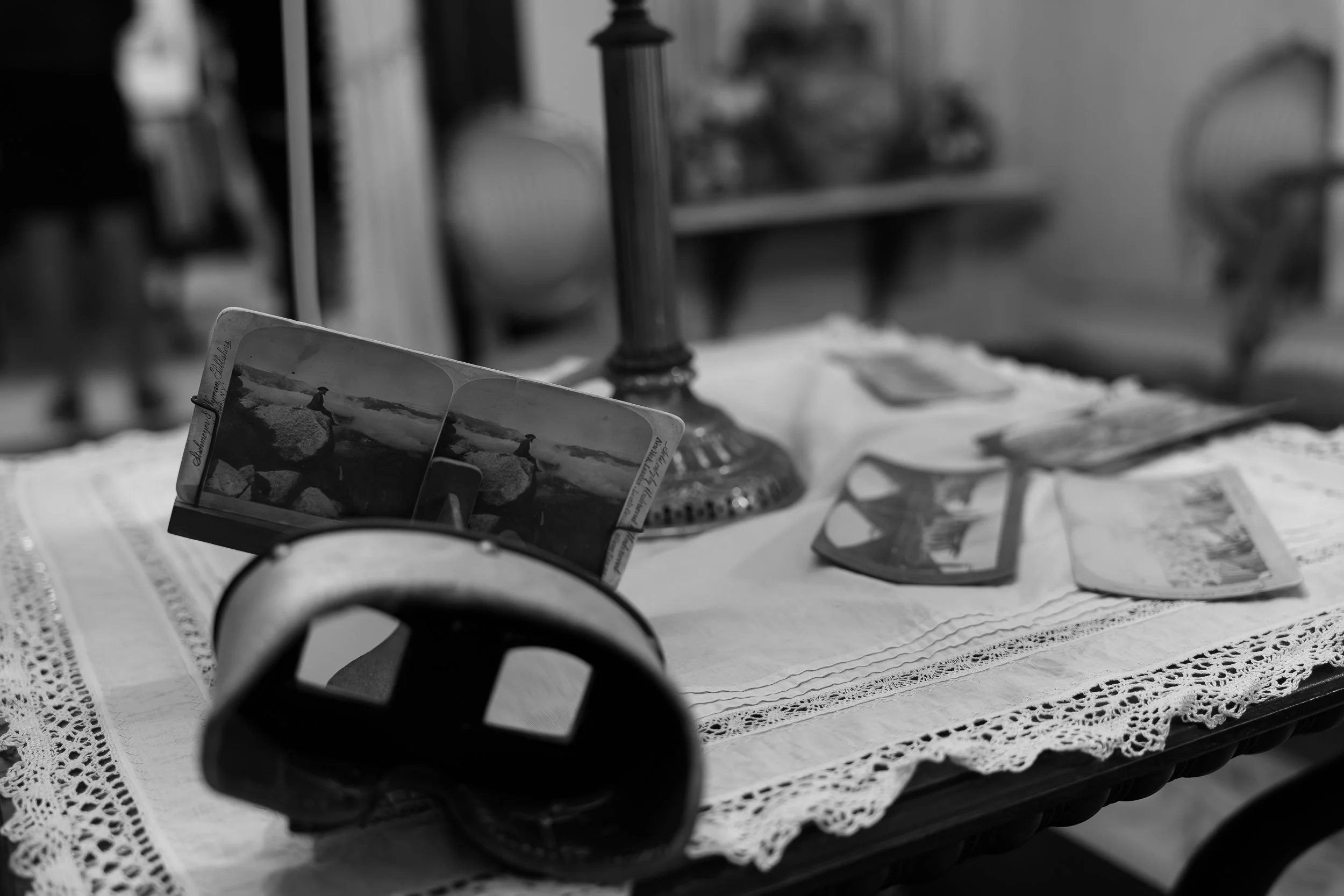
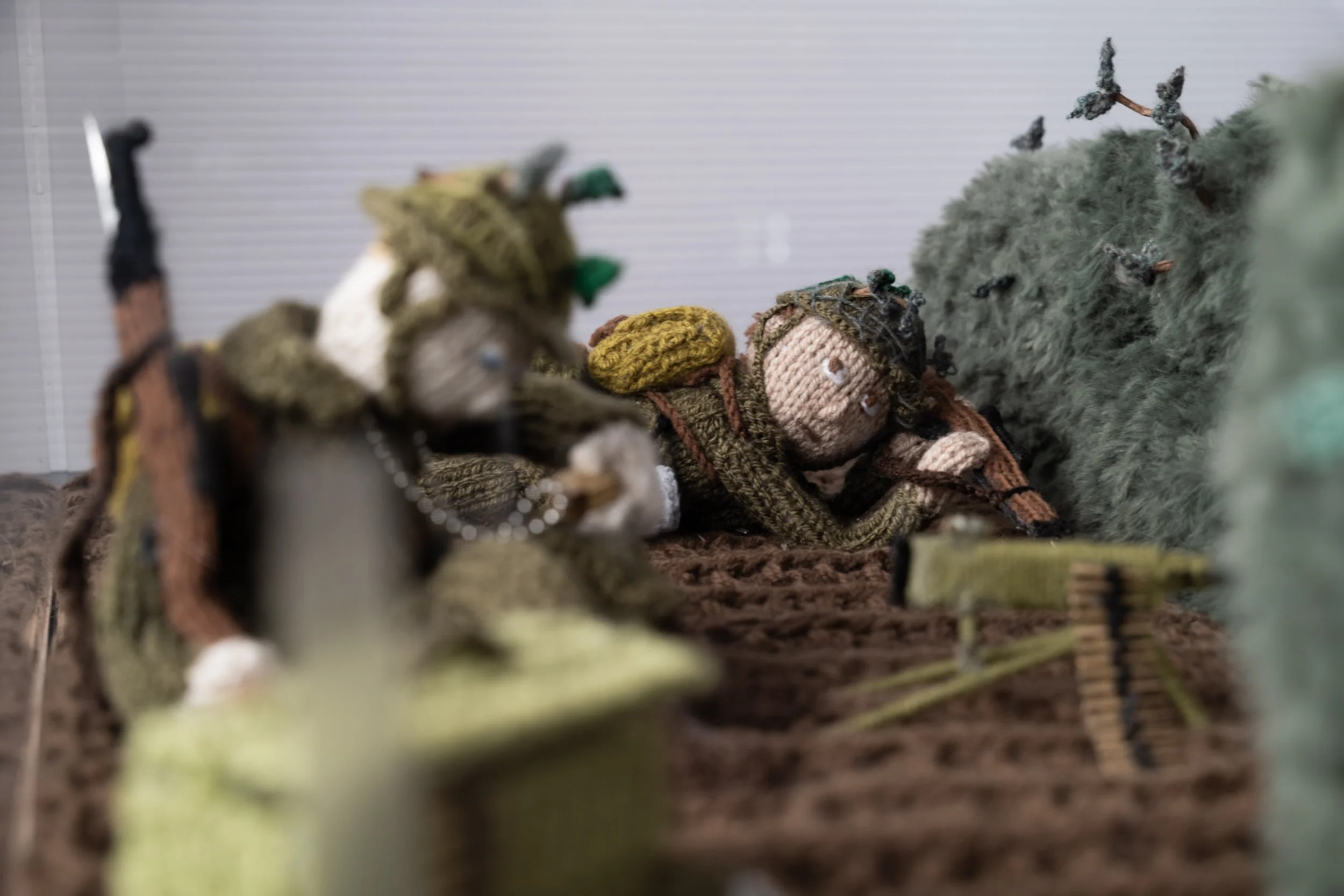
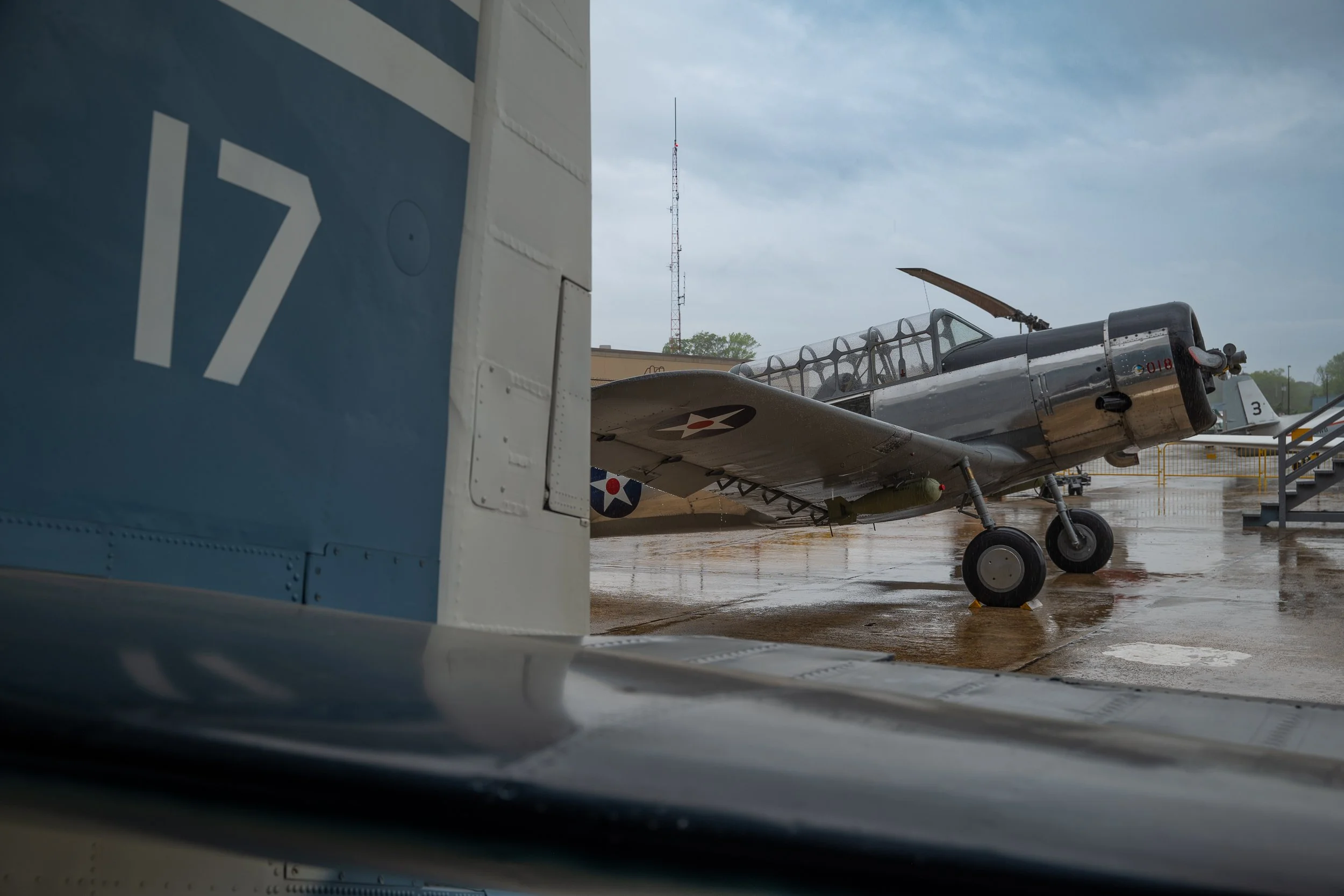
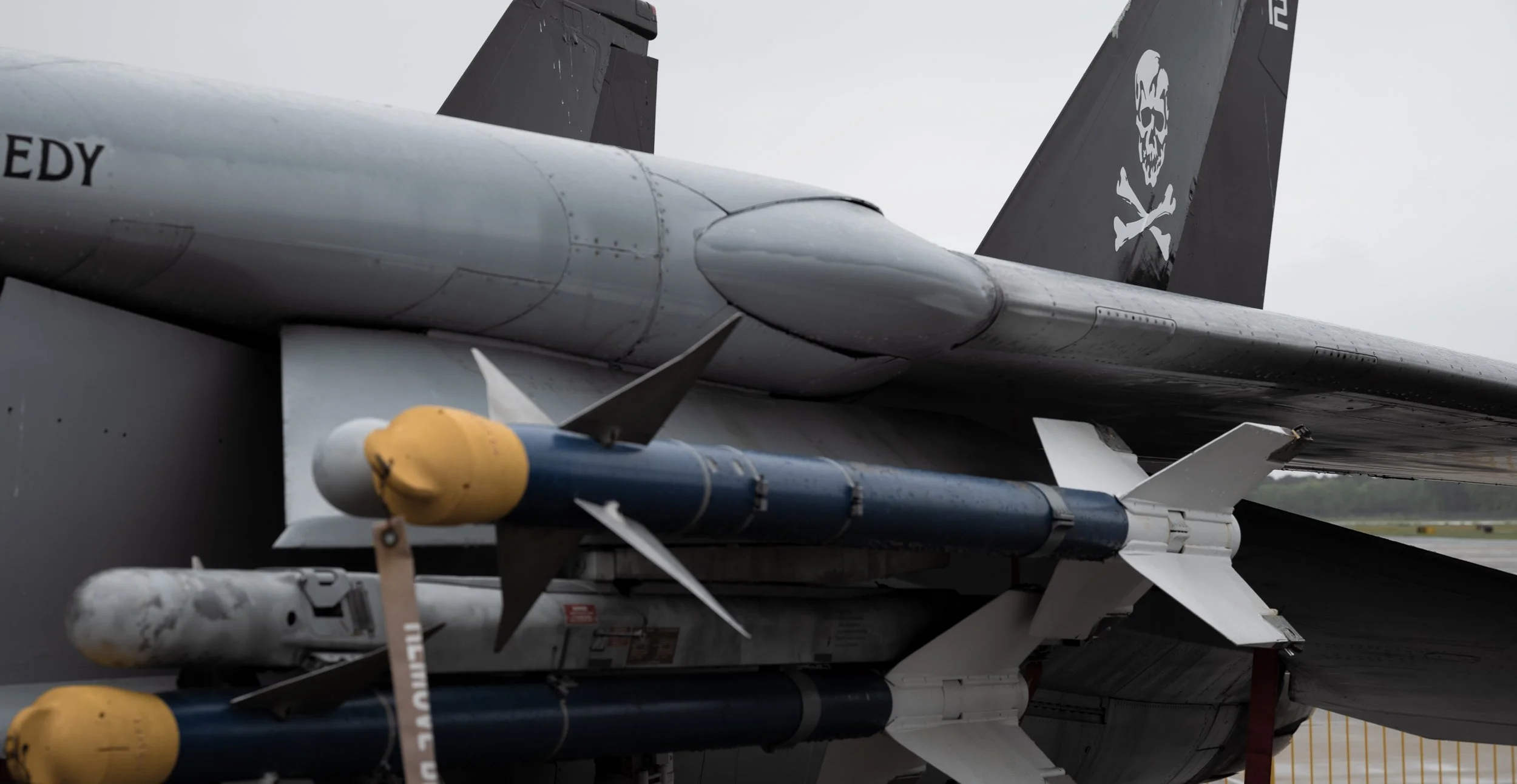
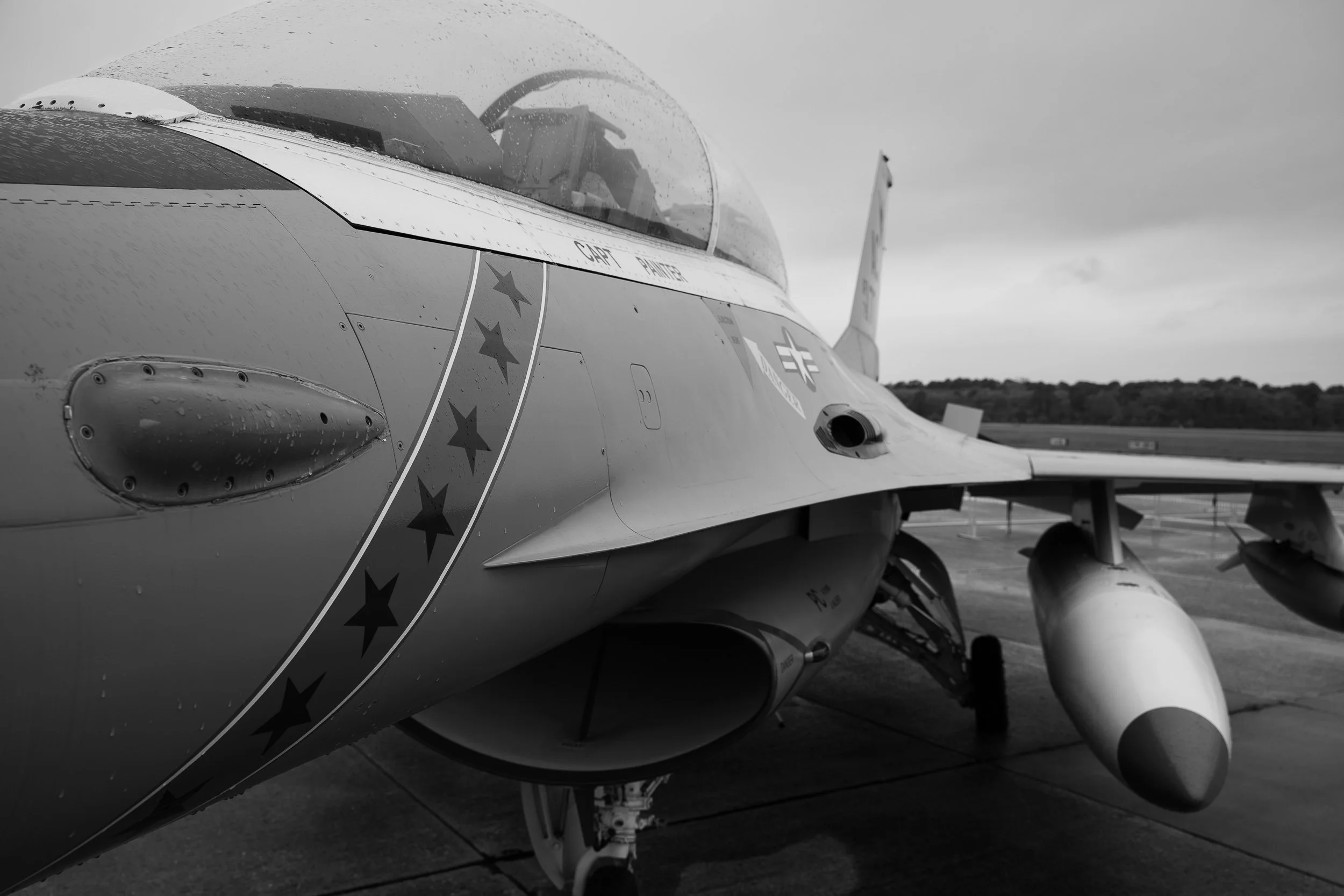
The weather was perfect during our time on the shore. Most days were sunny and warm, while we only saw rain one day. The landscapes worked well with the blue sky meeting the sandy beach. I found the weather from the northeast beaches to be hazier than the Gold Coast of South Florida. During our trip to the Naval Air Station Wildwood Aviation Museum, I encountered mixed lighting conditions. The fast aperture of this Sigma lens performed nominally during the visit. I was inside, I was outside, I was under planes, I was in the rain, and I even photographed a traveling exhibit telling the story of D-Day in crocheted form - The Longest Yarn. The Sigma lens has a minimum macro distance of 6.7 inches. That made it great to photograph the crocheted scenes up close. The only problem I encountered while photographing the exhibit was the glare from the glass exhibits. The displays were encased in clear boxes. It was a challenge finding a spot where no glare would show. Click photos to enlarge.
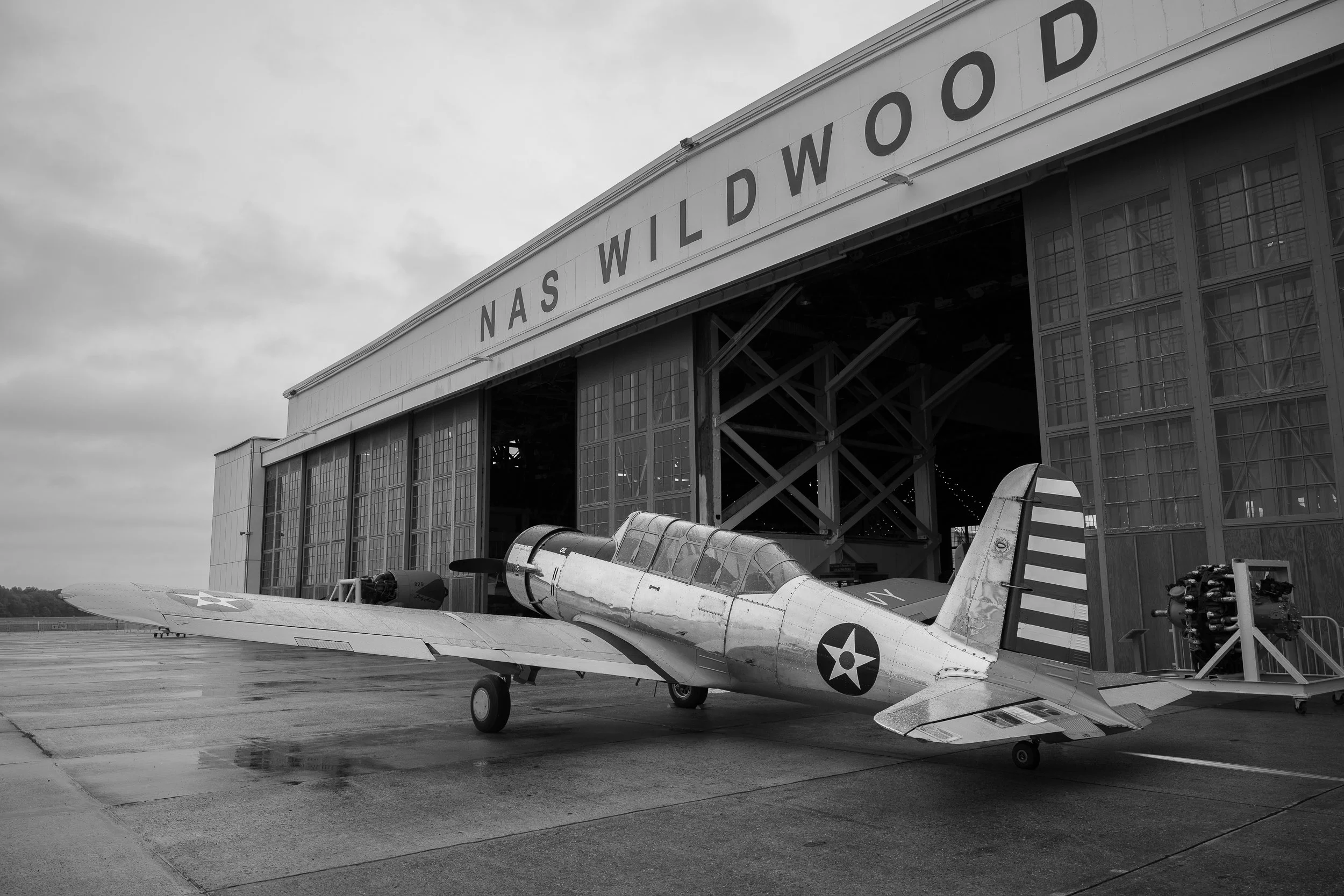
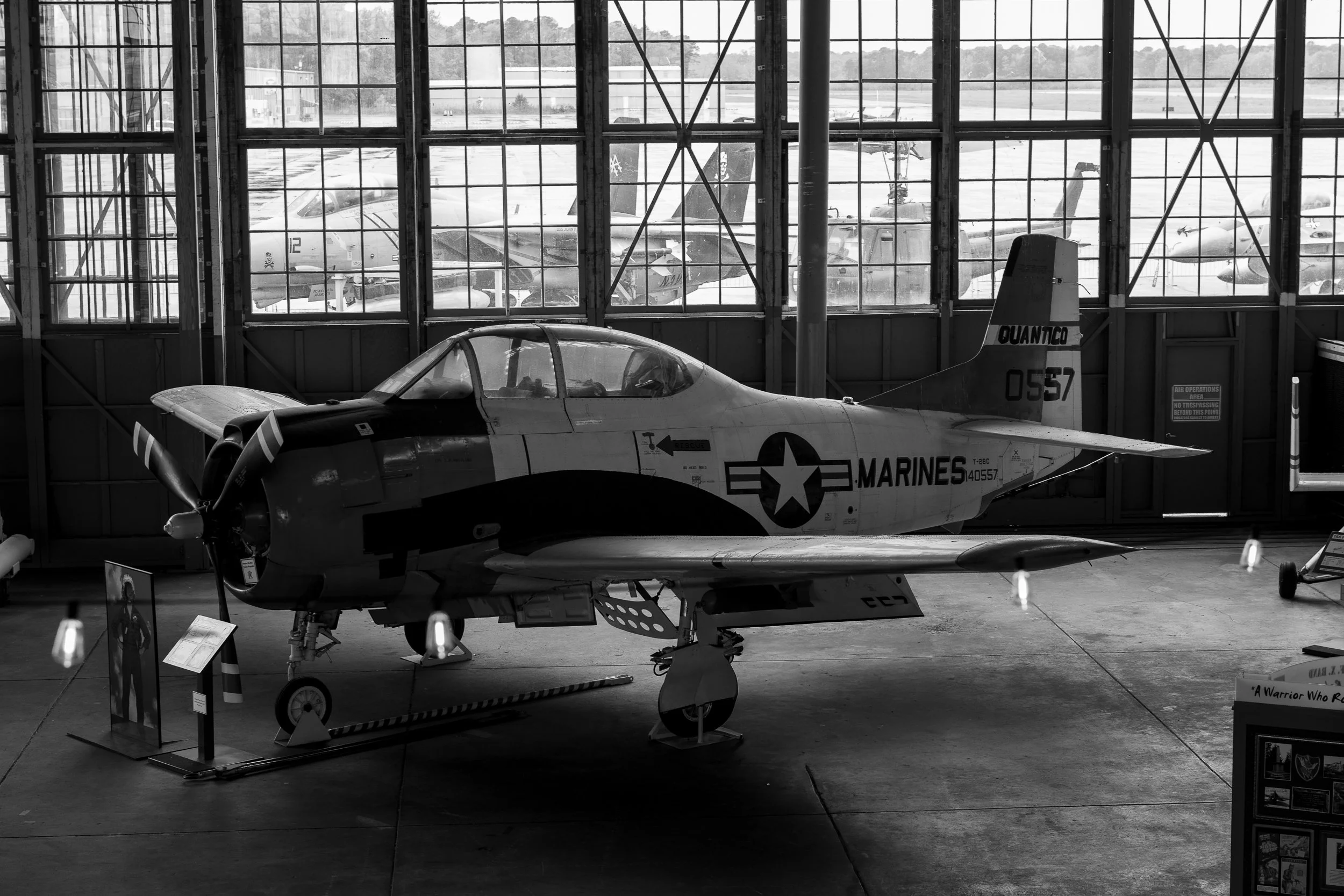
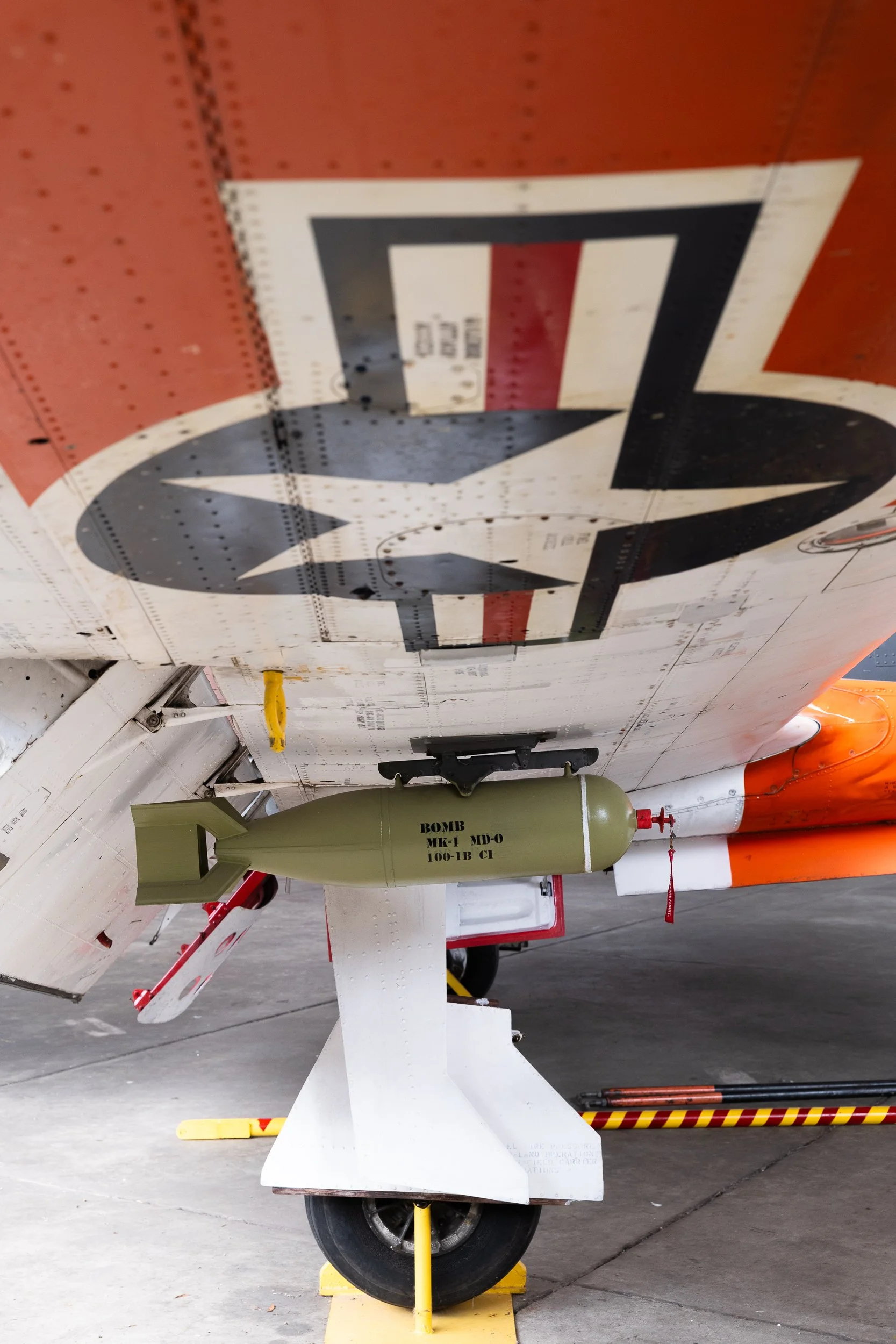
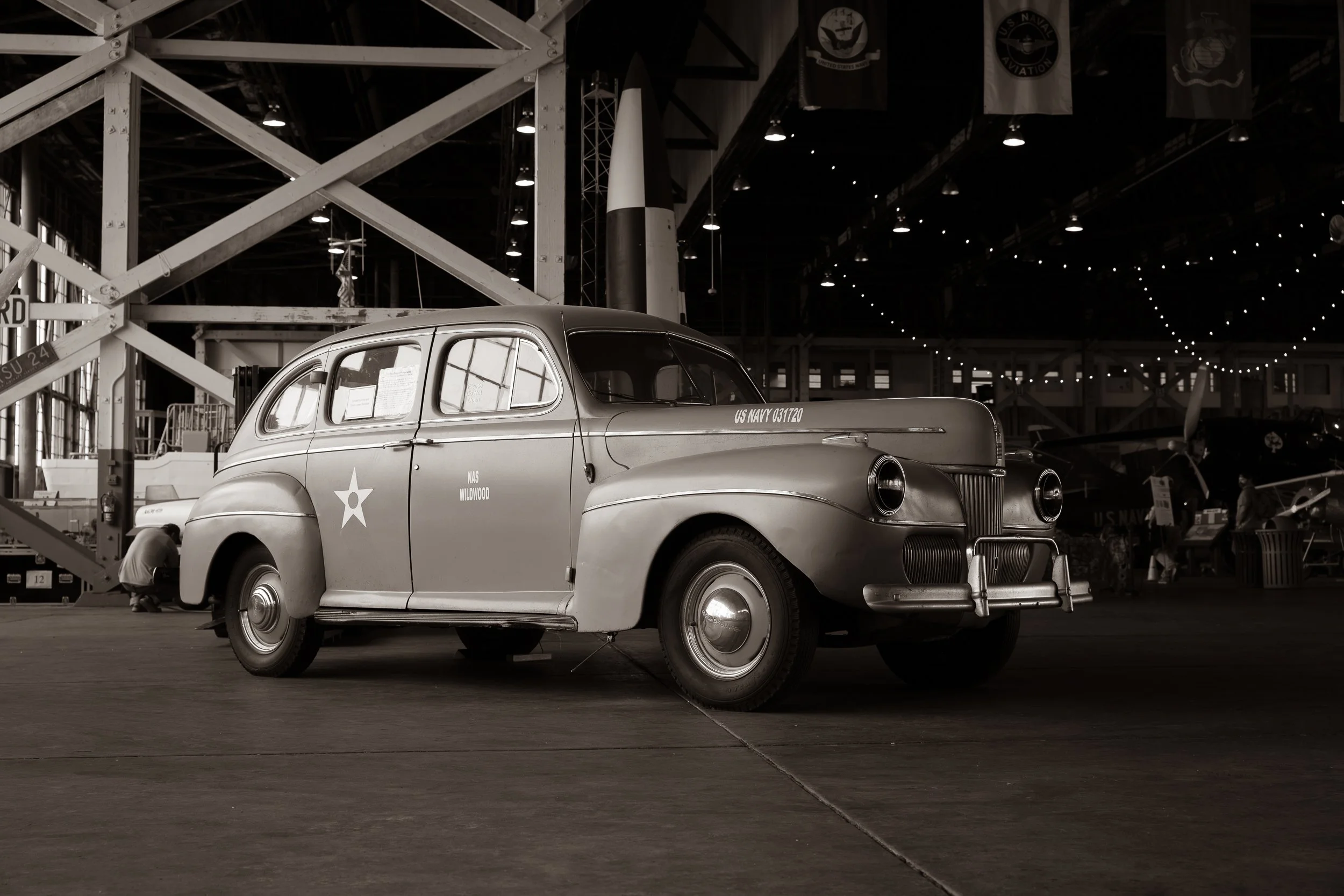



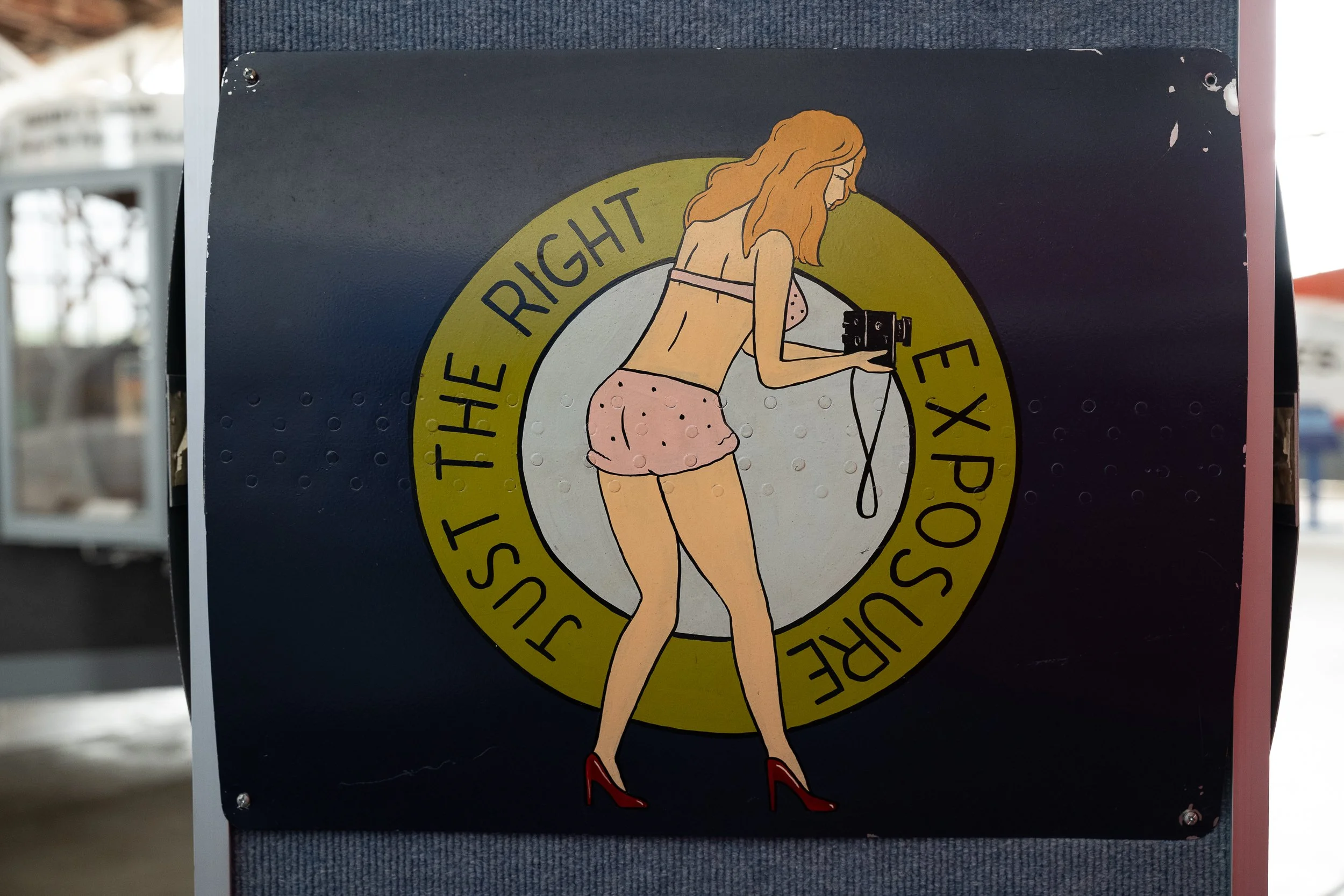
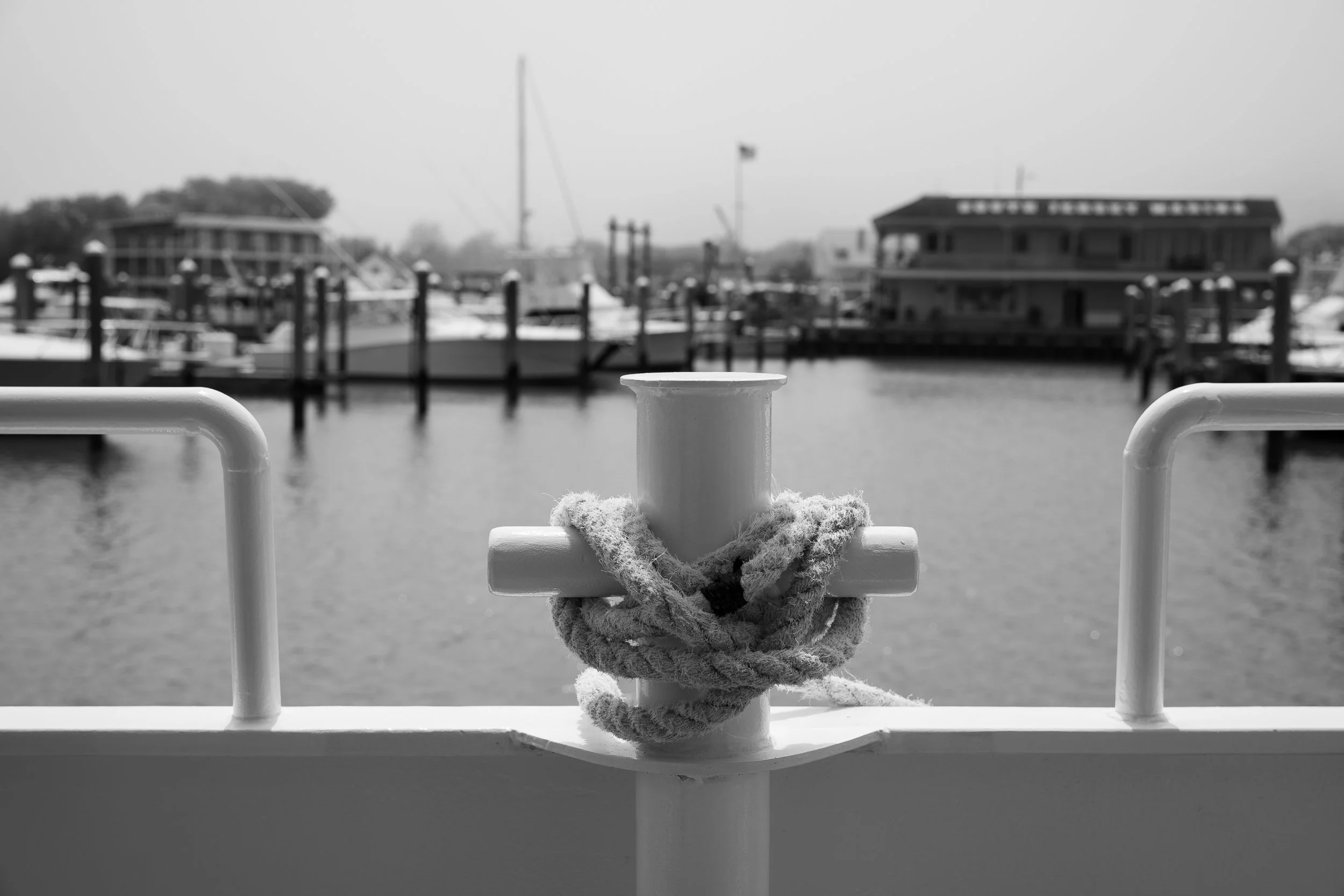
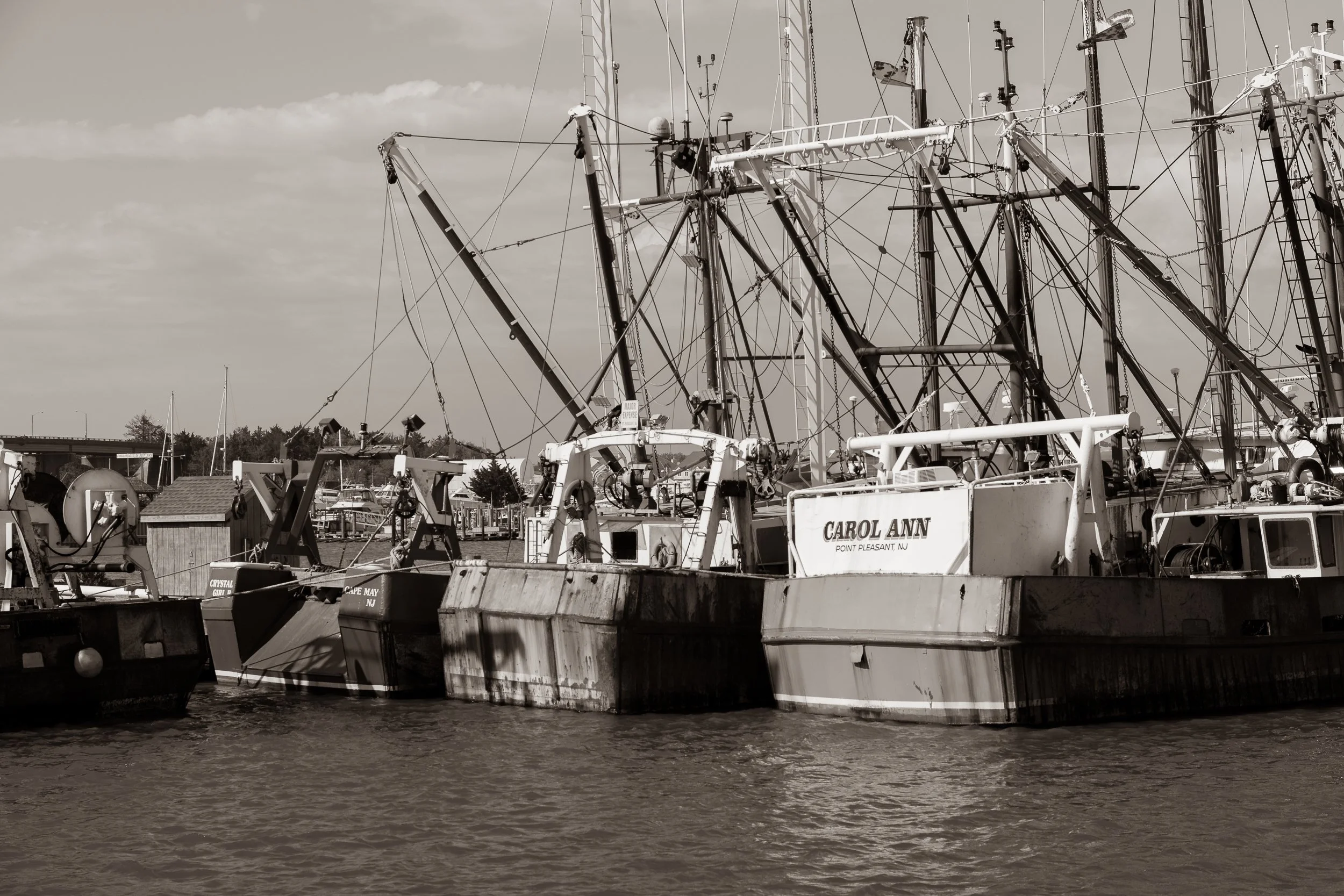
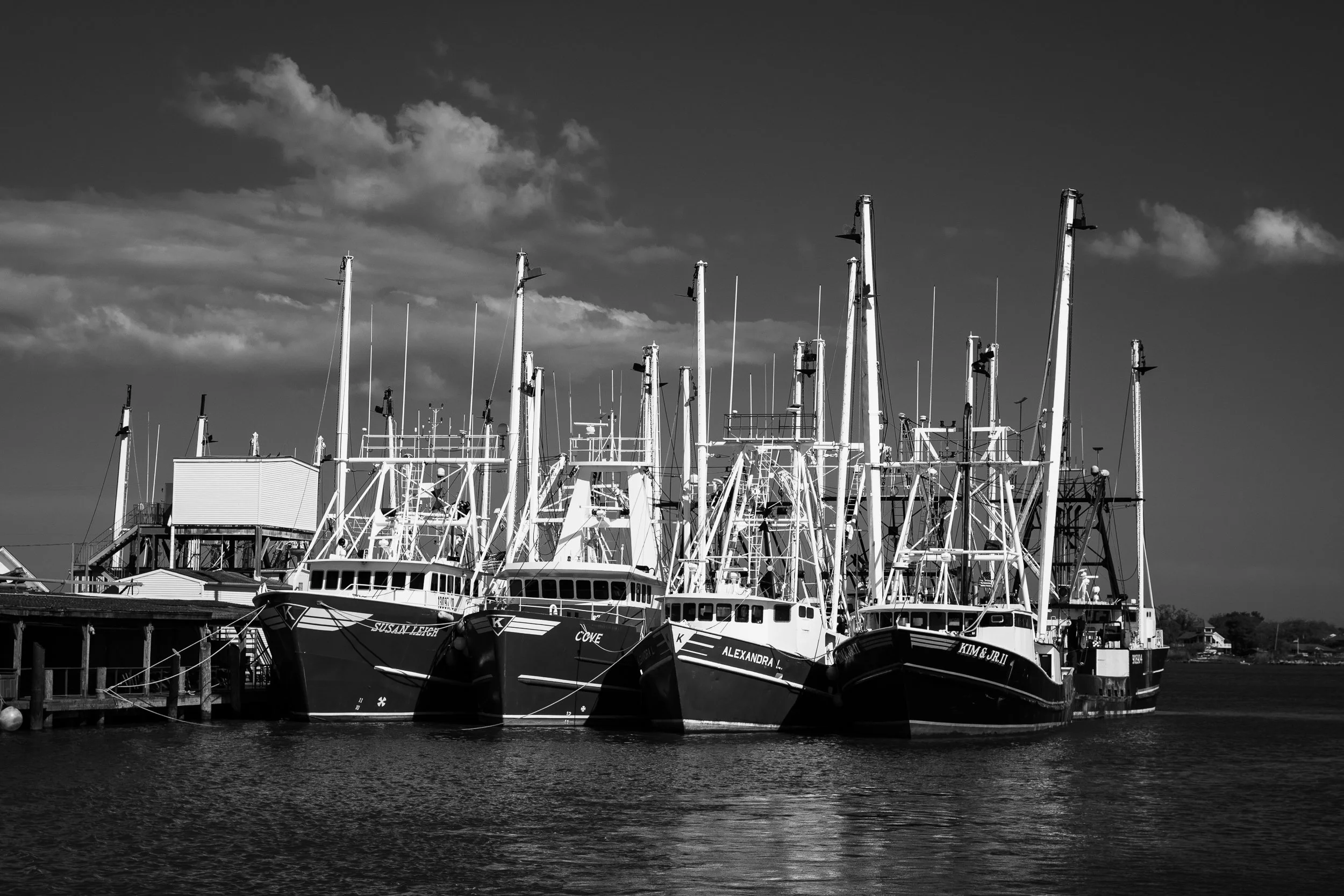
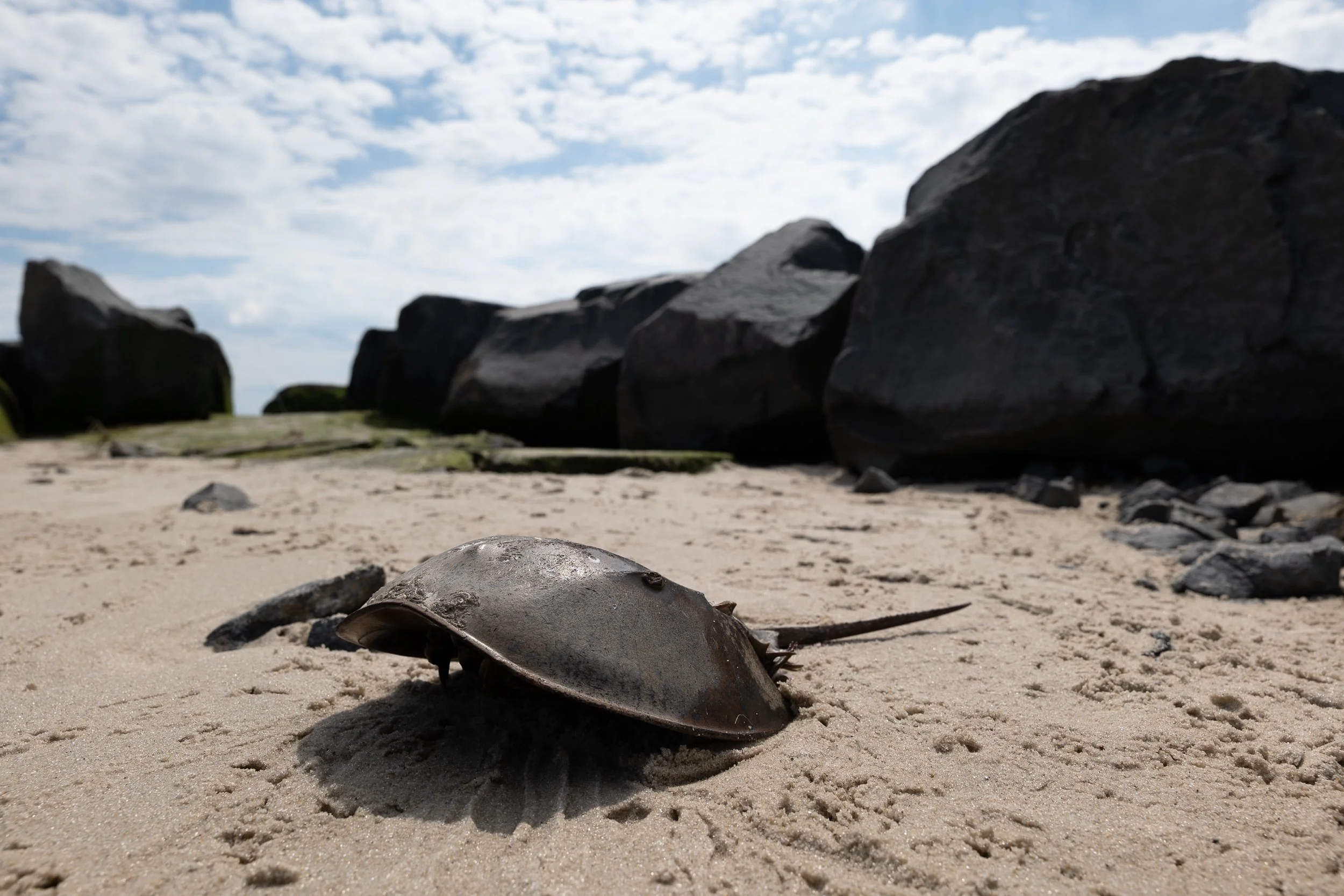
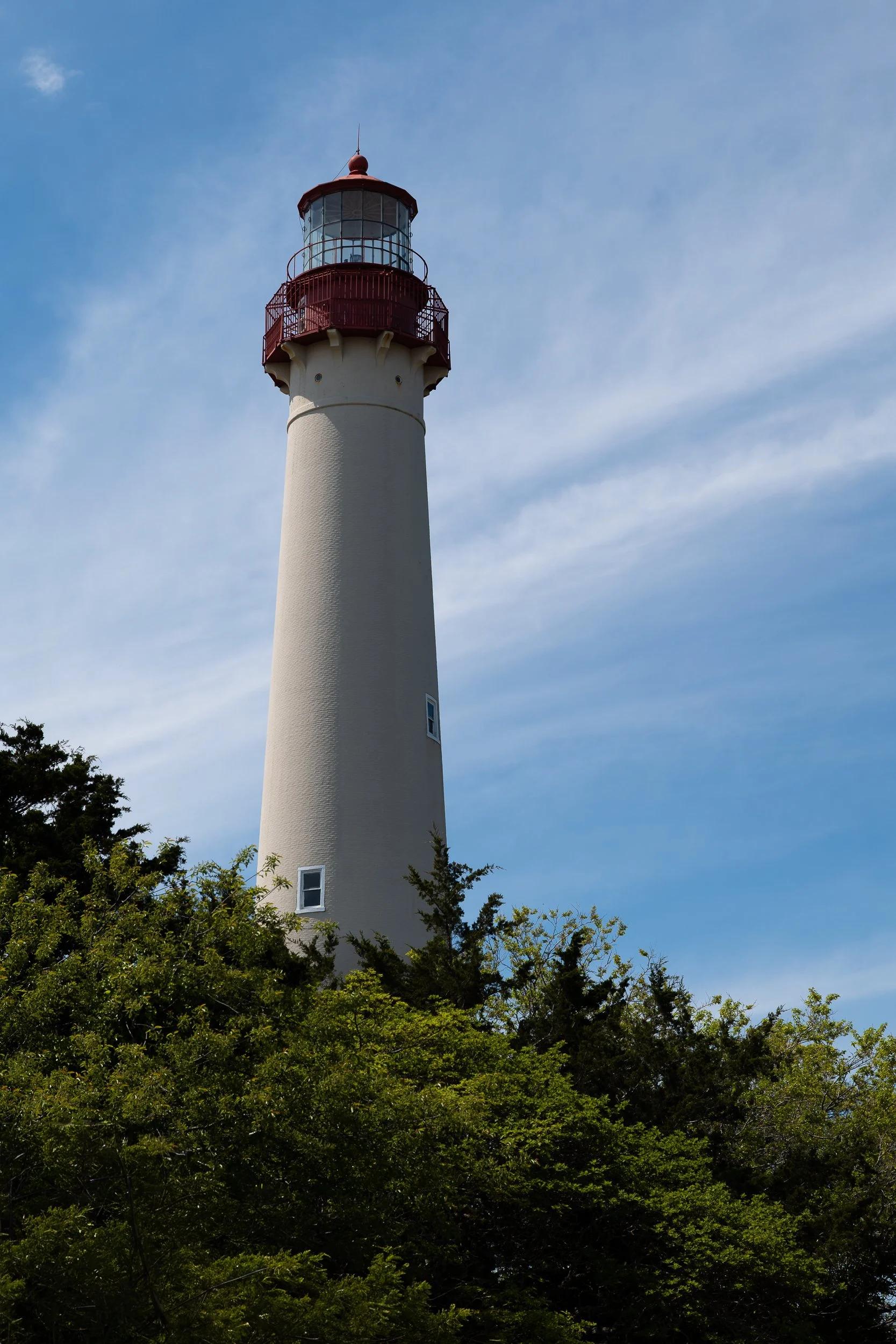
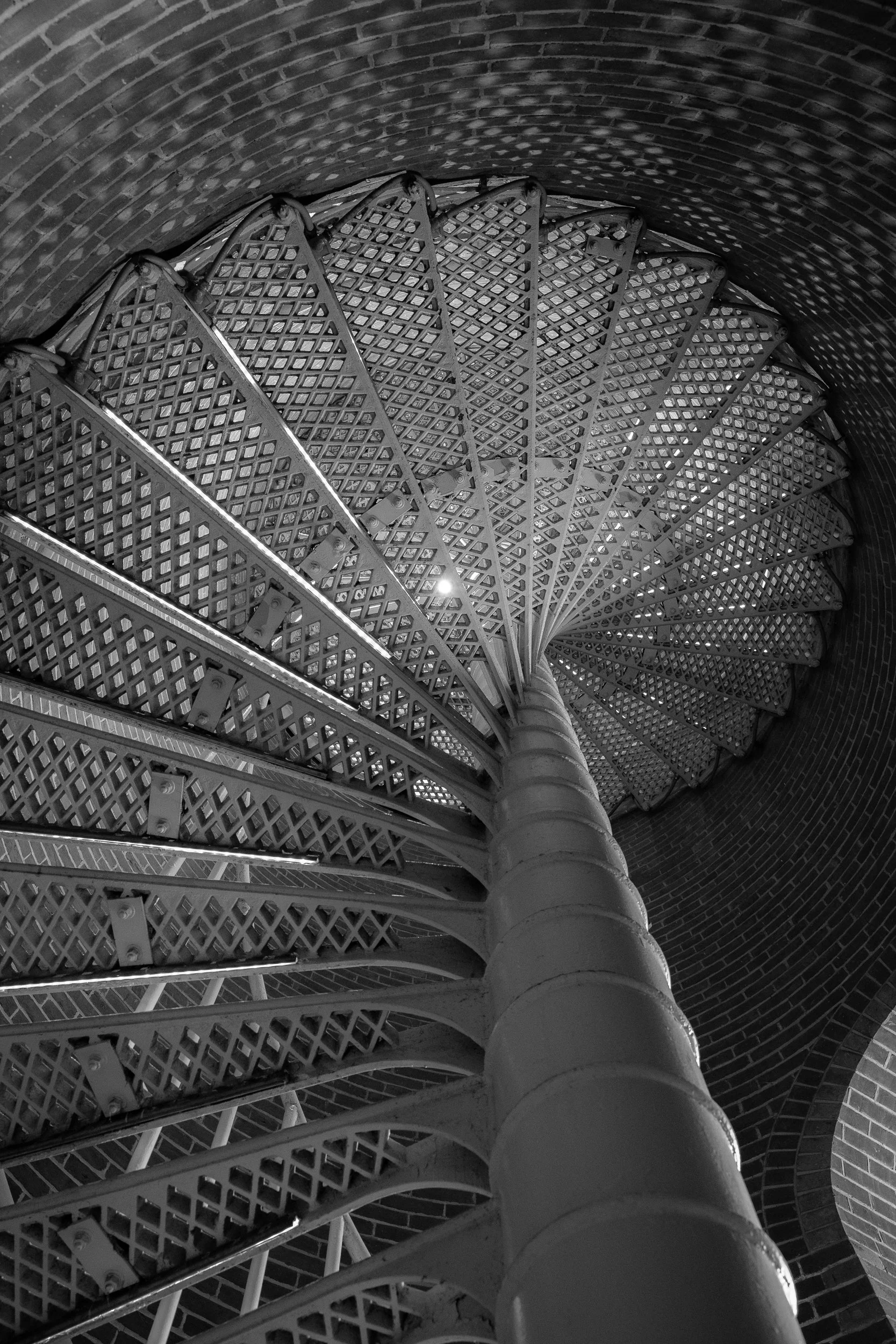
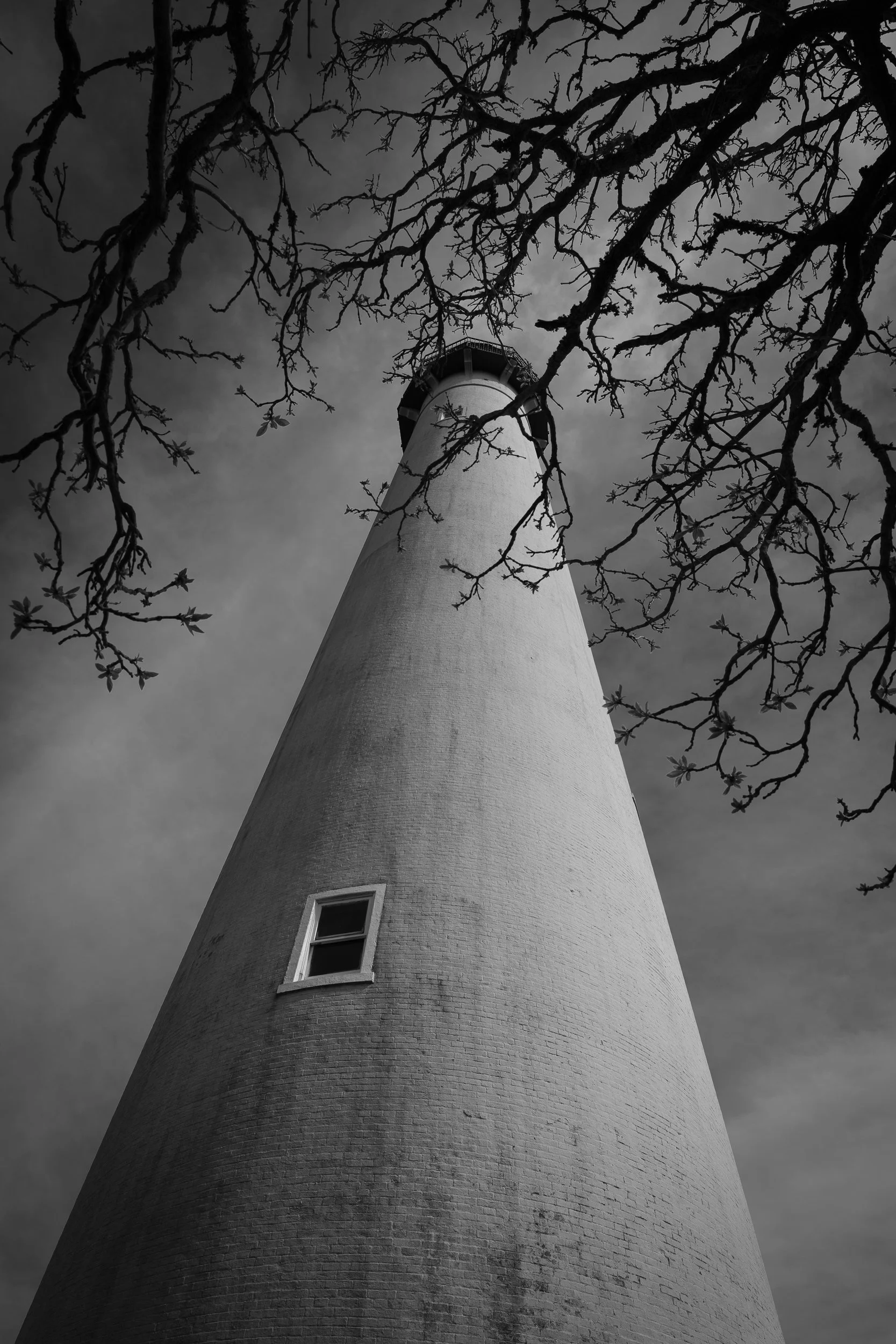
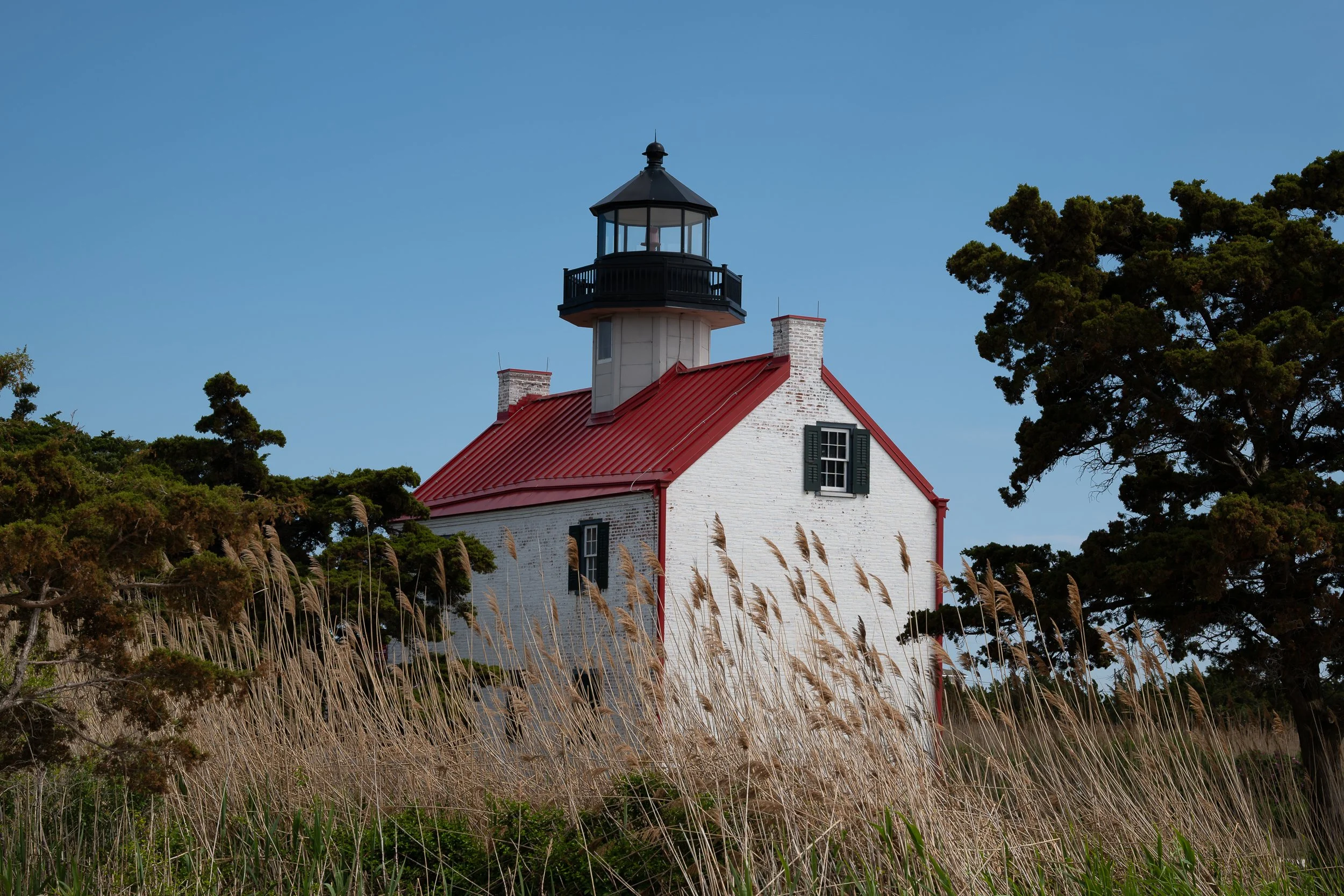
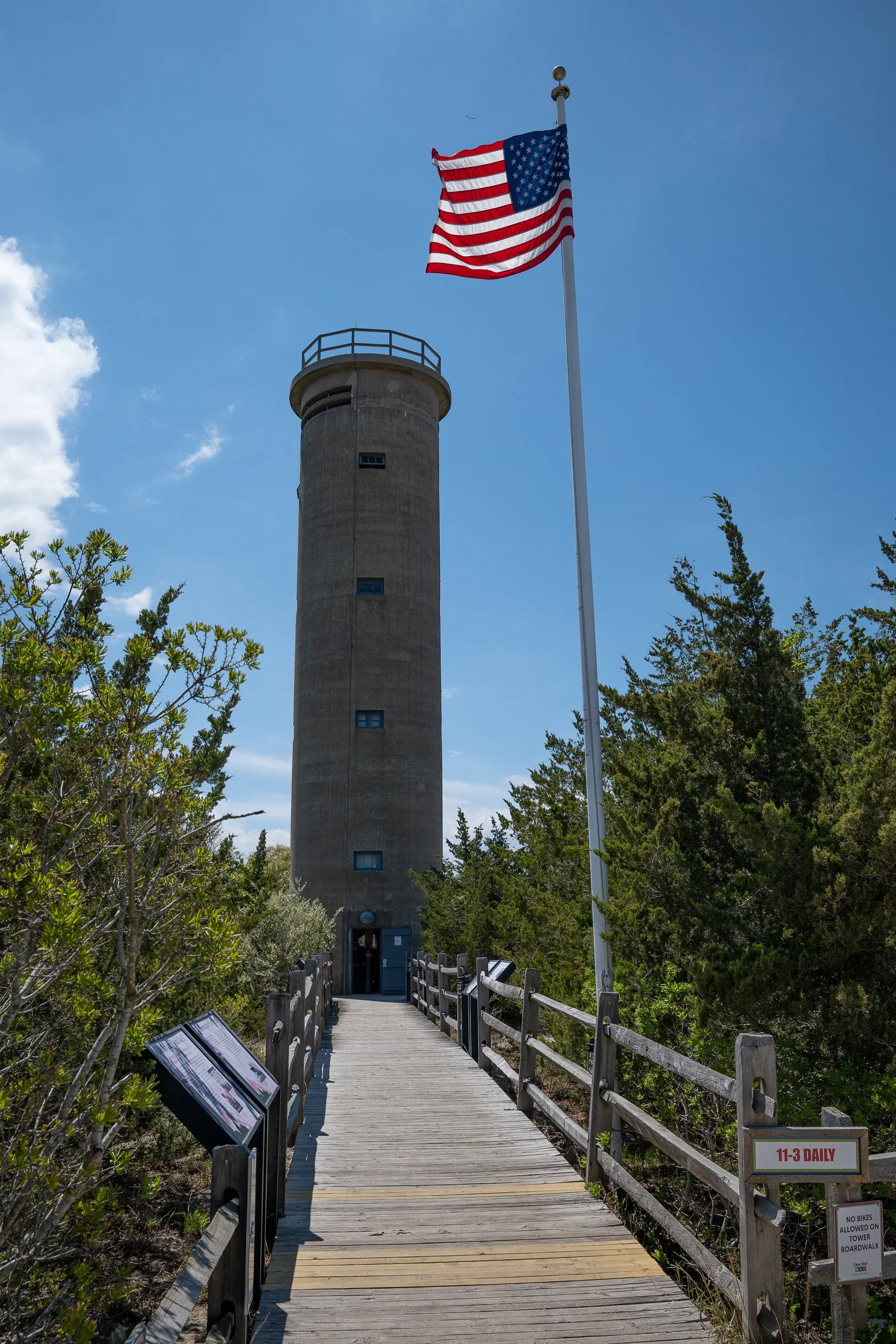
Next on our journey was whale watching. We didn’t see any whales, but did see some dolphins. The Atlantic Ocean was a little upset that day, and the boat was rocking…lol. It’s hard to be on the beach at Cape May and not see the 157-foot-tall lighthouse. The lighthouse was built in 1859 and has 199 steps to the top. It was enjoyable climbing all those steps to the top, where we were greeted with a wonderful view of the ocean and city. Another lighthouse we saw was the East Point Lighthouse. This lighthouse was built in 1849 and is New Jersey’s second-oldest lighthouse. If you enjoy learning about WWII history, Battery Bunker 223 is another great spot to visit. This structure is huge, a seven-foot-thick concrete coastal defense bunker built in the 1940s. It's a rare, large-scale piece of U.S. WWII history that you can easily see and explore, with interpretive signs explaining its role during the war. Just think of how many German subs were spotted from this tower.
Back to Fort Lauderdale
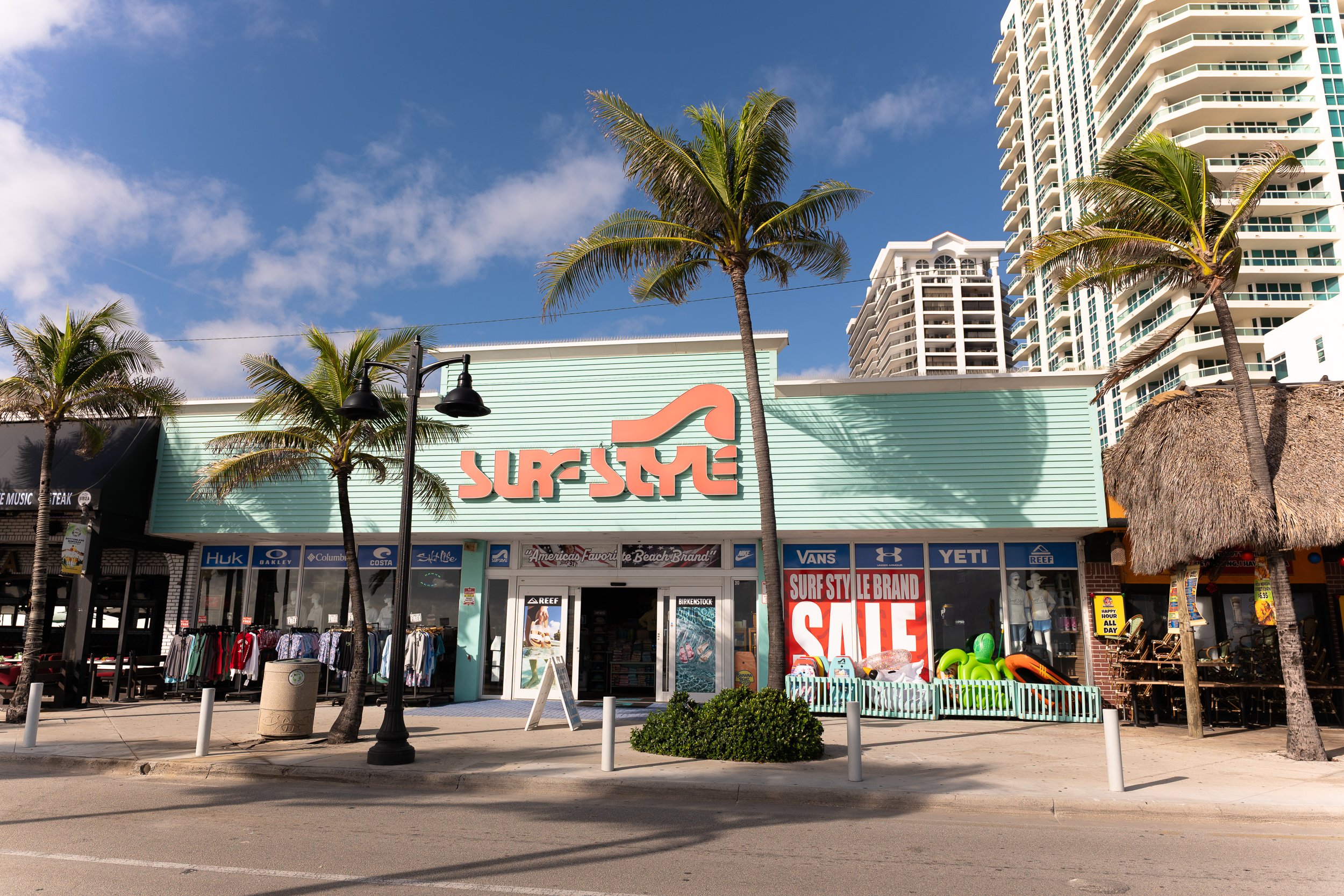
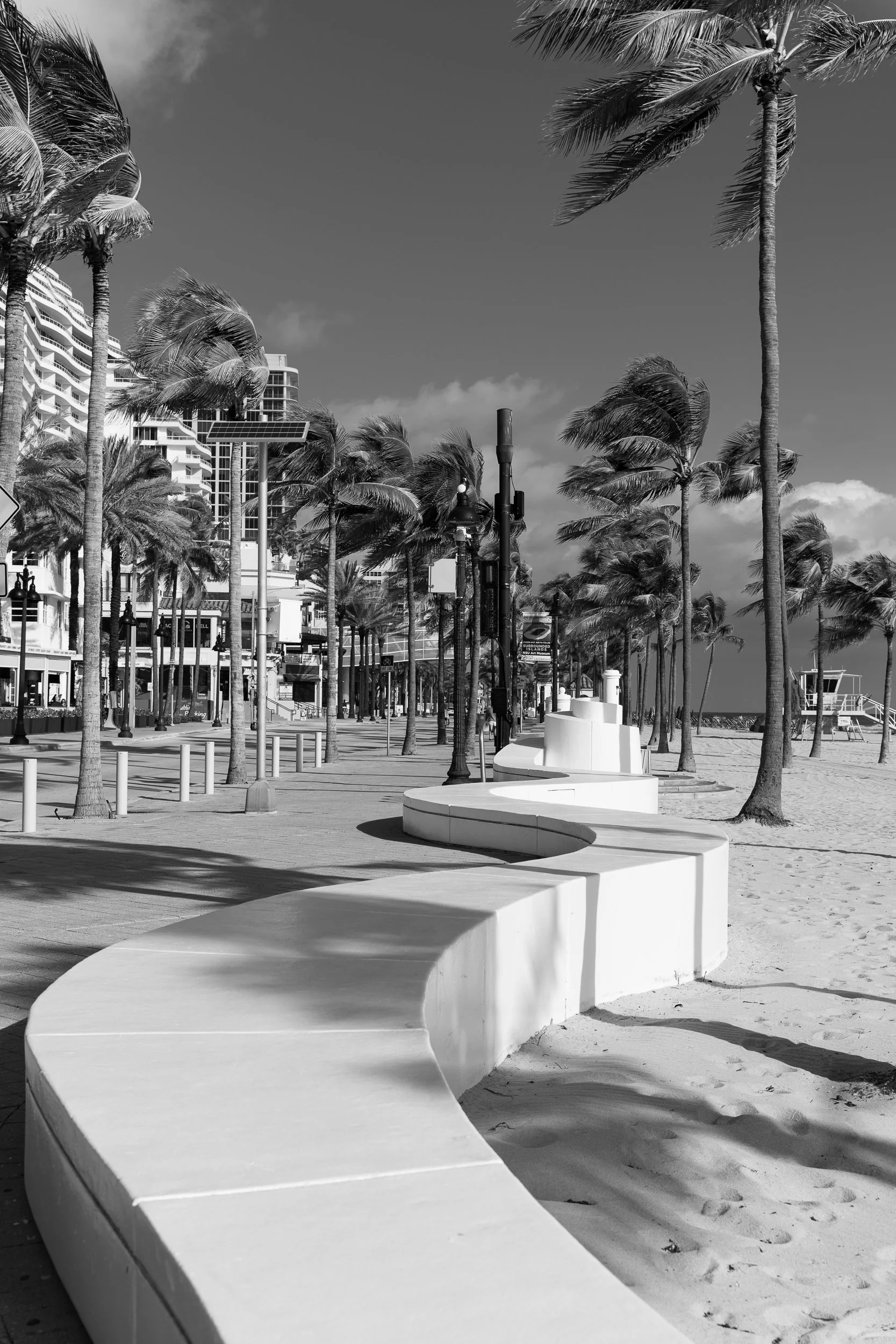
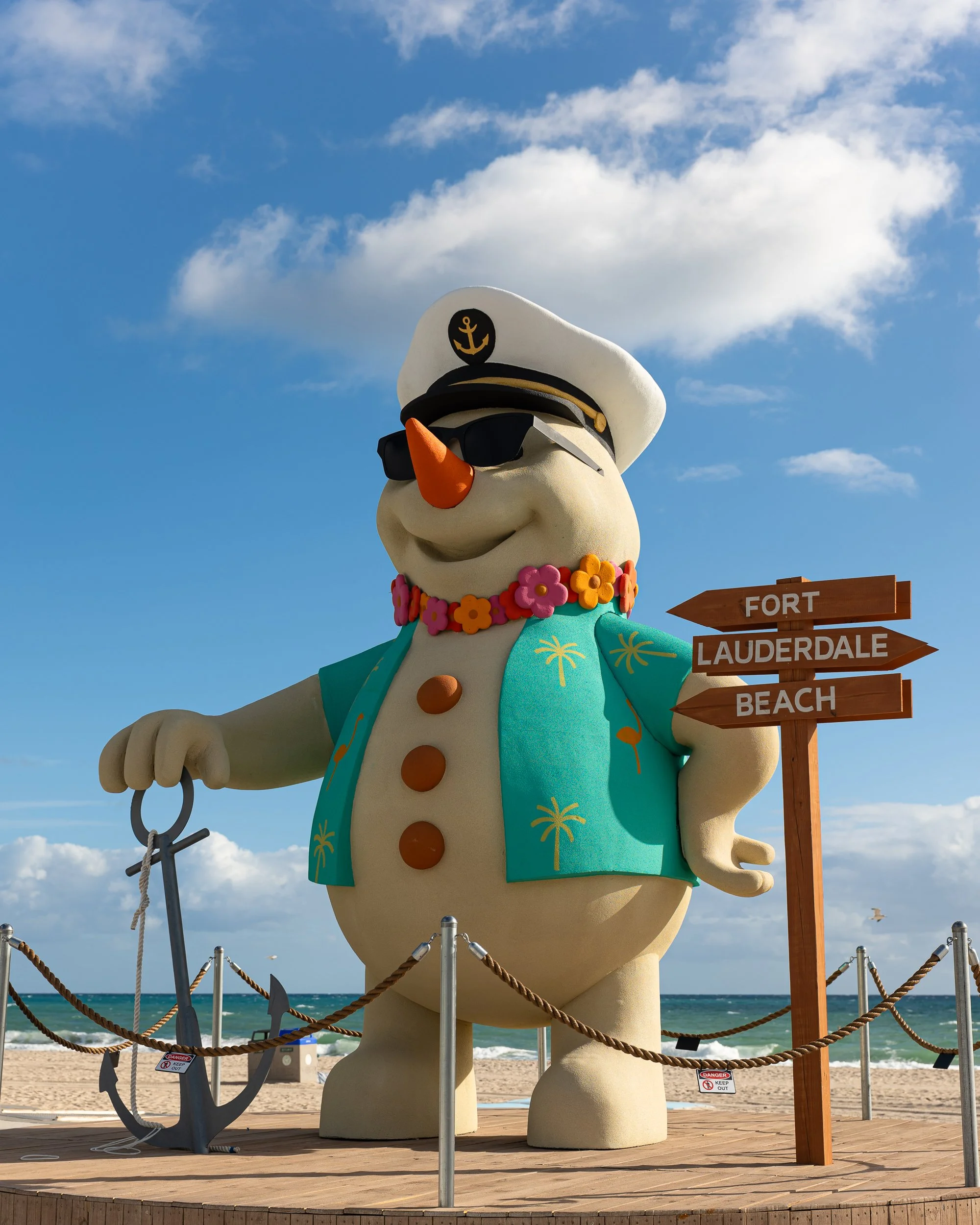
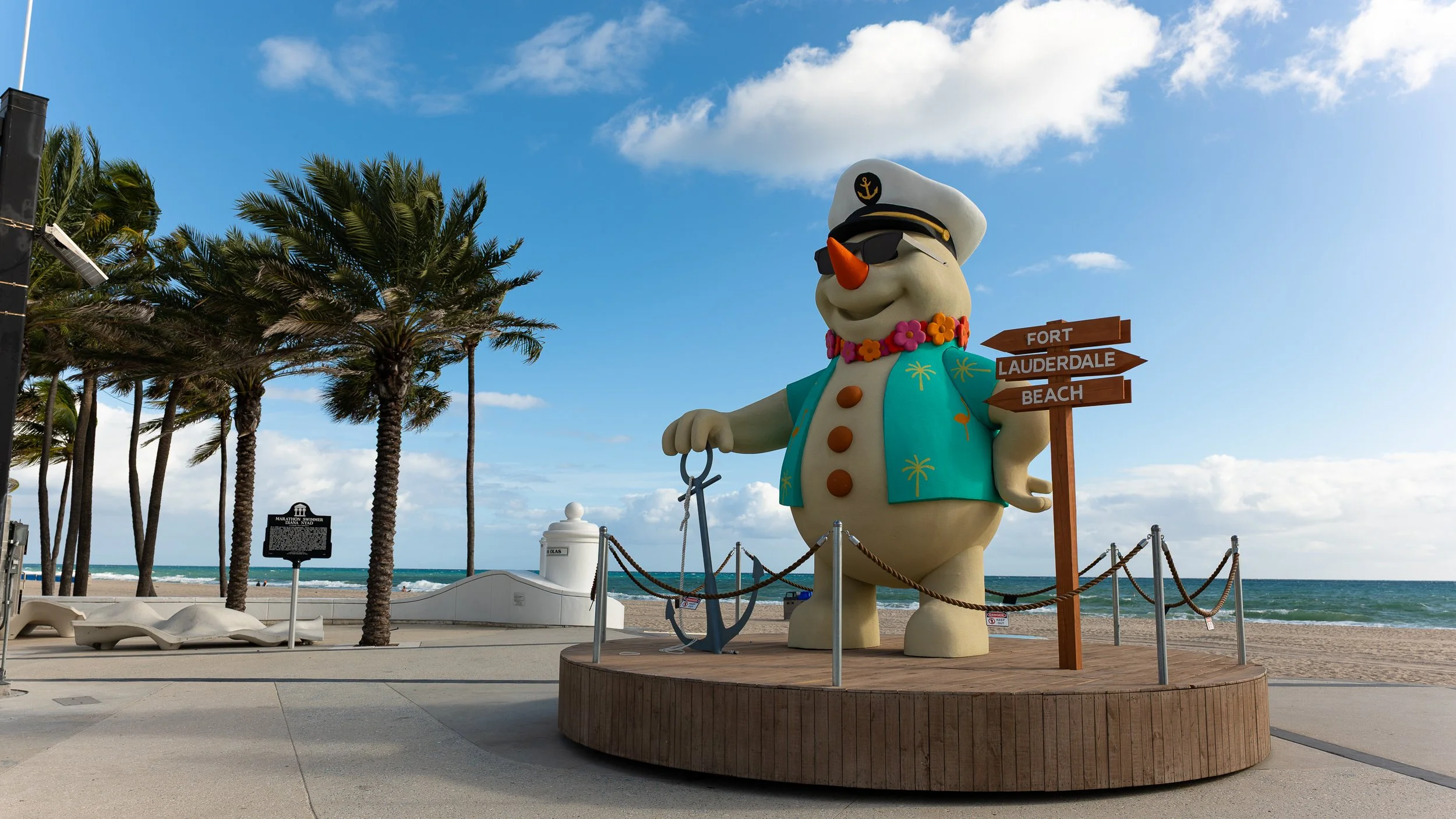
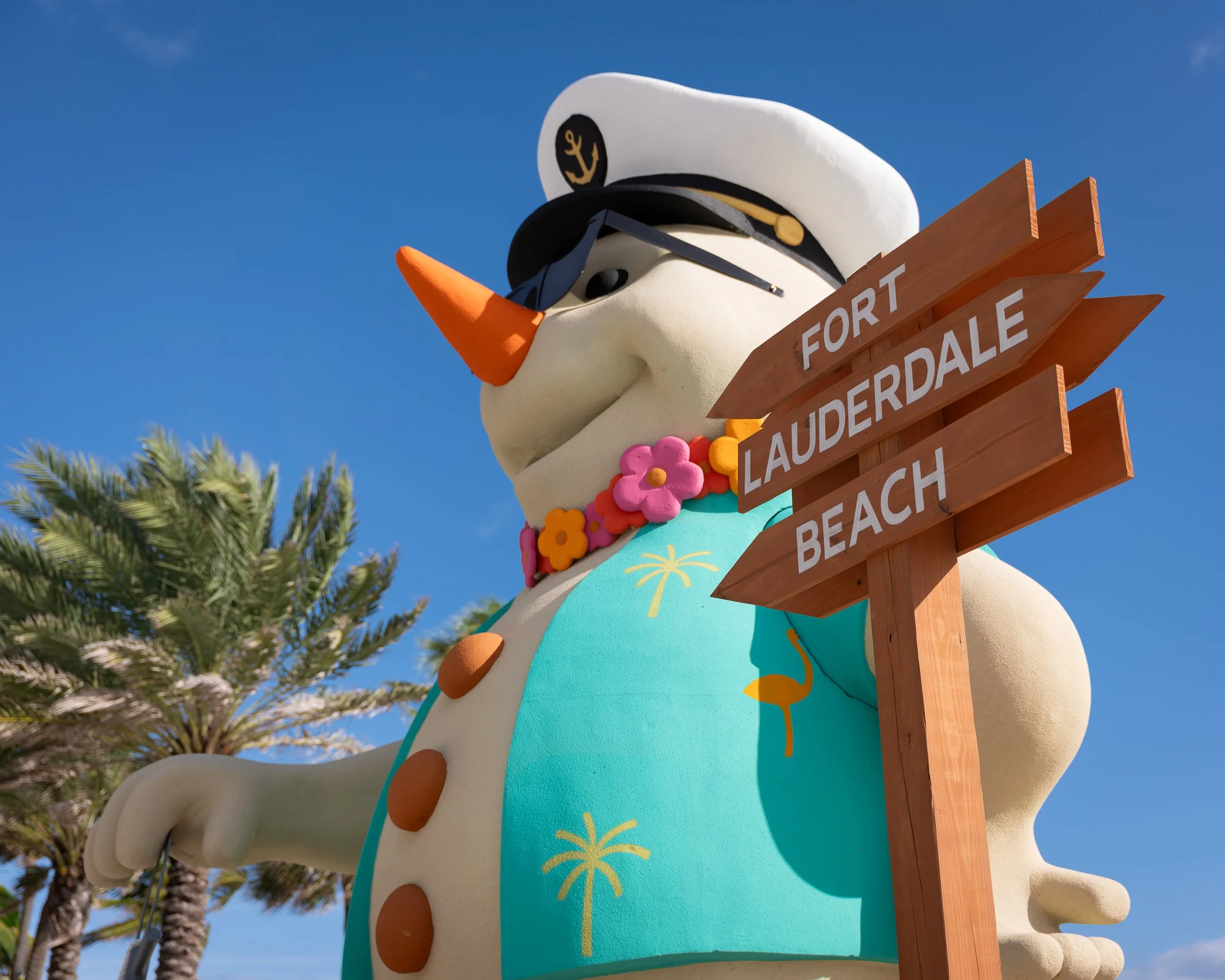
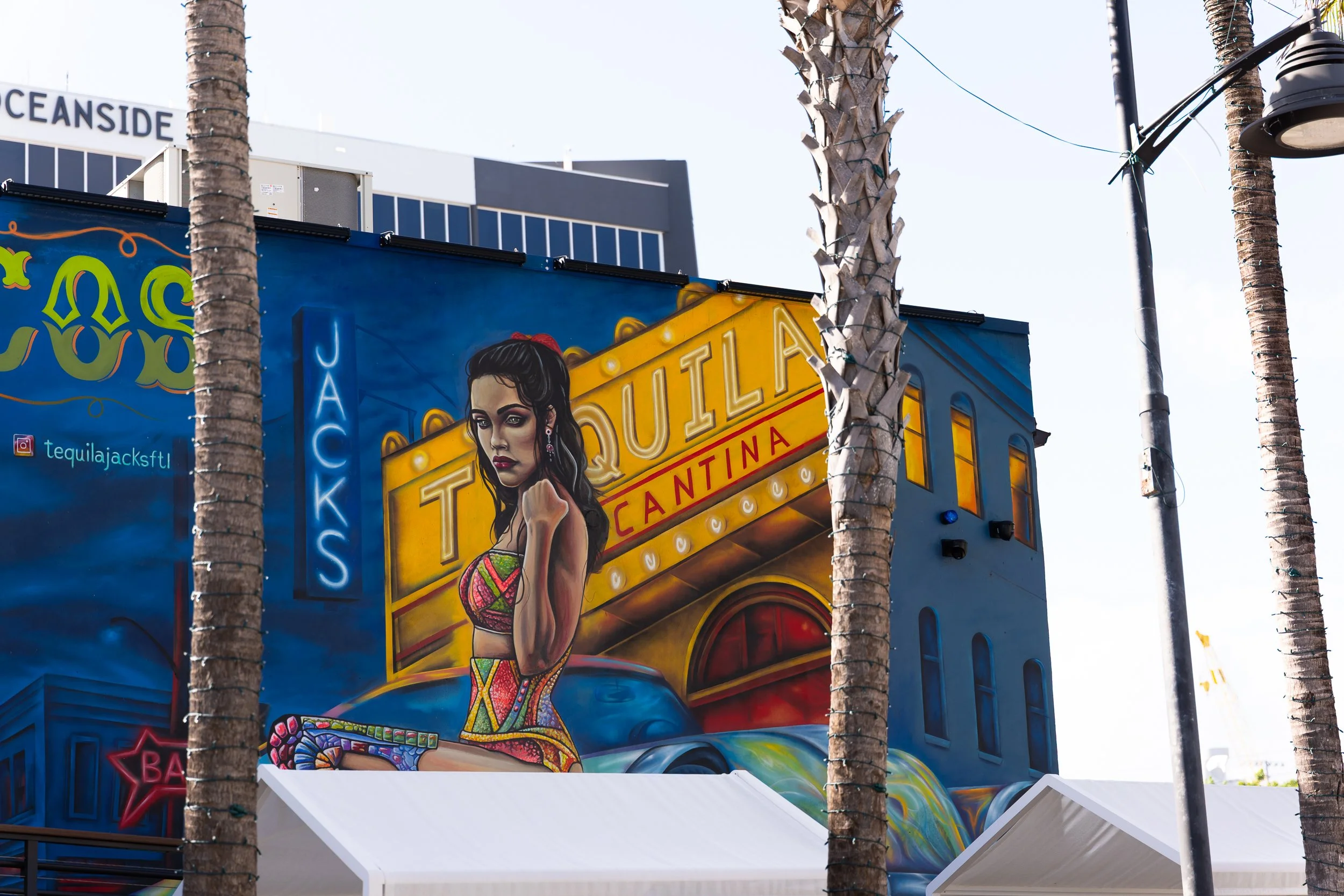
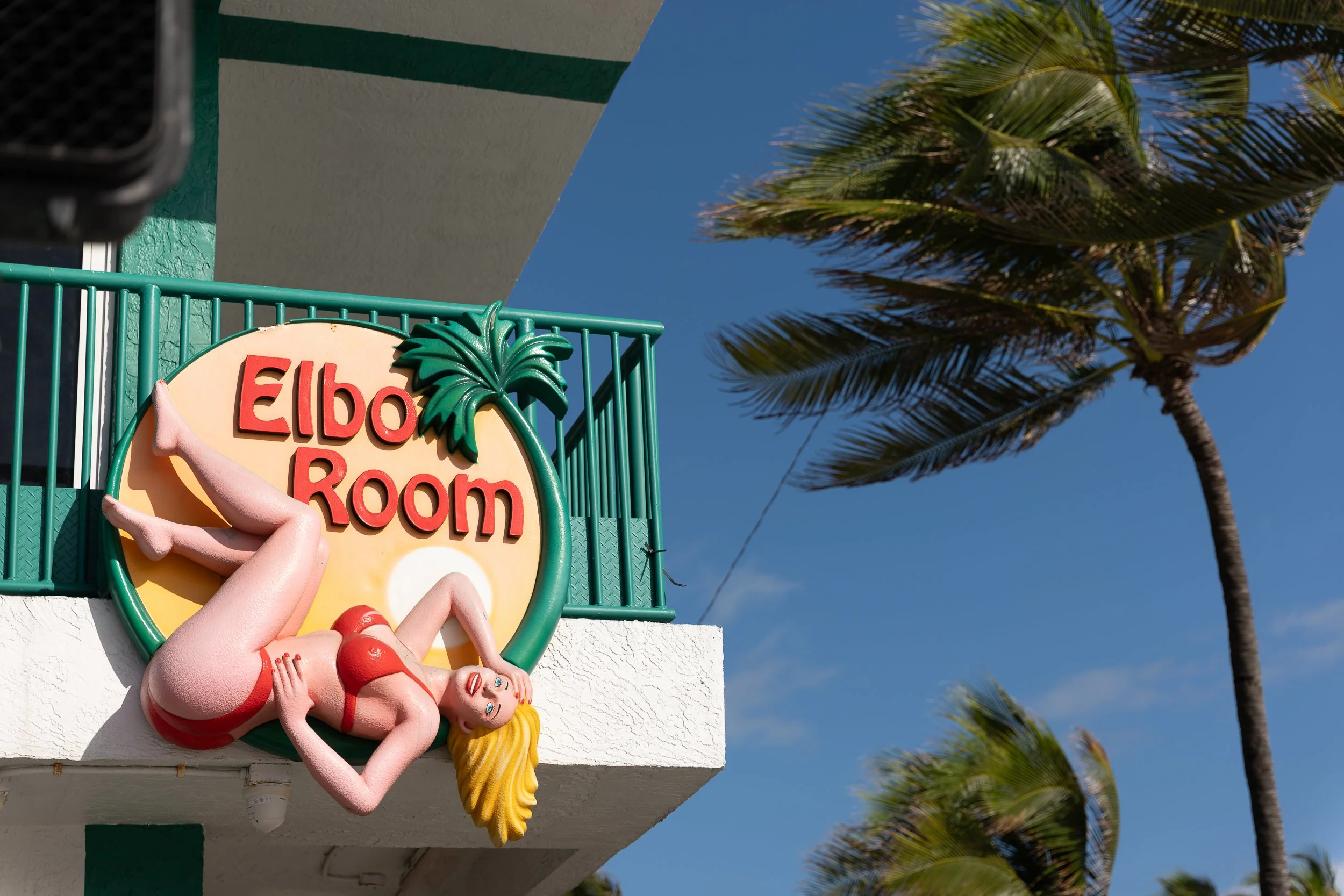
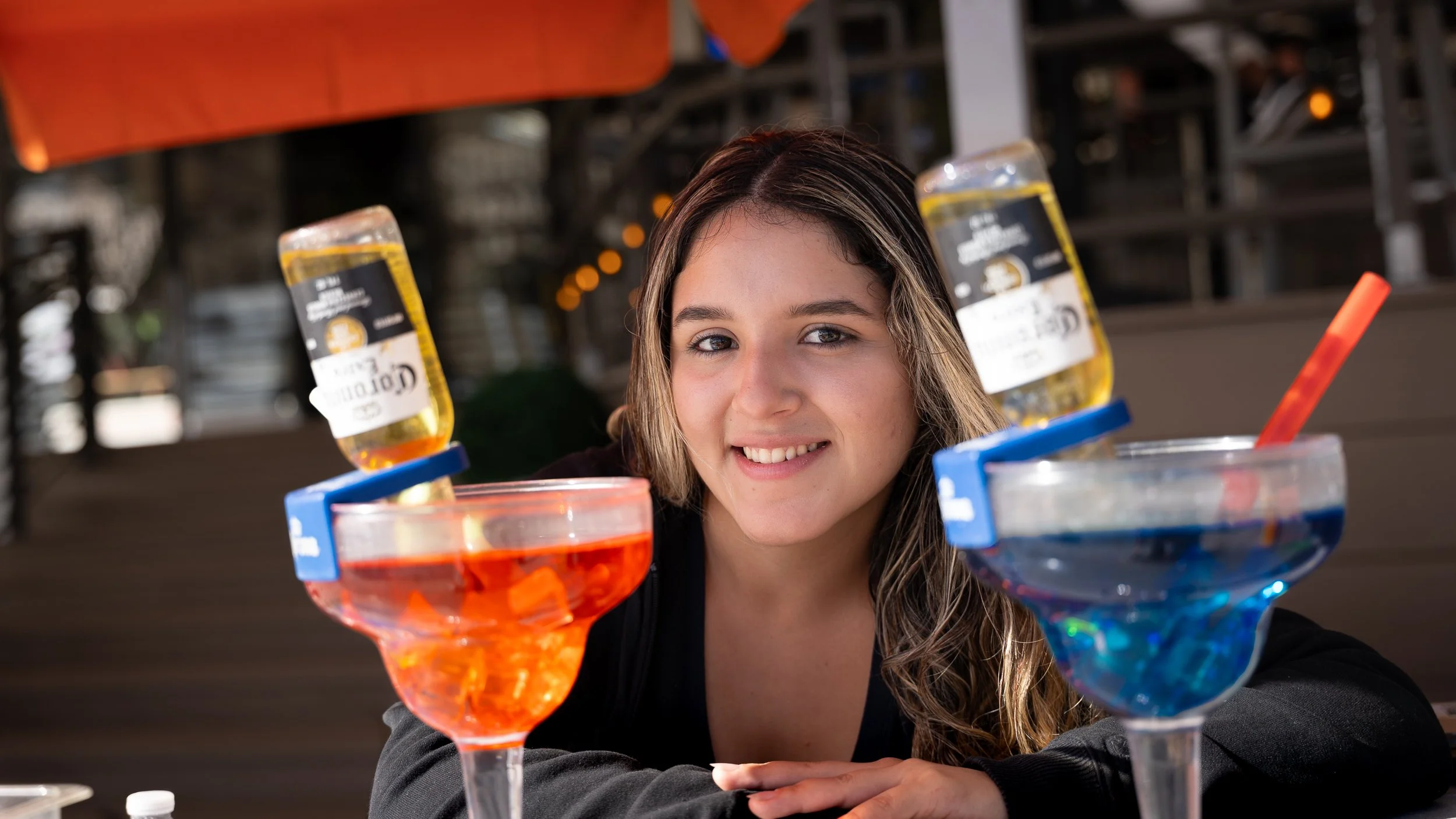
I realized that I didn’t have any shots of the Sigma lens mounted to either of my camera bodies, so I decided to do some street photography around Fort Lauderdale Beach. You can see my Leica SL2-S with the Sigma lens attached in the image above. It’s a very nice compact setup. Using this lens is a pleasure. Auto-focus is quick and accurate on either the Leica or Lumix cameras, and the zoom is smooth with just the right amount of drag. I do enjoy using the aperture ring, which gives it an old-school camera feel. Below are some more images of the urban beach area. You don’t think of a snowman when you think of sunny Fort Lauderdale Beach. Every year for the holidays, Fort Lauderdale displays a giant 20’ snowman, which is different every year. This year, ‘Olas’ the snowman was themed as a cruising sailor. Historic A1A, the scenic coastal road, was pretty empty on my visit, but I was able to photograph some colorful shots of buildings, murals, and signs. The last image is an environmental portrait of a hostess at a restaurant. This lens is sharp and produces excellent colors even in contrasty light. Click photos to enlarge.
Leofoto
One of the great accessories I keep in my camera bag is the Leofoto MT-03 Mini Tripod +LH-25 Mini Ball Head. I used to place my camera on the ground, wedged in a tree fork, or even on the closest trash can. I never carry my full-sized tripod with me when I am not actually working. I like to street walk as lightly as possible. That’s why this mini tripod is great. It is very compact and light. It saves my camera and lens from being placed on the ground or even the trash can.
Specs for the Leofoto MT-03 Mini Tripod +LH-25 Mini Ball Head:
Folded height: 212mm/ 8.34in
Min height: 99mm/ 3.89in
Max height: 249mm/ 9.8in
Weight: 340g/ 0.75lb
Max. load: 5kg/ 11lb
Locked Angles : 35° / 55° / 85°
Conclusion
Earlier, I asked a question: Does this lens deliver? The Sigma Art 24–70mm f/2.8 DG DN II lens proves itself as a standout choice among other brands. This lens is an easy recommendation for both working professionals and traveling photographers. It’s solid, well-engineered build quality inspires confidence in demanding conditions, and the dust and splash-resistant design adds welcome durability for outdoor work. Optically, it delivers excellent sharpness, contrast, and overall image quality throughout the zoom range, making it a dependable choice for virtually any assignment. Despite its rugged construction, the lens remains impressively lightweight, an advantage you’ll appreciate on long shooting days or when packing light for travel. Altogether, it’s a versatile, high-performance zoom that feels perfectly at home on any L-mount camera. So, yes, it does deliver.